Orange, Milford
Panel Replacement for Orange's 1960s Garage Stock
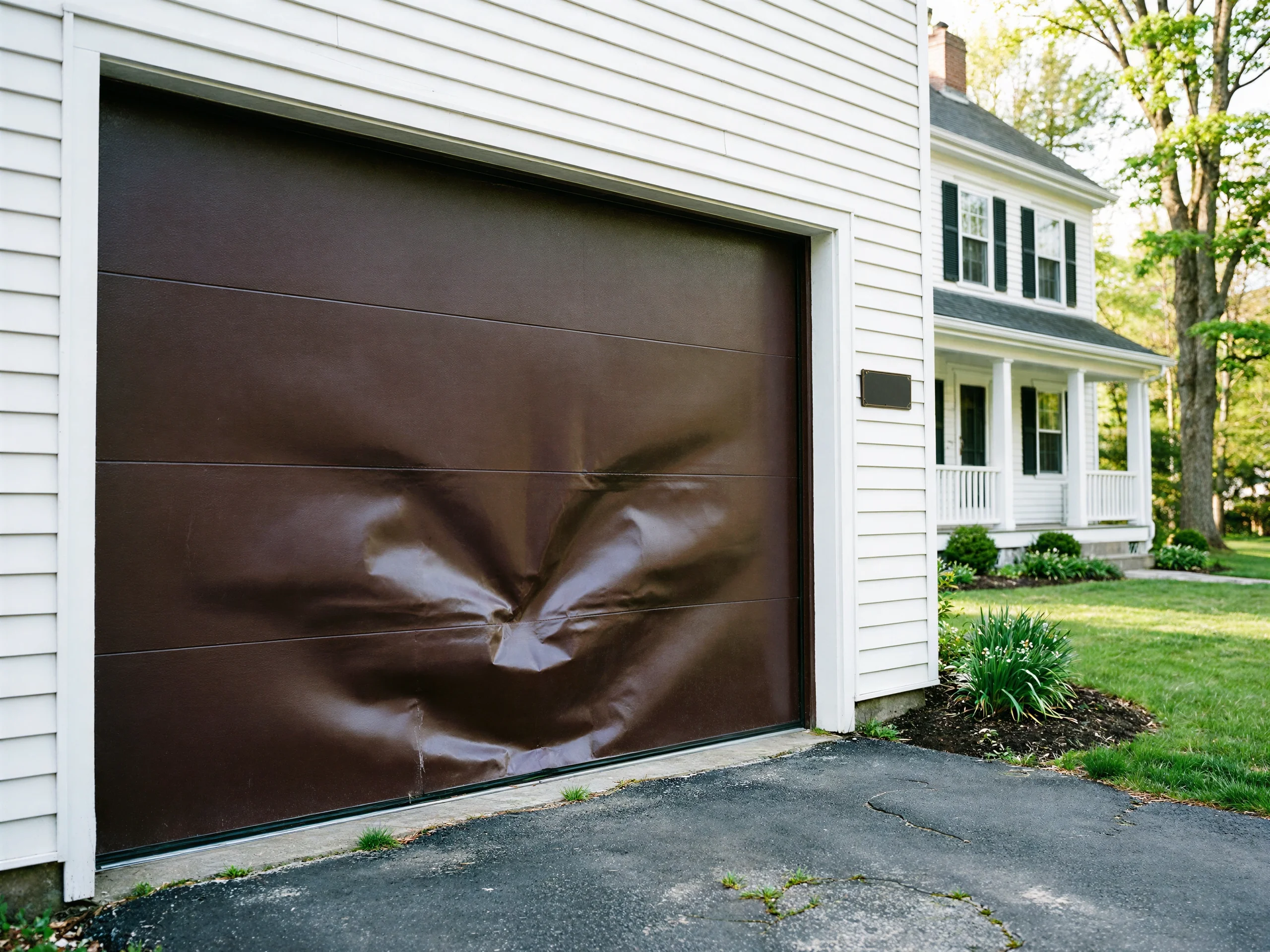
Most Orange garages went up around 1963, and the panel hardware is often original. We match sections and replace what's failed from our Milford shop, 5 miles out.
Why It Happens Here
Walk into most garages in Orange and you're looking at a door that's never had a panel swapped, because the house itself dates to around 1963 - right in the middle of the 1954 to 1986 build window that covers this whole service area. That means the steel or fiberglass panel facing you today is likely the one that shipped with the house. Fifty-plus winters of expansion and contraction in a cold-climate band like this one work on the seams first. The bottom panel takes the brunt of it - road salt thrown up by tires, snow piled against the door, the repeated freeze-thaw that works a dent into a crack. Garages built in this era also tend to have narrower panel sections than what's sold today, so when one section finally splits or buckles, you're not just swapping a part, you're matching a profile. Orange's housing stock sits a little higher in income than some of the surrounding towns - median household income here runs $145,625 - and that often means owners replace a panel before it becomes a safety issue, rather than living with a bent one for years. Still, the underlying hardware problem is the same one you'd find in any neighborhood built in that stretch: original steel that's thinner than current stock and fasteners that don't match anything on the shelf.</br></br>None of that is unique to one house - it's a function of when the neighborhood was built.
Stocked Parts
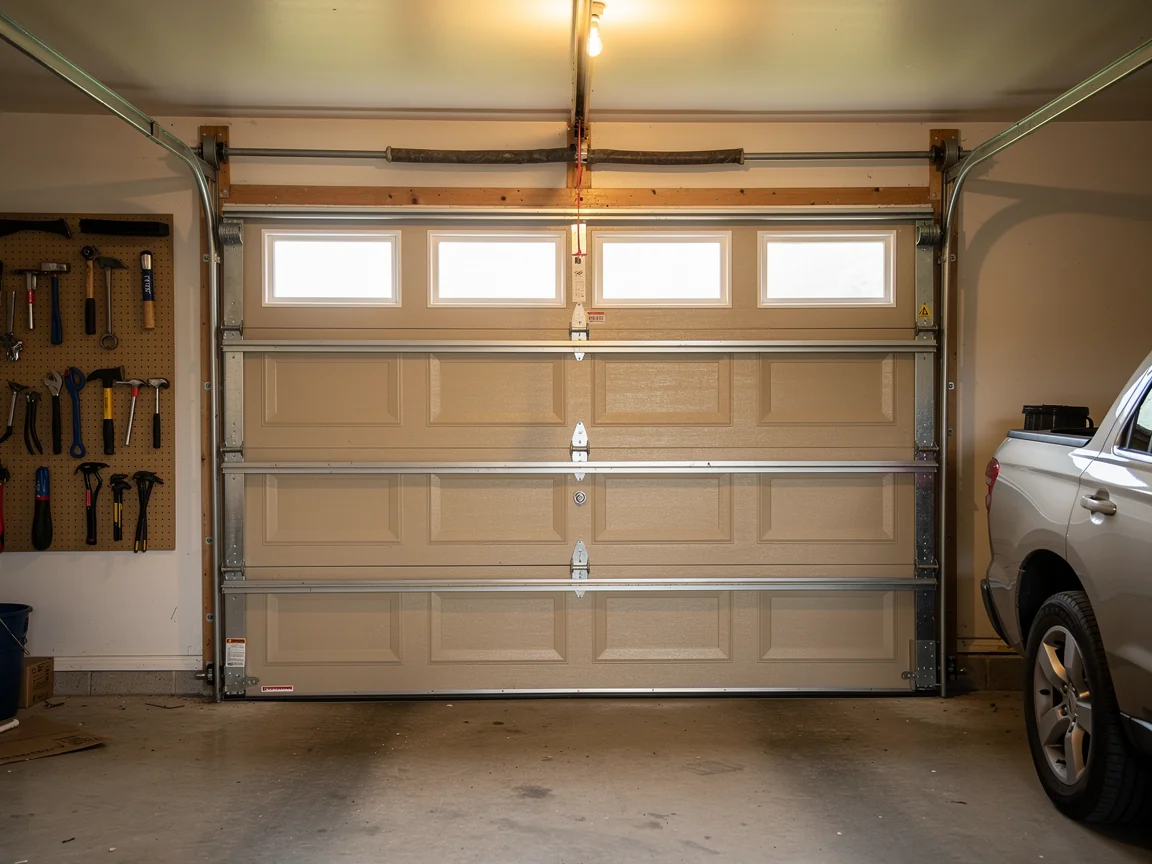
We carry standard-width steel panel sections in the sizes that match 1960s and '70s door tracks, which covers the bulk of what's on Orange garages. Where we run into trouble is custom or oversized panel widths that some builders used in this era for wider two-car openings - those sometimes need a special order, and we'll tell you up front if that's the case rather than make you wait on a truck roll to find out. Standard hinges, end stiles, and strut reinforcement we keep on hand because they fail at the same rate as the panels themselves. What we don't stock is cosmetic trim for doors that were already discontinued decades ago - if your door has a decorative overlay from that period, matching it exactly may not be possible, and we'll say so instead of guessing.
What the Fix Involves
First step is matching the section - width, rib pattern, and gauge - against what's still good on the rest of the door, because a mismatched panel is obvious from the street and doesn't seal the same way.
Outdated track complicates seating
On original 1960s-era doors we usually find the track and rollers are still factory, which means the new panel has to seat into hardware that's outdated, not just old.
New hinges on replacement
We pull the damaged section, check the adjoining panels and hinges for stress cracks (common once one section's gone soft), and set the replacement with new hinges rather than reusing ones that have been flexing for fifty years.
Weatherseal track check
If the bottom panel is the one that failed - which it usually is - we also check the weatherseal track, since cold-climate freeze cycles tend to take that out around the same time.
How Long It Takes
A single standard panel swap on a door with intact original hardware is usually a same-visit job once the part is in hand. The variable is sourcing: if your door needs a non-standard width that we don't carry on the truck, that adds lead time waiting on the part, not labor time on site. We'll know which situation you're in after we look at the door, not before.
Can You Do This Yourself
Swapping a single panel on a sectional door is within reach for someone comfortable with a drill and a ladder, provided the door is otherwise sound - the hinges aren't stripped, the track isn't bent, and you can source the exact matching section.
Older fastener mismatch
Where this goes wrong is on older doors: the fastener spacing and panel gauge from a 1960s or '70s door often doesn't match a panel bought off a shelf today, and forcing a mismatched section into place puts uneven load on the opener and the rest of the panels.
Fit check before ordering
If your garage is original to a house built in that era, that mismatch risk is real enough that most owners have us check fit before ordering the part themselves.
What You Pay
We don't have a flat number to quote without seeing the door - panel cost depends on whether your width is standard stock or special order, and we're not going to post a price range that doesn't hold up once a tech is standing in your driveway in Orange. What we can tell you is the job travels from our Milford shop, about 5 miles out, so there's no separate dispatch fee tacked on for distance. Ask for a quote once we've looked at the panel in person.
Questions
Common questions
Is my panel original if my house was built in the early 1960s?
Very likely, if it's never been replaced. Orange's housing stock runs mostly from the 1954-1986 window with a median build year right around 1963, and panel replacement wasn't common maintenance back then. Unless a prior owner mentioned a repair, assume the hardware and panel gauge are original to the house.
Will a new panel match my old one exactly?
If your door uses a standard-width section, yes, we can match rib pattern and gauge closely. If it's a non-standard width common on some 1960s-era wider openings, we may need to special-order, and we'll tell you that before ordering anything.
Do you have a shop in Orange?
No. We're based in Milford, about 5 miles away, and we travel to Orange for panel jobs. There's no local branch here, just the truck coming out.
Why does the bottom panel fail first?
It takes the most direct hit from road salt, snow piled against the door, and the repeated freeze-thaw cycles typical of a cold-climate winter here. Combined with fifty-plus years of hardware that's never been swapped, the bottom section is usually the first to crack or buckle.
Explore more
More Services in Orange
Cable Repair
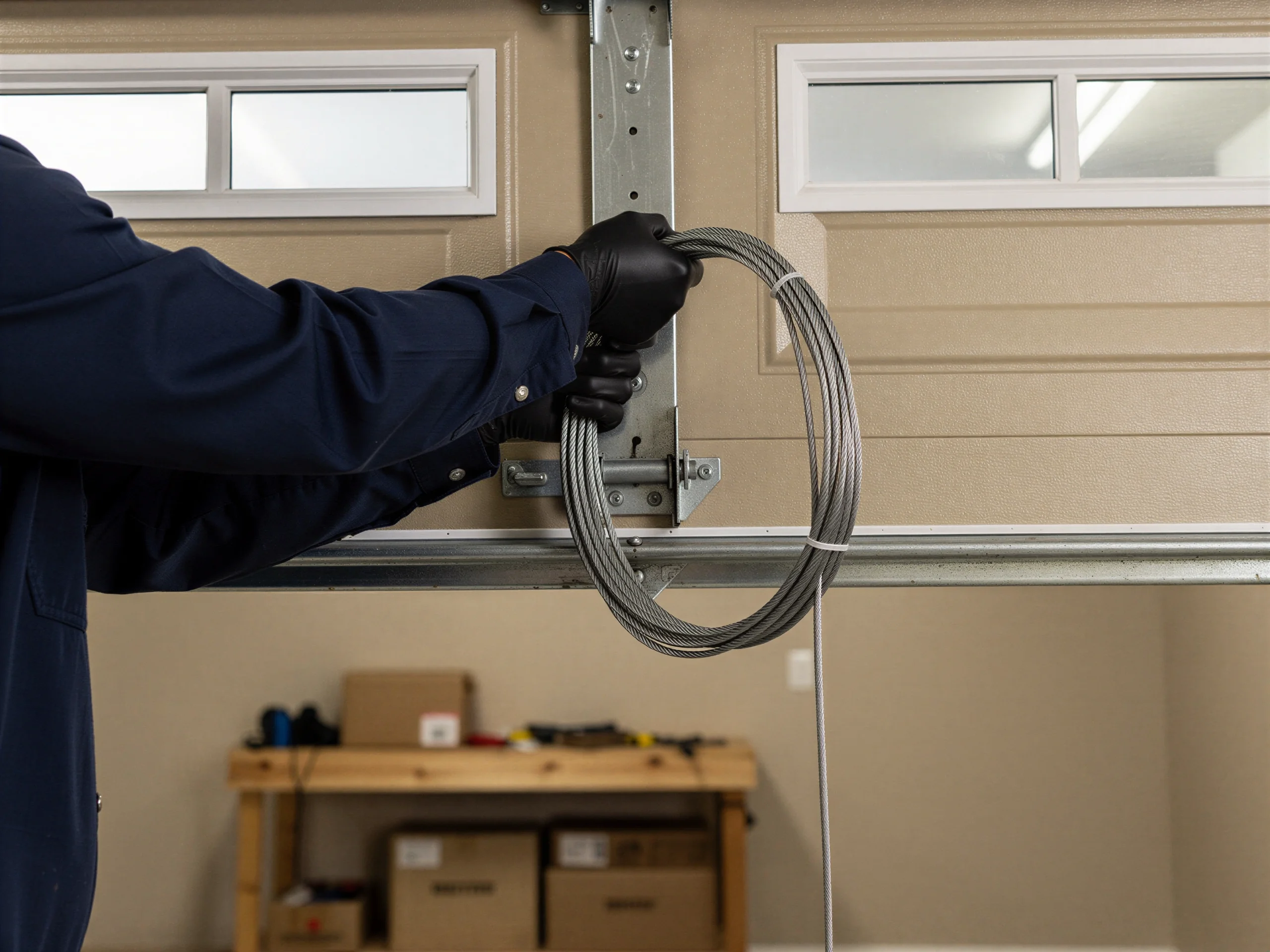
Cable repair for Orange, CT homes built around 1963, served from our Milford shop 5 miles away. Learn more →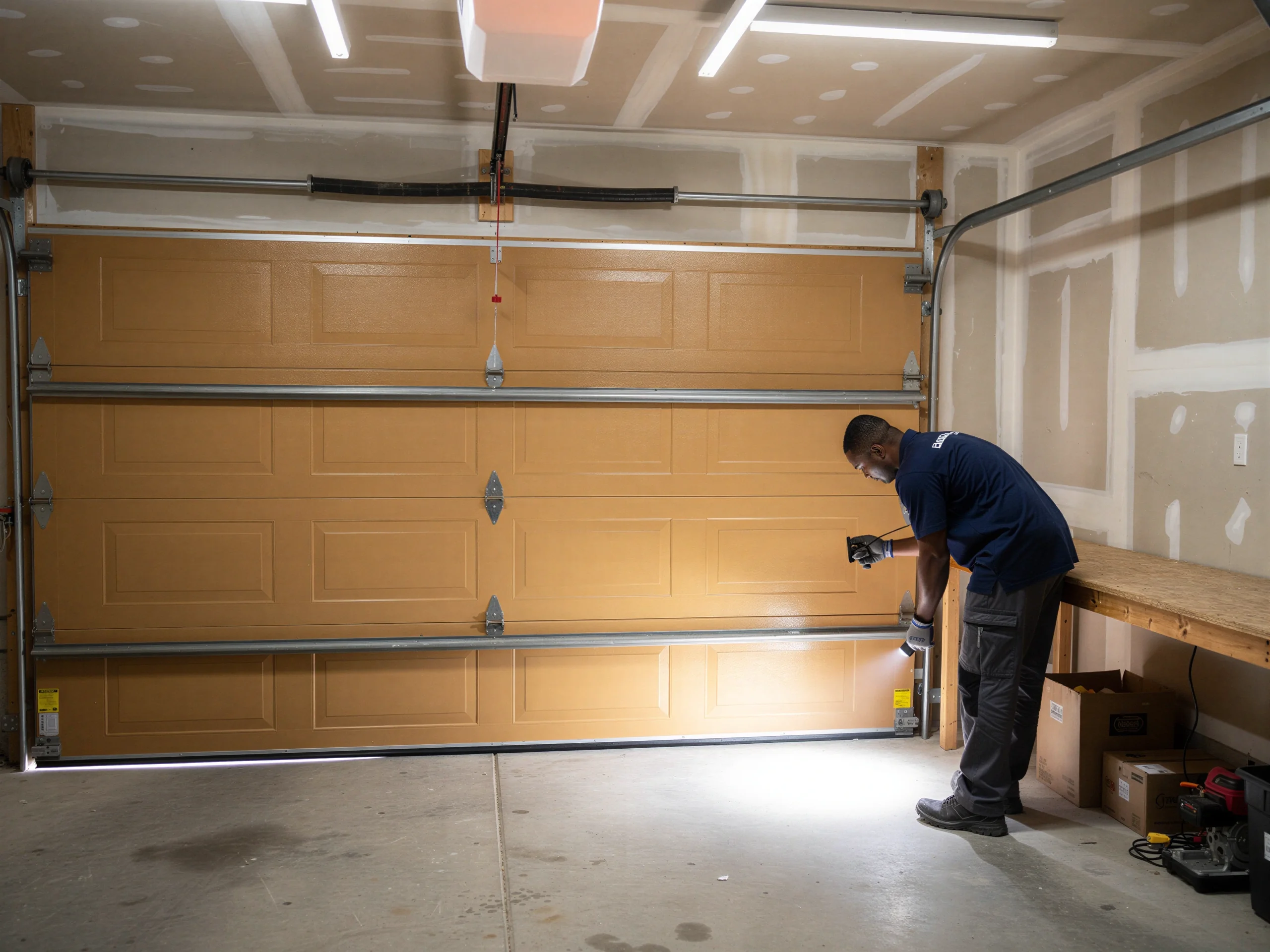
Garage Door Repair
Orange homes date mostly to 1963, with steel doors on side-mounted torsion springs that wear out in Connecticut winters. Learn more →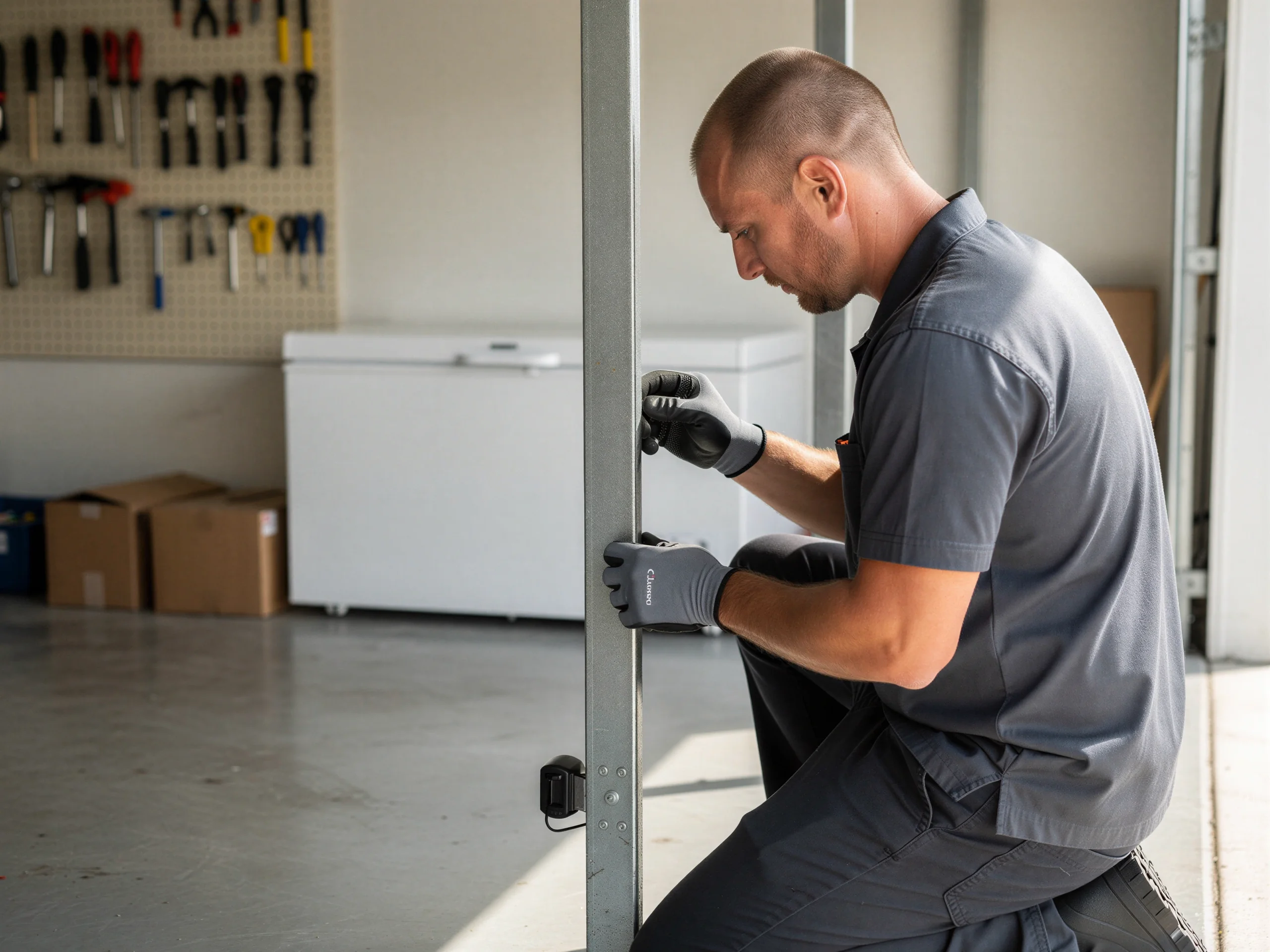
Garage Door Service
Orange homes went up around 1963, mostly with extension-spring doors on horizontal track. Learn more →
Maintenance
Orange, CT homes built around 1963 are reaching the age where springs and openers need real upkeep, not just a squirt of oil. Learn more →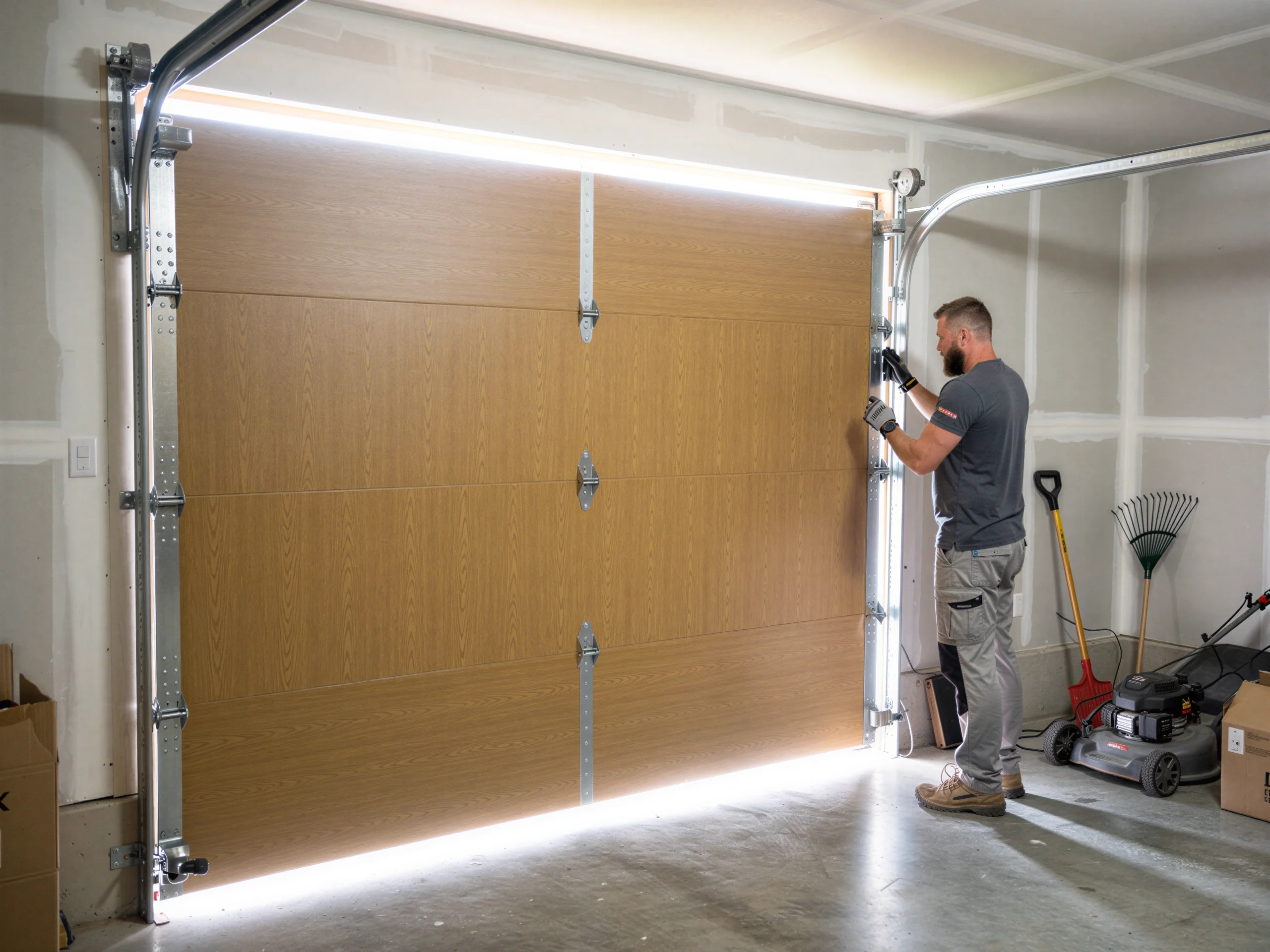
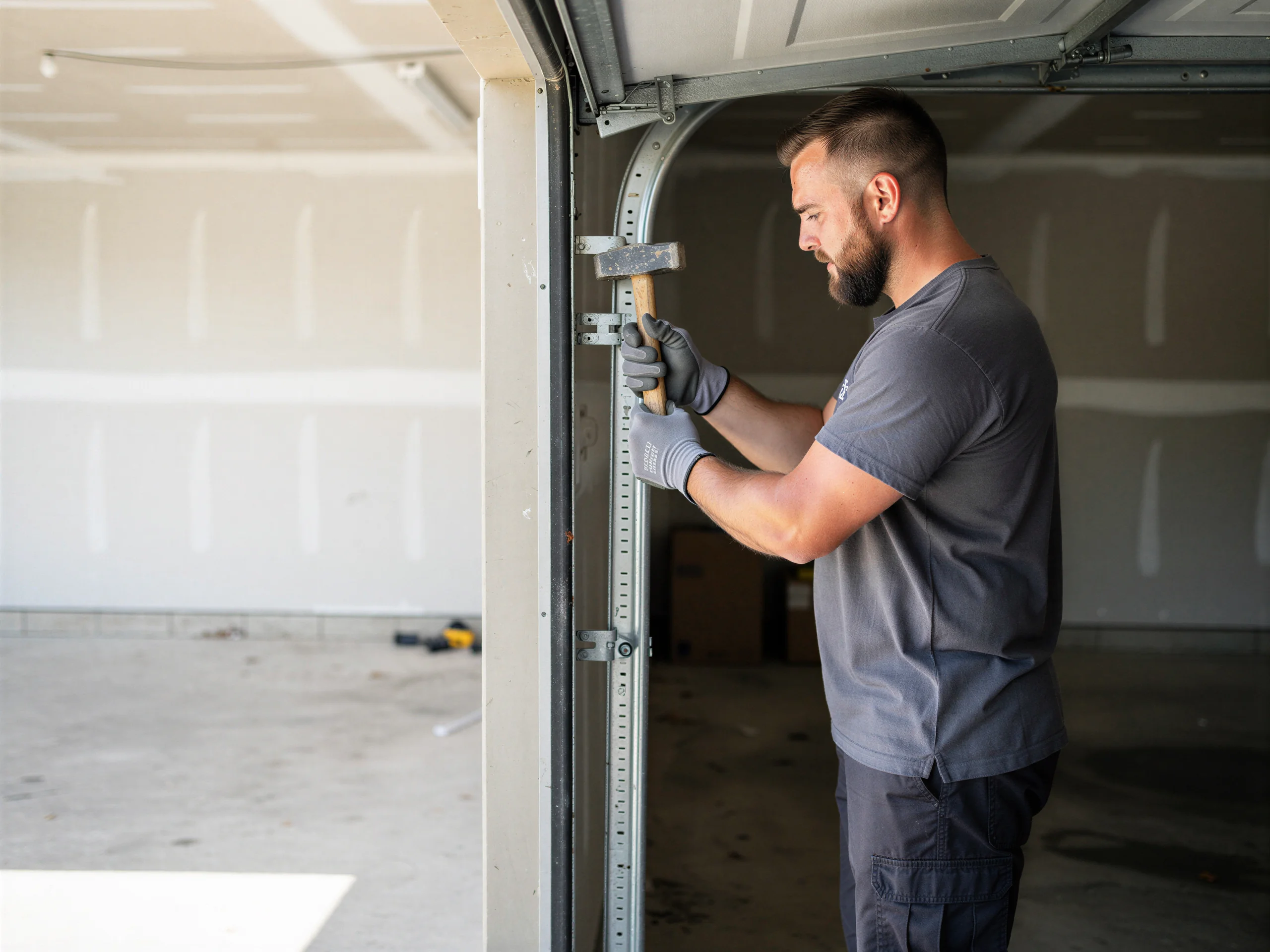
Off Track Repair
Orange homes date to 1963, earlier than the wider Milford service area's 1971 median. Learn more →
Ready when you are
Cracked or dented door panel in Orange?
Milford Garage Door Pros repairs and installs garage doors, springs and openers in Milford, CT and the surrounding area.