
Milford, CT
Garage Door Off Track: Why It Happens So Often in Milford
A garage door that's jumped its track is common in Milford's older housing stock. Here's why it happens, what it complicates, and what the repair involves.
The Symptom
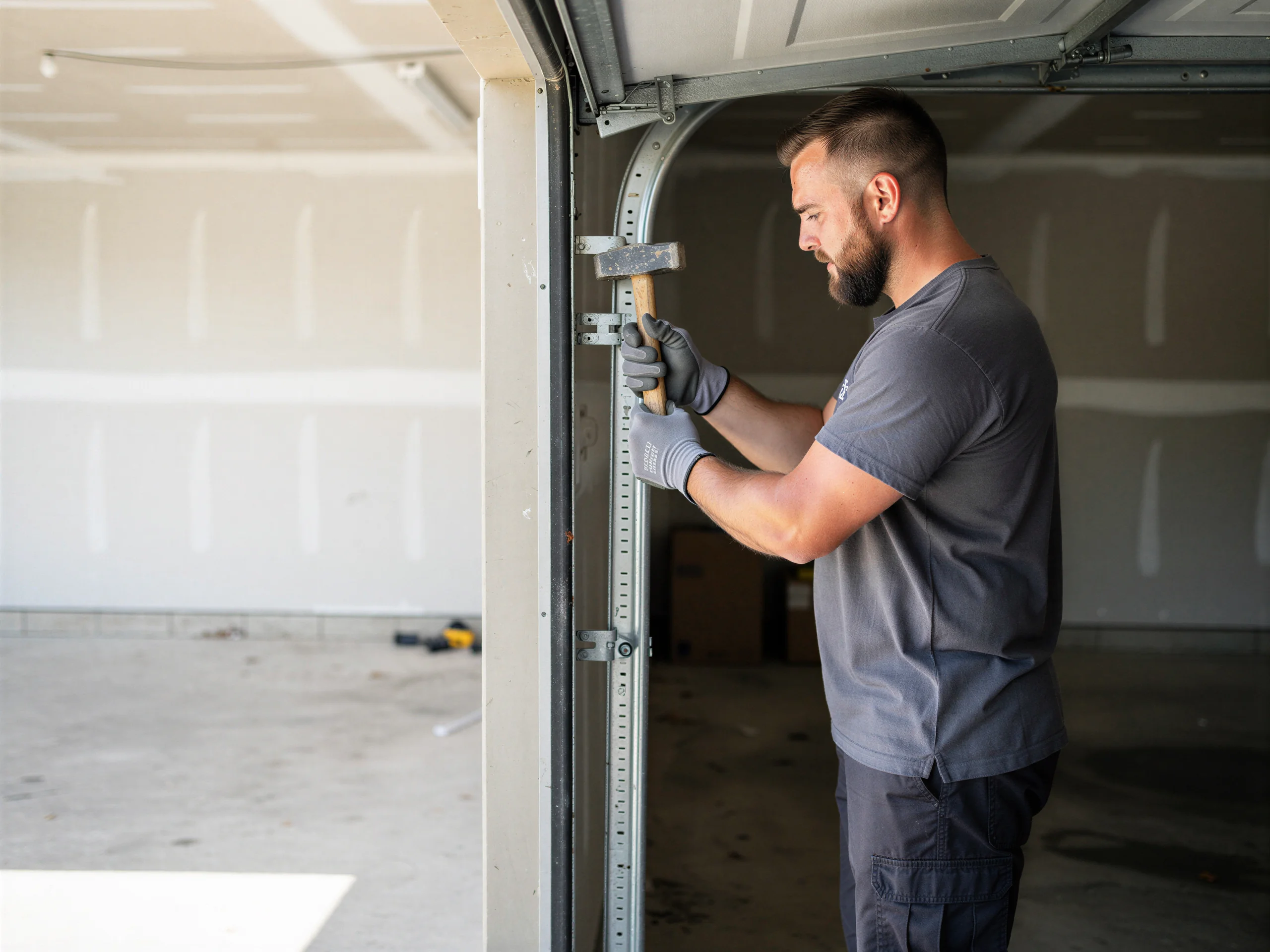
The door won't budge, or it moves a few inches and stops dead. Sometimes you can see it: a roller sitting outside the track instead of inside it, a panel that's bowed or buckled at one corner, a cable gone slack and dangling.
Grinding without movement
Other times the only clue is the sound - a grinding or popping when the opener tries to pull the door up, followed by nothing. An off-track door is not the same as a door that just won't open.
Stop hitting the remote
If the opener runs but the door doesn't move, or moves crooked and jams, that's usually a roller that's left the track or a track section that's bent or pulled away from the wall. Do not keep hitting the remote.
Forcing jammed track
Running the opener against a jammed track can bend the track further, tear the bottom bracket loose, or snap a cable under load - turning a fifteen-minute fix into a parts job. If the door is partway open and stuck, leave it. A door caught off track can drop without warning, and the springs holding it up are under real tension even when the door looks still.
Why It Happens Here
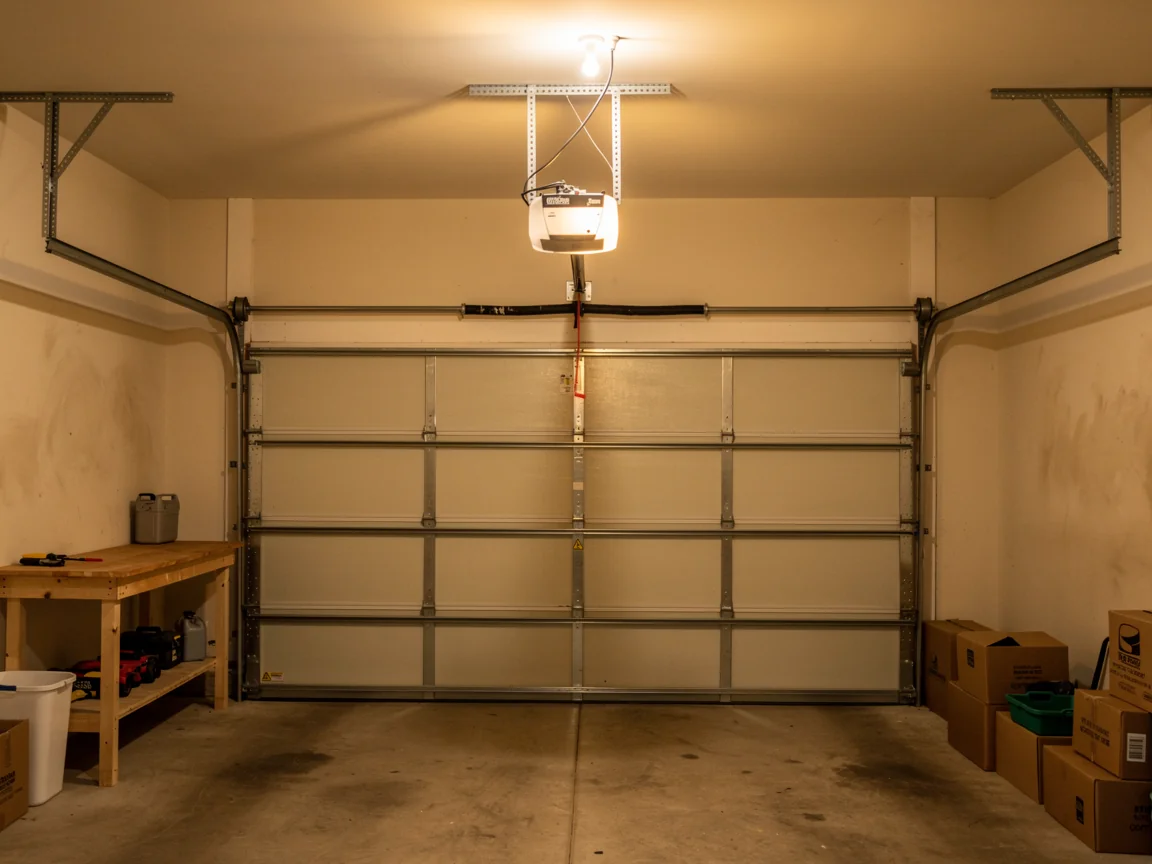
Most of the housing across this service area went up between 1954 and 1986, with the bulk of it built in the 1960s and '70s. That matters for this specific problem because tracks on doors from that era are often original or close to it - steel that's thinner than what's sold today, mounted with brackets and hardware that have had fifty-plus years to loosen, rust, or shift slightly out of square. A track that's even a quarter-inch out of plumb will walk a roller off its rail eventually, especially under repeated daily use.
The climate does the rest. This area sits in a cold, severe winter band, and that means repeated freeze-thaw cycles every winter. Water gets into bolt holes and mounting brackets, freezes, expands, and loosens the hardware holding the track to the jamb. Combine that with a slab or driveway that's heaved slightly over the decades - common in houses this old - and you get a track that's no longer running true, even if nobody ever hit it with a car bumper.
This isn't a problem unique to one street or one subdivision. It shows up across the older neighborhoods throughout the region because the housing age and the winters are the same everywhere in it.
The Complications
An off-track door is rarely just the track. By the time a roller has jumped the rail, something usually caused it - a broken cable, a snapped spring, a bent bottom bracket from someone trying to force the door, or a track that's been slowly pulling away from a jamb for years.
Find cause before fixing
We have to find the actual cause before we touch the track itself, or the fix won't hold. On older homes in this area, we sometimes find the track is still original hardware paired with a replacement opener installed decades later - a mismatch that puts extra strain on brackets that were never rated for it.
Narrow jambs limit shimming
Houses from the 1960s and '70s stock common here also tend to have narrower jambs and tighter clearances than current builds, which limits how much we can shim or reposition a track without replacing the section outright. Here's the honest limit: if the track is bent in more than one place, or the door panel itself is bowed from the force of coming off the rail, straightening it is a short-term fix at best.
Bent tracks rarely straighten
A bent track rarely goes back to true, and forcing a bowed panel back into a rail just means it comes off again sooner. At that point replacement of the track, and sometimes the bottom panel, is the straighter path than patching it.
What You Pay
We don't post a flat number for this one because what you're paying for depends on what's actually wrong - a roller that popped loose on an otherwise sound track is a different job from a bent track that needs new sections and new brackets. We'll tell you which one you have and what it costs before we start any work, not after.
What we can tell you is what drives the cost: how many sections of track need replacing, whether the bottom brackets and rollers are damaged, and whether the cause (a broken spring or cable) needs fixing at the same time or the door will just come off again. On the older housing stock common across this area, we often find we're also replacing hardware that's original to the house, simply because it's outlived its service life, not because of the current incident.
Questions
Common questions
Can I push the door back onto the track myself?
We'd rather you didn't. The door is heavy and the springs are under tension even when nothing looks like it's moving. Forcing a roller back into a bent track can also make the bend worse or snap a cable. Leave the door where it is and call it in before you touch it.
Why did my door come off the track with no warning?
Usually there wasn't no warning - there were small signs beforehand: a slight grinding sound, the door running a little crooked, a roller that looked loose. On houses from the 1960s and '70s era common in this area, decades of freeze-thaw cycles loosen track hardware gradually until it finally lets go.
Is it the track or the opener that's broken?
Often neither is the root cause. A roller jumping the track is frequently triggered by a broken cable or a spring that's lost tension, which throws the door off balance. We check the whole system, not just the piece that's visibly out of place, before quoting a fix.
Will you just put the track back and call it done?
Only if that's genuinely the fix. If the track is bent in more than one spot or the bracket mounting has pulled loose from the jamb, bending it back is a short-term patch. We'll tell you straight if the track needs replacing instead of reshaping.
Explore more
Explore More Services In Milford, CT
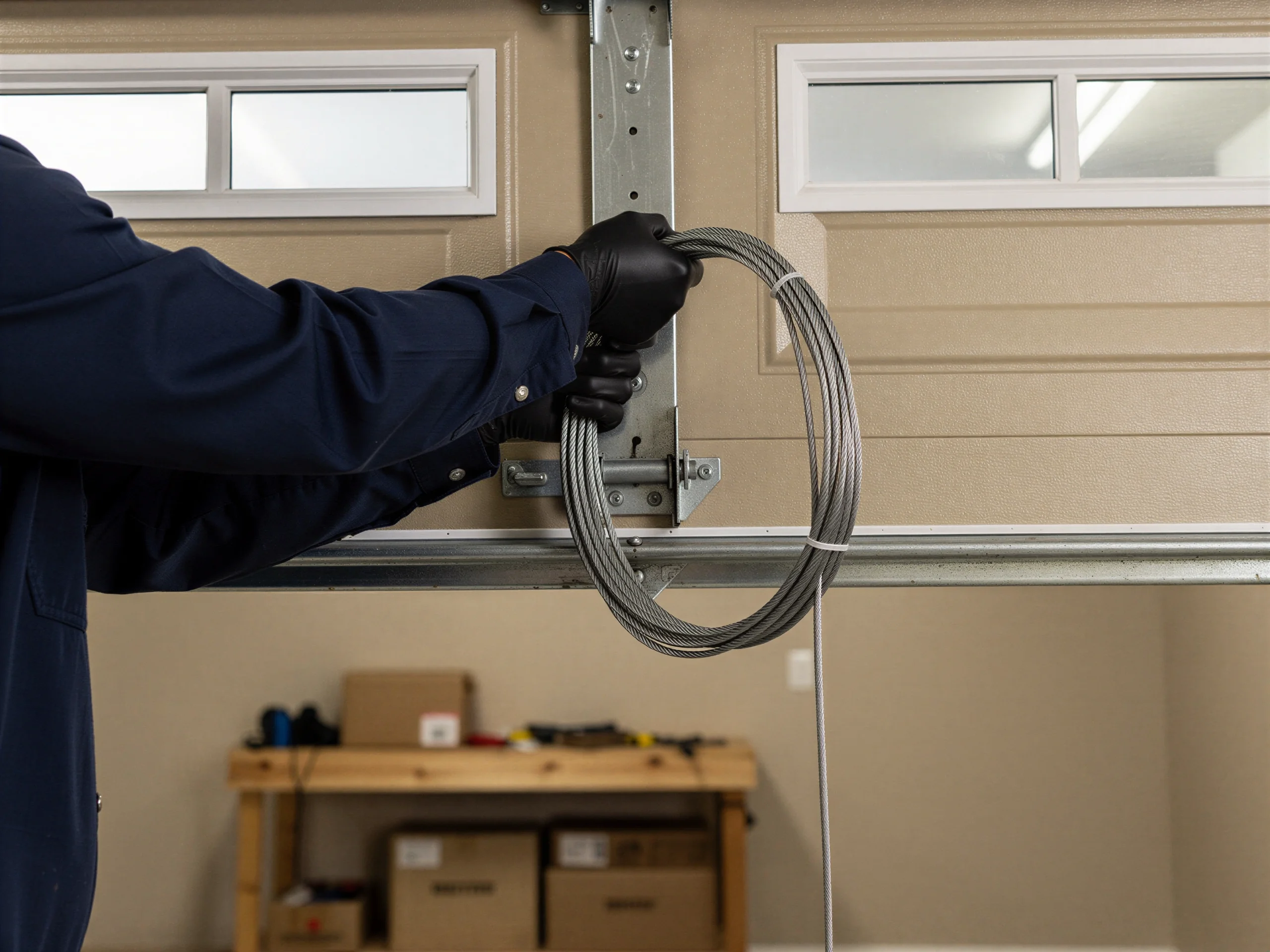
Garage Door Cable Repair for Milford Homes
Milford Garage Door Pros repairs snapped and frayed garage door cables on the original torsion hardware common in Milford homes built between 1954 and 1986. Learn more →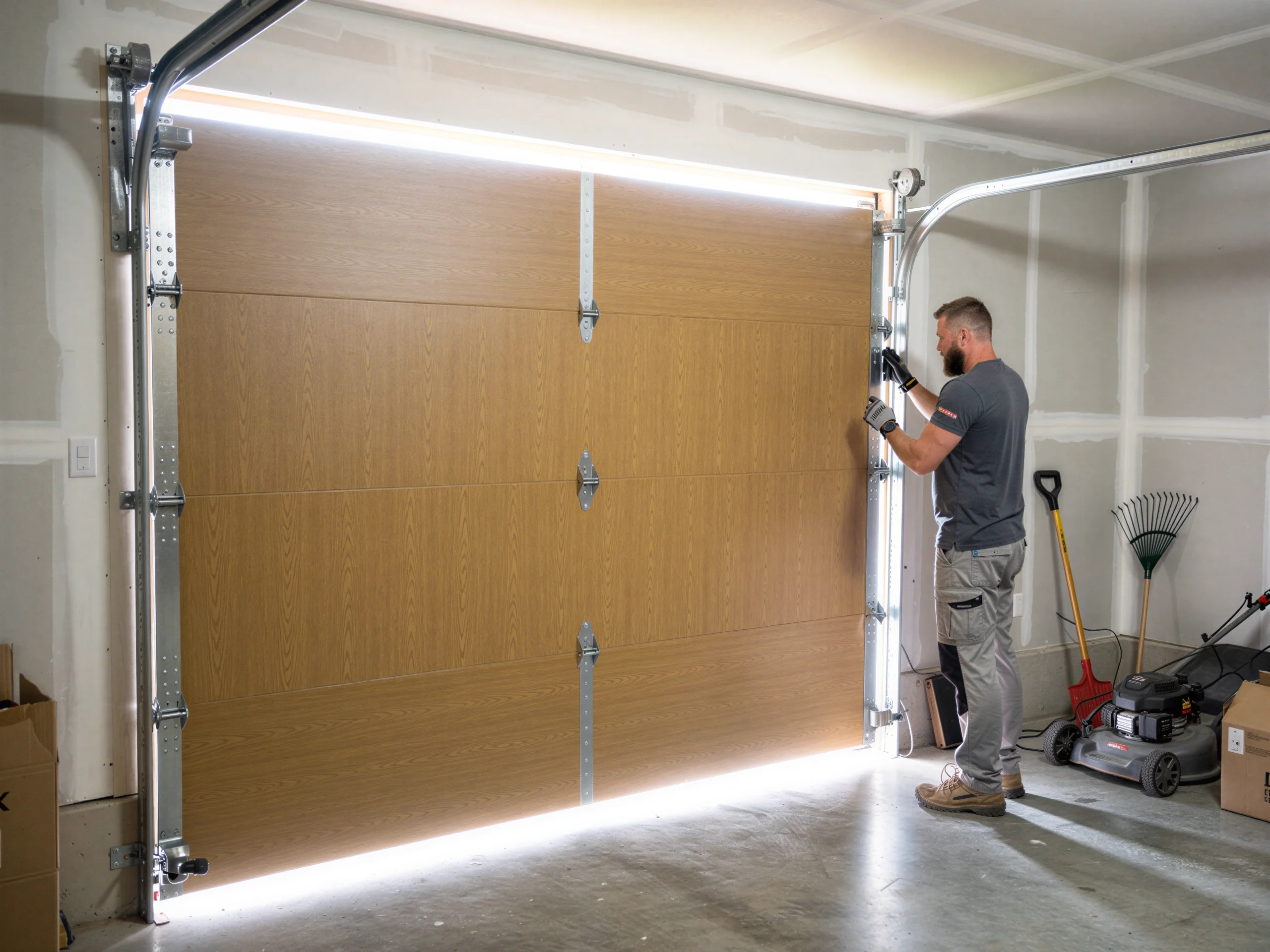
Garage Door Installation Built for Milford's Housing Stock
Milford's housing mostly dates to 1954-1986, and original garage doors and hardware are failing together. Learn more →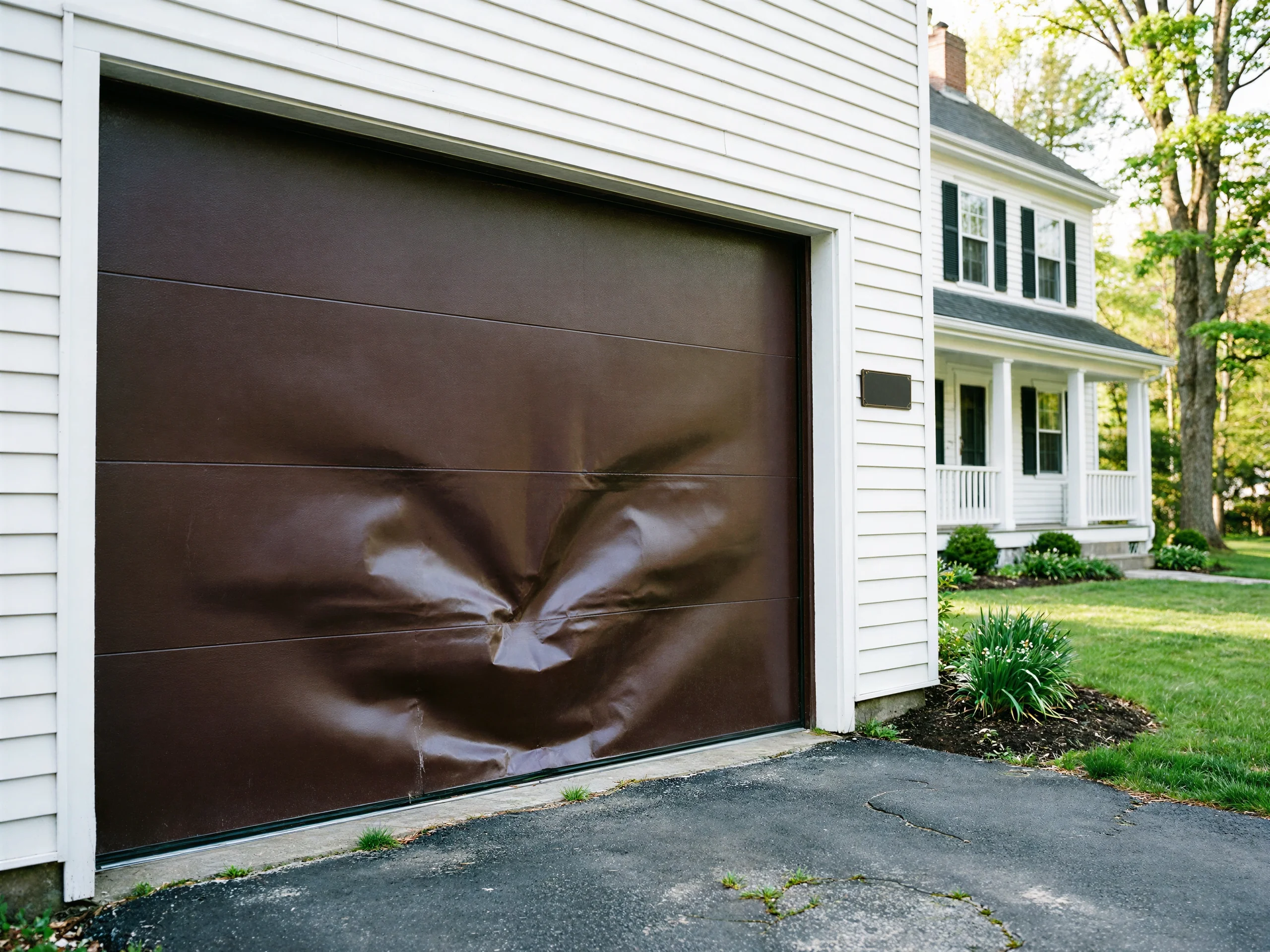
Garage Door Panel Replacement for Milford Homes
Dented or cracked garage door panels are common on Milford's 1960s-70s housing stock. Learn more →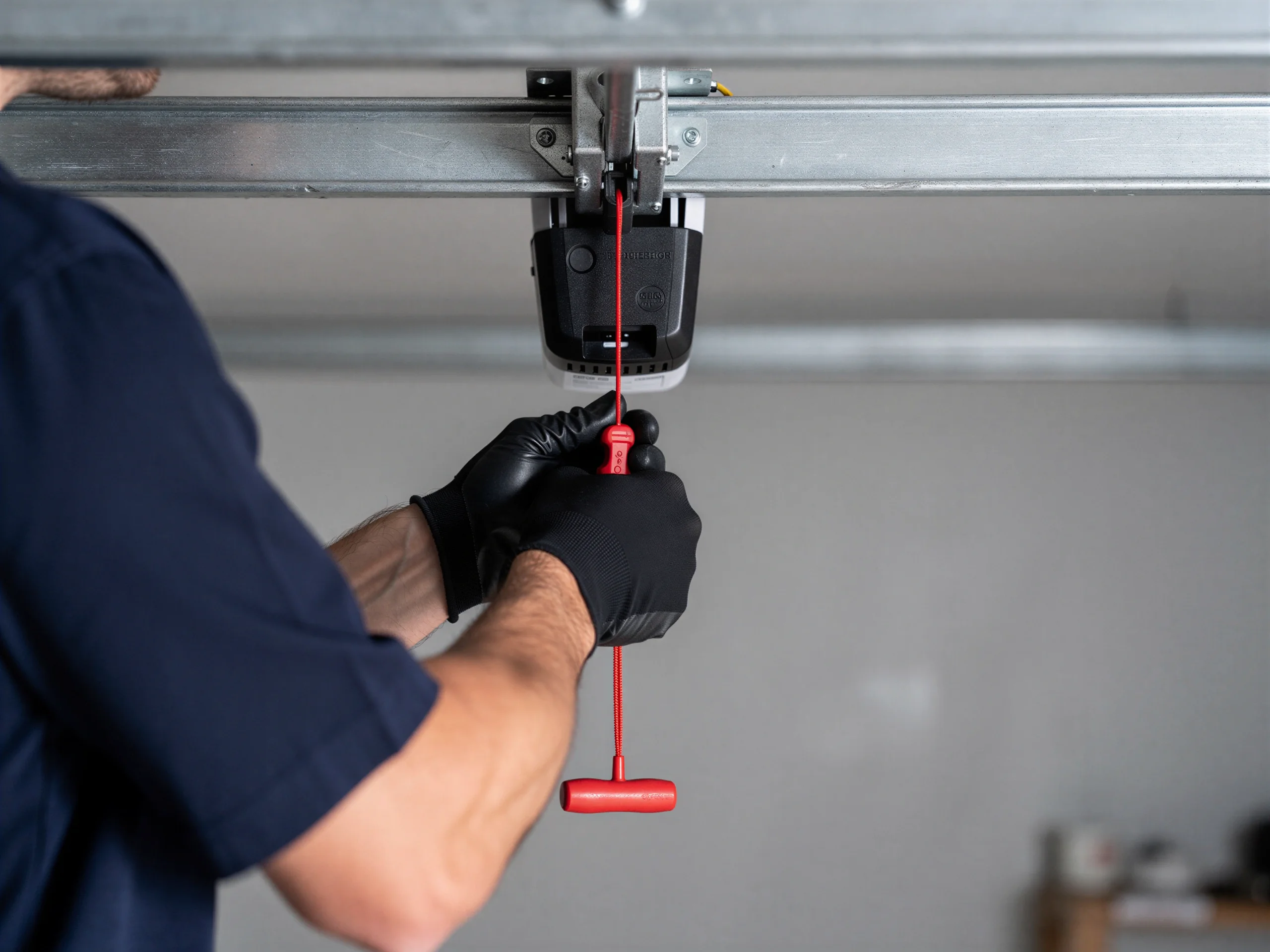
When Your Milford Garage Door Opener Stops Working Right
Opener grinding, reversing, or dead on a Milford garage door? Learn more →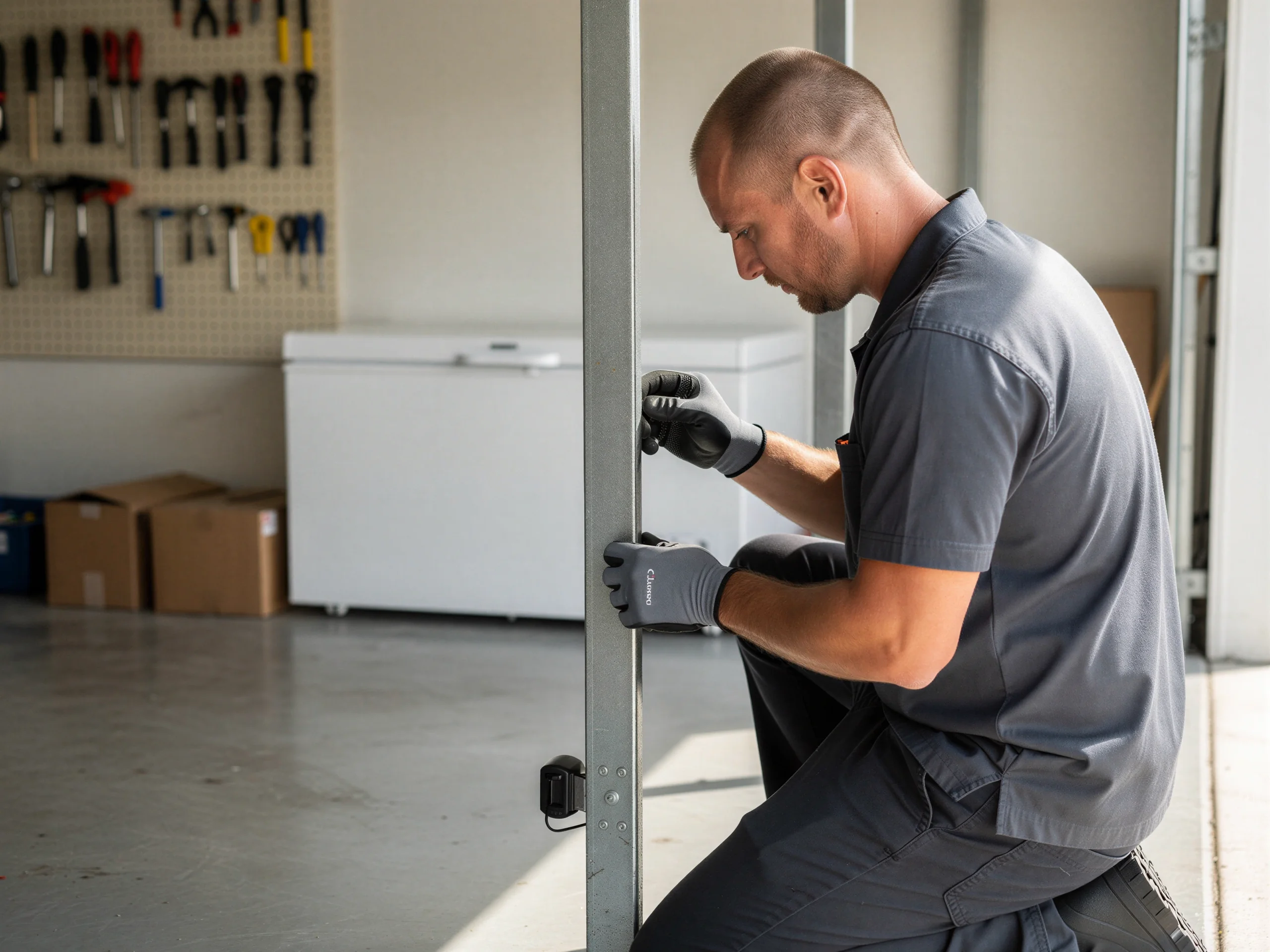
Garage Door Service for Milford's 1960s and 70s Housing Stock
Milford homes built mostly between 1954 and 1986 carry original hardware that struggles in cold. Learn more →
Garage Door Maintenance for Milford's 1960s and 70s Housing Stock
Milford homes built mostly between 1954 and 1986 wear out springs and rollers on a predictable clock. Learn more →Ready when you are
Garage door off its track in Milford?
Milford Garage Door Pros repairs and installs garage doors, springs and openers in Milford, CT and the surrounding area.