Milford, CT
When Your Milford Garage Door Opener Stops Working Right
Opener grinding, reversing, or dead on a Milford garage door? See why 1960s-70s openers fail here and what actually drives the repair cost.
The Symptom
The opener hums but the door doesn't move. Or it moves a few inches and reverses. Or the remote works from the driveway but not from the street, and the wall button only responds if you hold it just right.
Motor spins, nothing moves
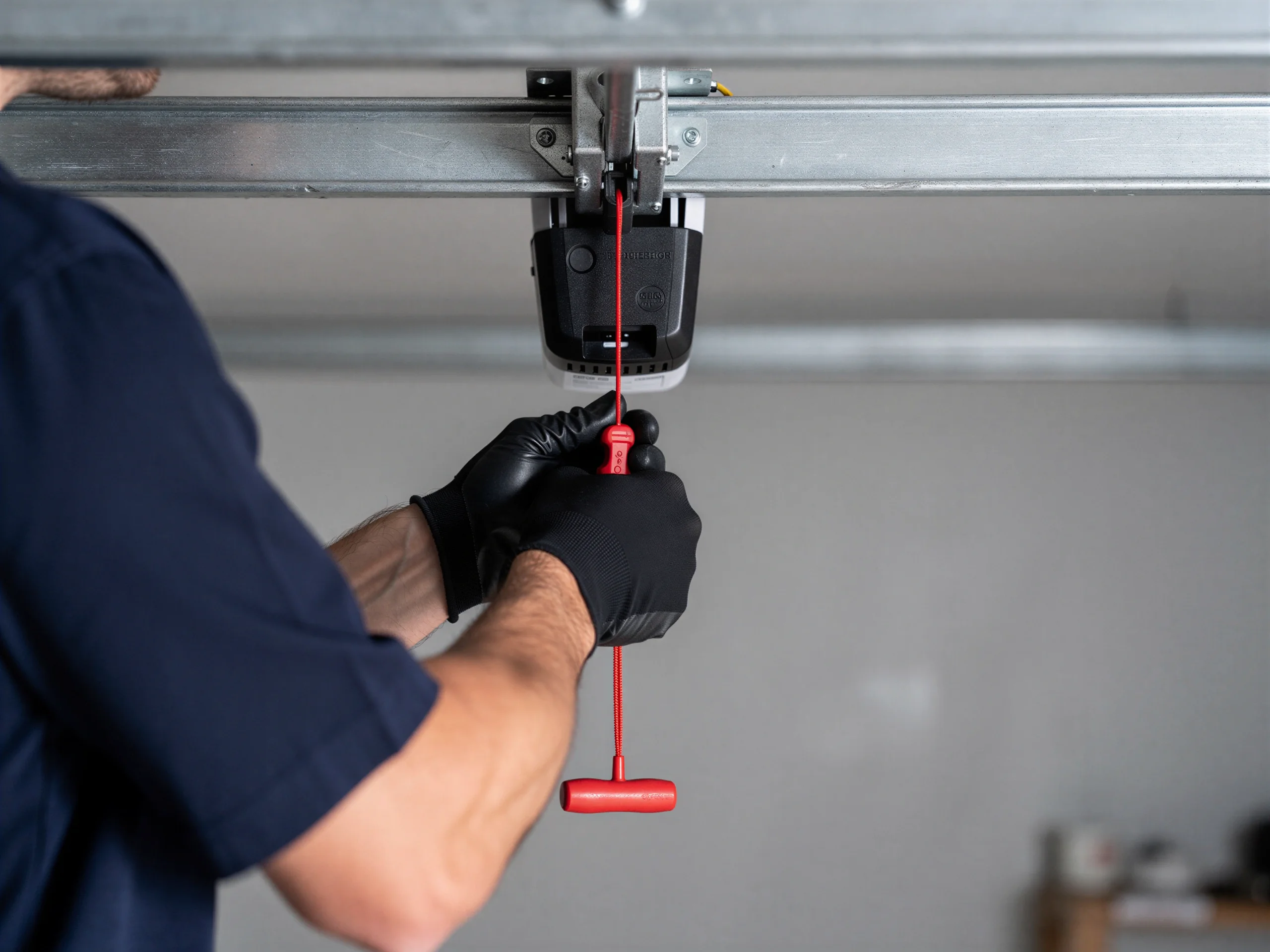
Sometimes it's simpler than that: the motor runs, the chain or belt doesn't, and you're standing there listening to a unit spin without doing anything useful. These aren't random. A chain-drive opener that's slipping usually has a worn sprocket or a chain that's stretched past where the tensioner can take up slack. A belt that's cracking has probably dried out.
Logic board resets
A logic board that resets itself mid-cycle is often a capacitor or a connection that's finally given out after years of temperature swings in an unheated garage. None of this is mysterious once you've seen enough of these units - but it does mean the fix depends on which failure you've actually got, not just "the opener is broken.
Guessing from description
We don't guess over the phone. A unit that sounds like a gear problem can turn out to be a travel-limit issue, and vice versa. That's a five-minute check in person, not a diagnosis from a description.
Why It Happens Here
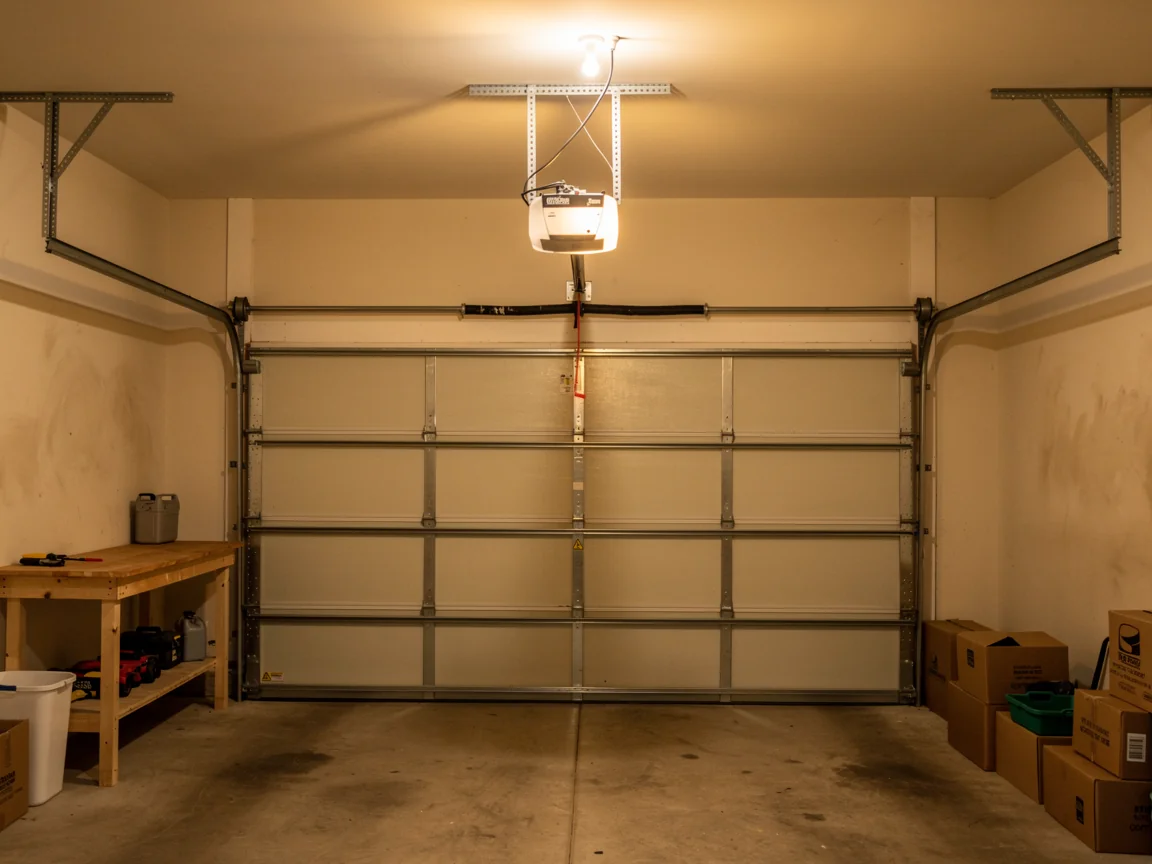
Housing in this part of Connecticut mostly went up between 1954 and 1986, with construction peaking around 1971, and that era is exactly when chain-drive openers with steel logic boards and open-frame motors were standard. A lot of those original units, or their first replacements installed decades ago, are still bolted to the ceiling. Gears molded from older nylon blends get brittle with age, and once they start shedding teeth, the chain slips under load instead of pulling the door.
Cold makes it worse. This area sits in a climate band the federal data marks as severe cold, which means real winter swings - hard freezes, then thaws, repeated for months. An unheated garage sees most of that swing directly. Chain lubricant that's fine in August turns to sludge in January, logic boards that tolerate 70 degrees get flaky at 20, and metal housings contract just enough to throw off alignment on sensors and limit switches that were set years ago in warmer weather.
Put those two things together - an aging fleet of openers from the 1960s and '70s building boom, sitting in garages that see genuine cold - and you get a predictable pattern of failures every winter: gears that strip, boards that reset, sensors that drift out of alignment. It's not bad luck. It's the housing stock and the climate doing what they do.
The Complications
An opener repair gets more complicated when the unit is old enough that parts aren't made anymore. A logic board from a chain-drive model built in the 1970s or '80s isn't something a supplier stocks - sometimes the whole opener has to come out rather than get patched, which changes the job from a repair call to a replacement conversation partway through.
Retrofitted safety sensors
Safety sensors add another layer. Photo-eye sensors at the bottom of the track became standard well after a lot of this area's housing was built, so plenty of older openers here were retrofitted at some point, not installed with sensors from the factory.
Sloppy retrofit wiring
A retrofit that was done poorly - sensors a half-inch out of alignment, wiring spliced instead of run clean - causes exactly the kind of intermittent reversing that looks like a motor problem but isn't.
Regional service radius
We cover a wide radius out of Milford - Stratford sits about 4 miles off, Orange 5, West Haven 6, out through towns like Derby, Ansonia, and Trumbull further on - and across that area, with well over 130,000 owner-occupied houses, the mix of original 1960s-70s openers and later DIY retrofits is the rule, not the exception. That mix is why two openers that look identical on the outside can need completely different repairs inside.
What You Pay
We're not going to list a price here, because an opener repair isn't one job - a worn sprocket and chain is a different bill than a logic board swap or a full unit replacement, and we won't quote either without seeing which one you've actually got.
Price drivers explained
What we can tell you is what drives the number: whether the part is still manufactured, whether the issue is the opener itself or something downstream like a misaligned sensor or a spring problem that's making the opener work harder than it should, and how old the unit is.
Discontinued boards for old units
Here's the honest limitation: if your opener is original to a house built in the 1960s or '70s, we may tell you a repair isn't worth doing. Boards and gear sets for units that old are often discontinued, and chasing parts for a unit that's going to fail again in six months isn't a good use of your money.
Same-visit simple fixes
In that case we'll say so plainly instead of patching something that won't hold. If the opener is newer, or the failure is something straightforward like a sensor out of alignment or a worn drive gear, that's usually a same-visit fix. Either way, you get a real number after we've looked at the unit, not a guess based on a phone description.
Questions
Common questions
Why does my garage door opener only act up in winter?
Cold is the biggest factor. Chain lubricant thickens, logic boards get less reliable in low temperatures, and metal housings contract slightly, which can throw sensors and limit switches out of alignment. This area sees genuine winter cold, and an unheated garage doesn't buffer much of that, so openers that run fine in summer start reversing or resetting once temperatures drop.
Is it worth repairing an opener from the 1970s?
Sometimes, sometimes not. If the part that failed is still available and the rest of the unit is solid, a repair makes sense. If it's a board or gear set that's been discontinued, we'll tell you that directly rather than hunting for a part that may not exist, because chasing it usually just delays an inevitable replacement.
My remote works but the wall button doesn't. What's wrong?
That points to a wiring or wall-button issue rather than the motor or logic board, since the remote and wall button use separate circuits into the opener. It's usually a loose connection at the button, damaged wire along the wall, or a failing terminal inside the unit - all things we check before touching the motor.
Do you work on openers outside Milford?
Yes, we cover towns out to around 20 miles from Milford, including Stratford, Orange, West Haven, Derby, Ansonia, and further towns like Trumbull and Monroe. Response and scheduling details for your specific town are on that town's page.
Explore more
Explore More Services In Milford, CT
Fixing Garage Doors on Milford's 1960s and 70s Housing Stock
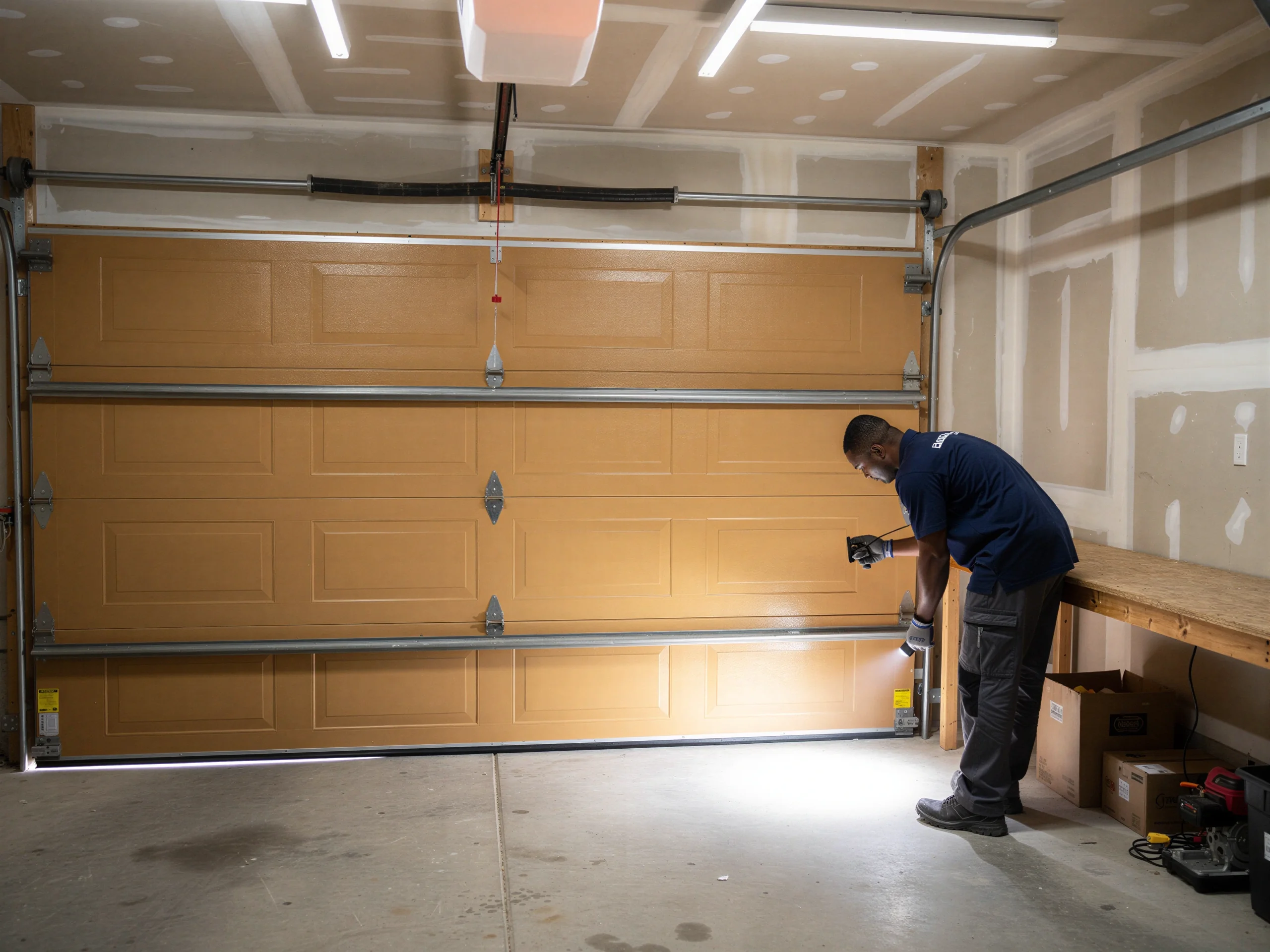
Garage door repair in Milford, CT for homes built 1954-1986 with original torsion hardware worn down by severe cold winters. Learn more →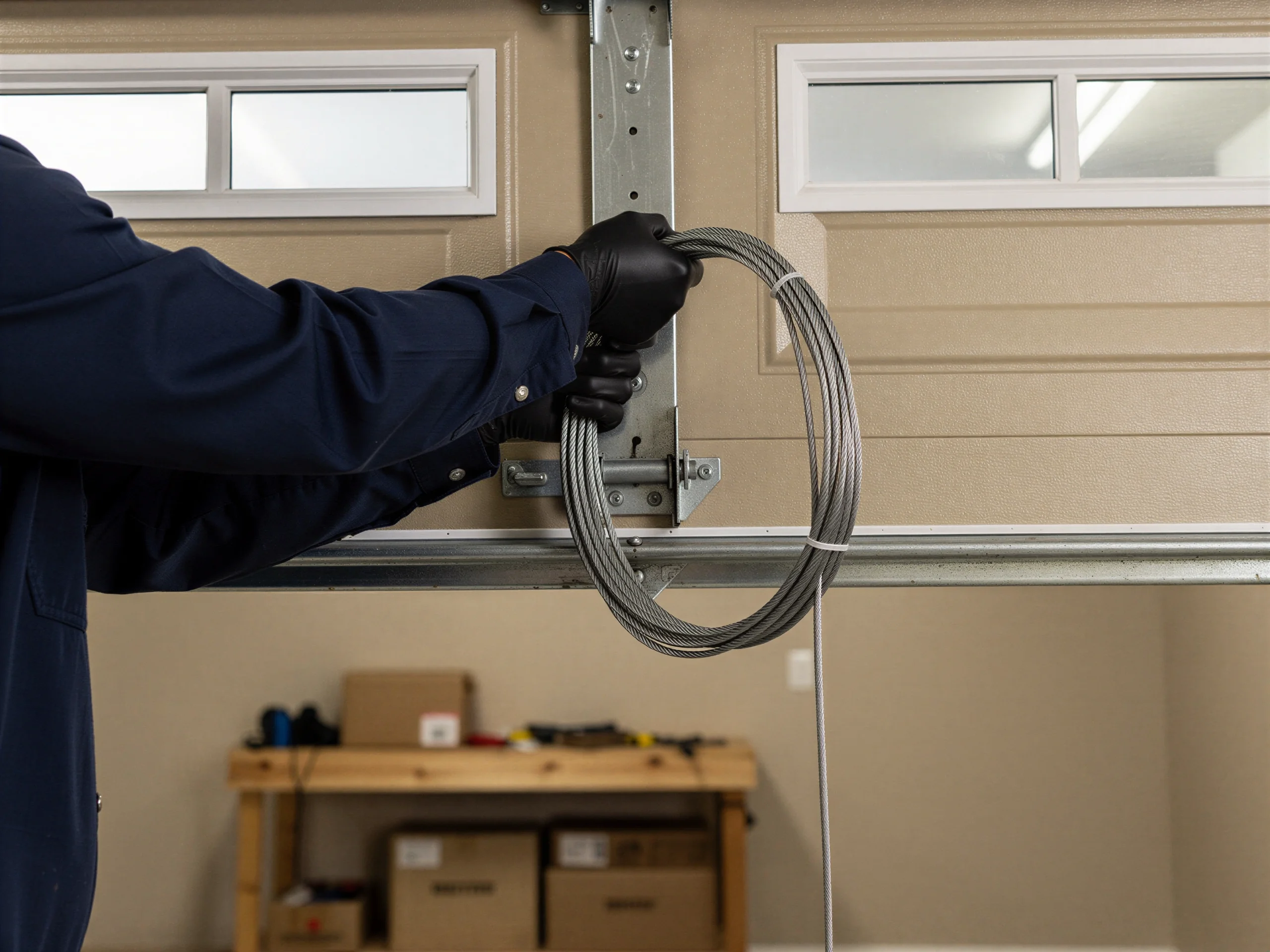
Garage Door Cable Repair for Milford Homes
Milford Garage Door Pros repairs snapped and frayed garage door cables on the original torsion hardware common in Milford homes built between 1954 and 1986. Learn more →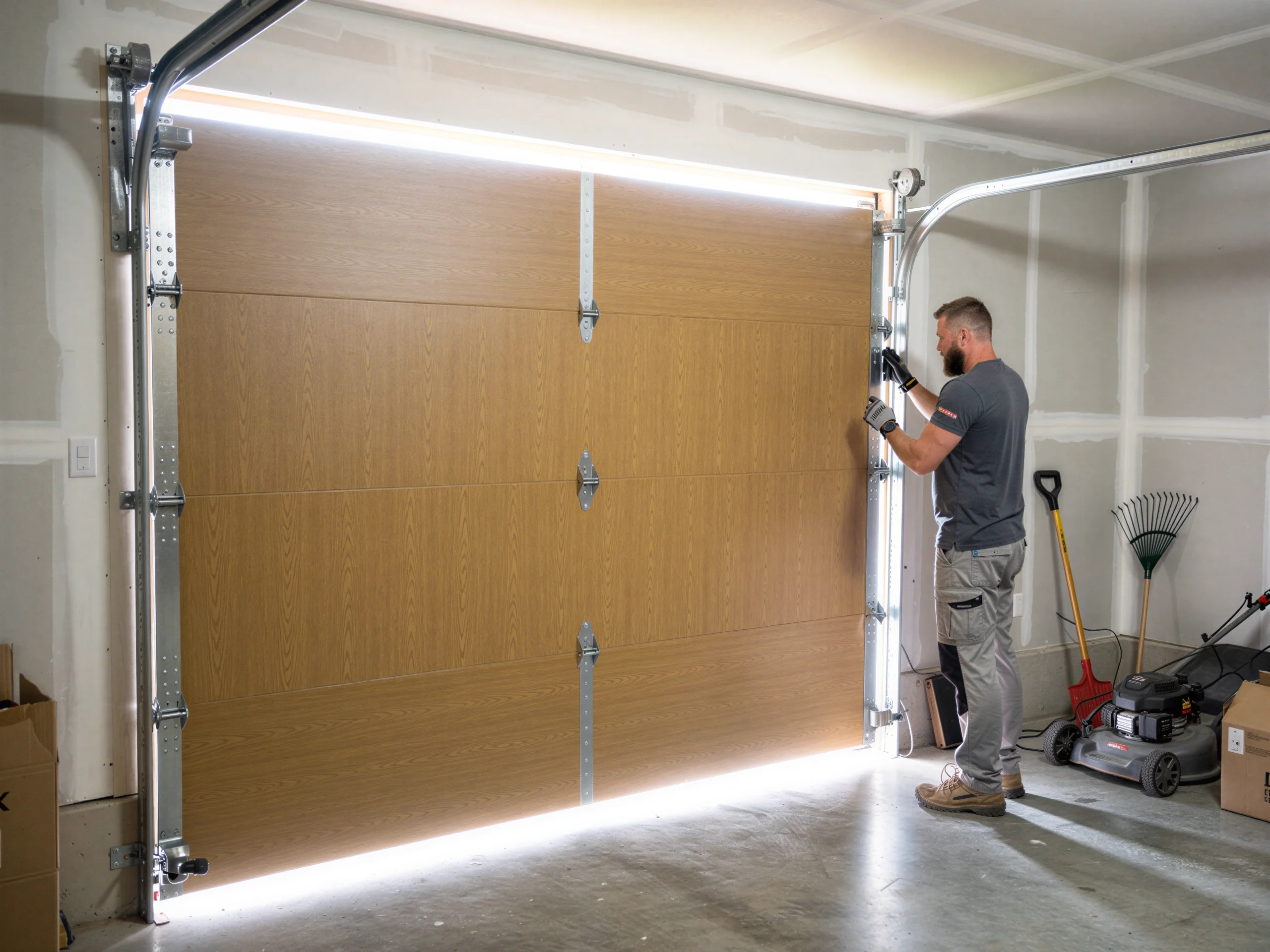
Garage Door Installation Built for Milford's Housing Stock
Milford's housing mostly dates to 1954-1986, and original garage doors and hardware are failing together. Learn more →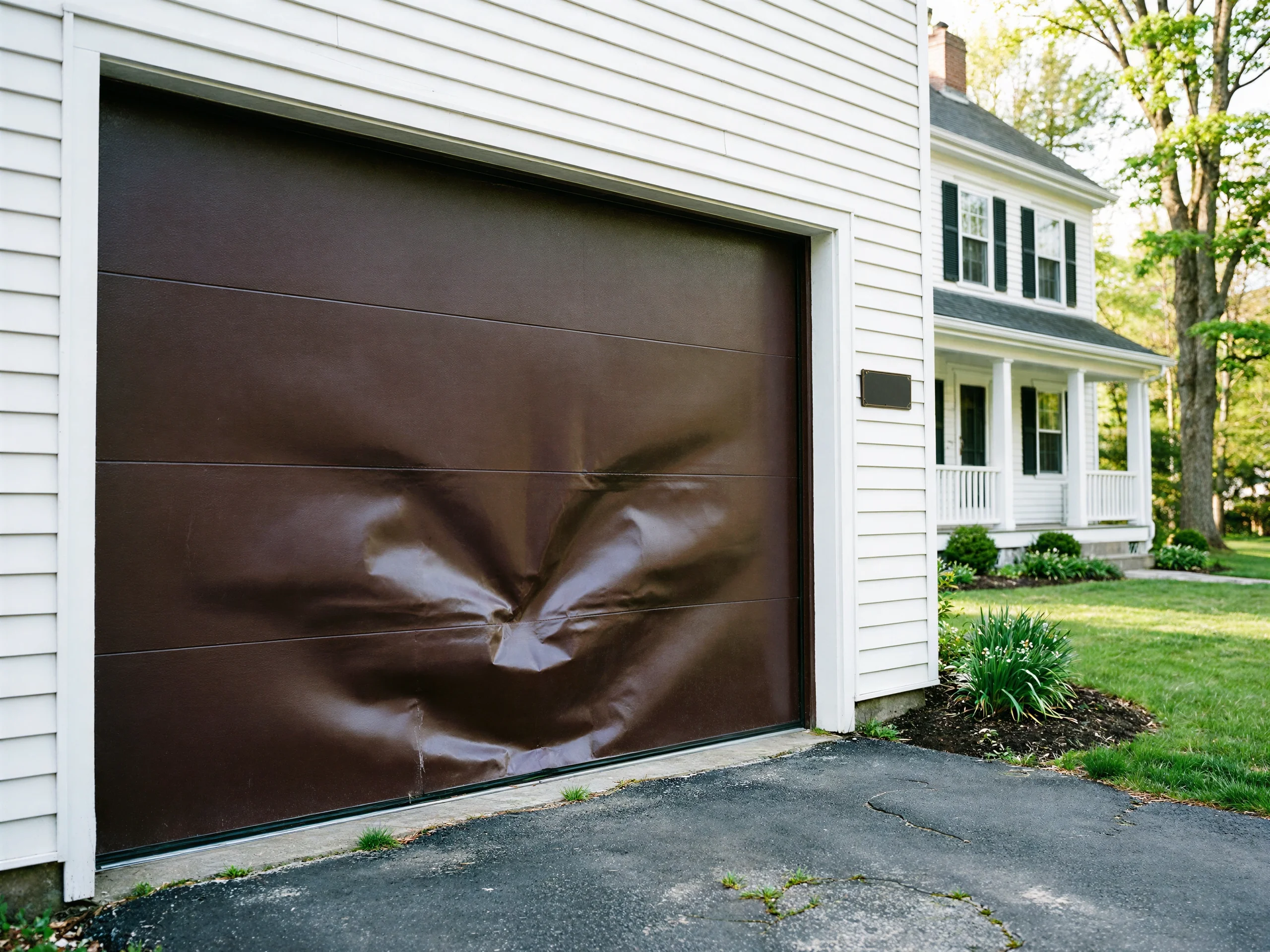
Garage Door Panel Replacement for Milford Homes
Dented or cracked garage door panels are common on Milford's 1960s-70s housing stock. Learn more →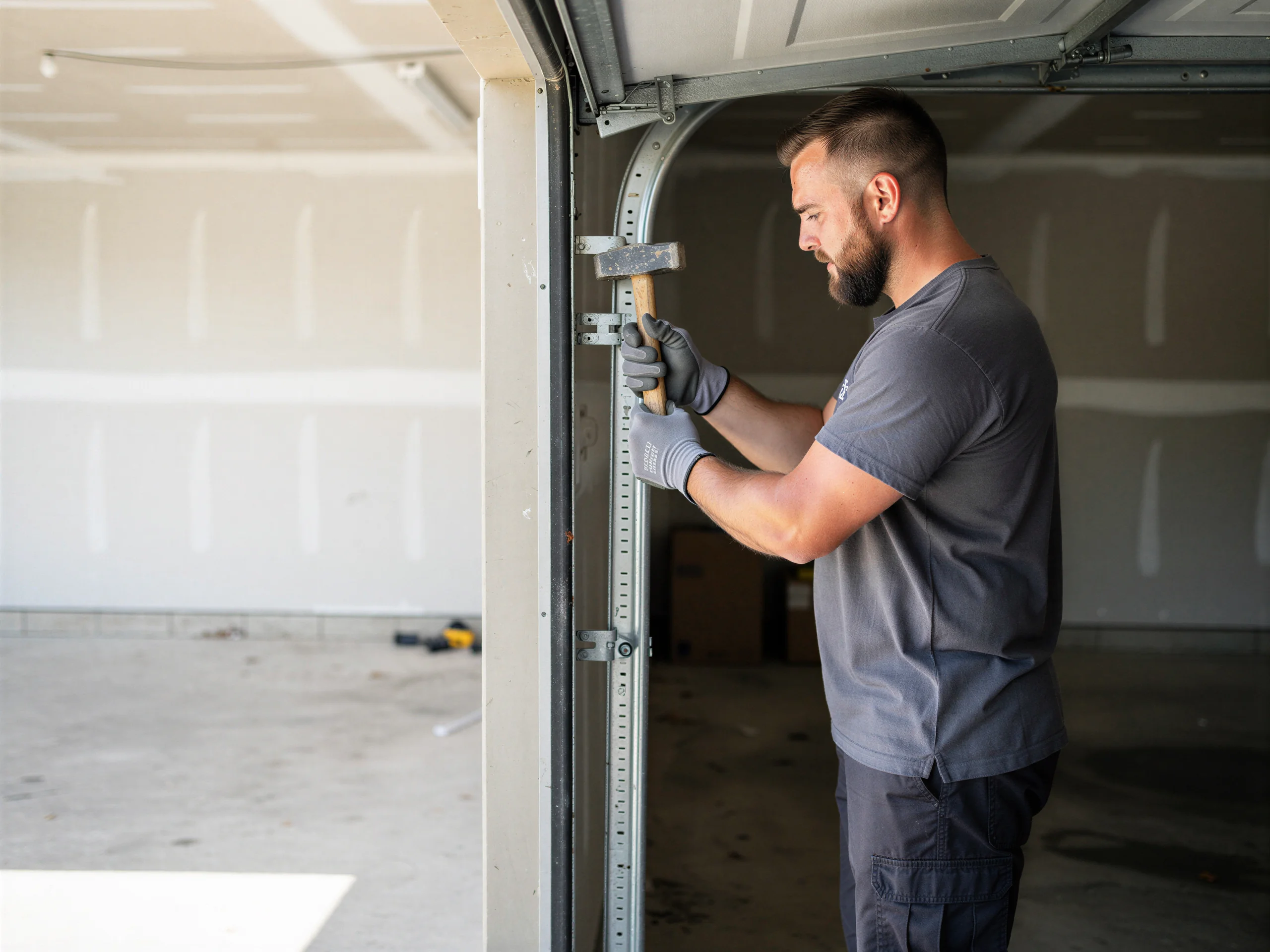
Garage Door Off Track: Why It Happens So Often in Milford
A garage door that's jumped its track is common in Milford's older housing stock. Learn more →
Garage Door Maintenance for Milford's 1960s and 70s Housing Stock
Milford homes built mostly between 1954 and 1986 wear out springs and rollers on a predictable clock. Learn more →Ready when you are
Garage door opener acting up in Milford?
Milford Garage Door Pros repairs and installs garage doors, springs and openers in Milford, CT and the surrounding area.