Milford, CT
Fixing Garage Doors on Milford's 1960s and 70s Housing Stock
Garage door repair in Milford, CT for homes built 1954-1986 with original torsion hardware worn down by severe cold winters. Call Milford Garage Door Pros.
The Symptom
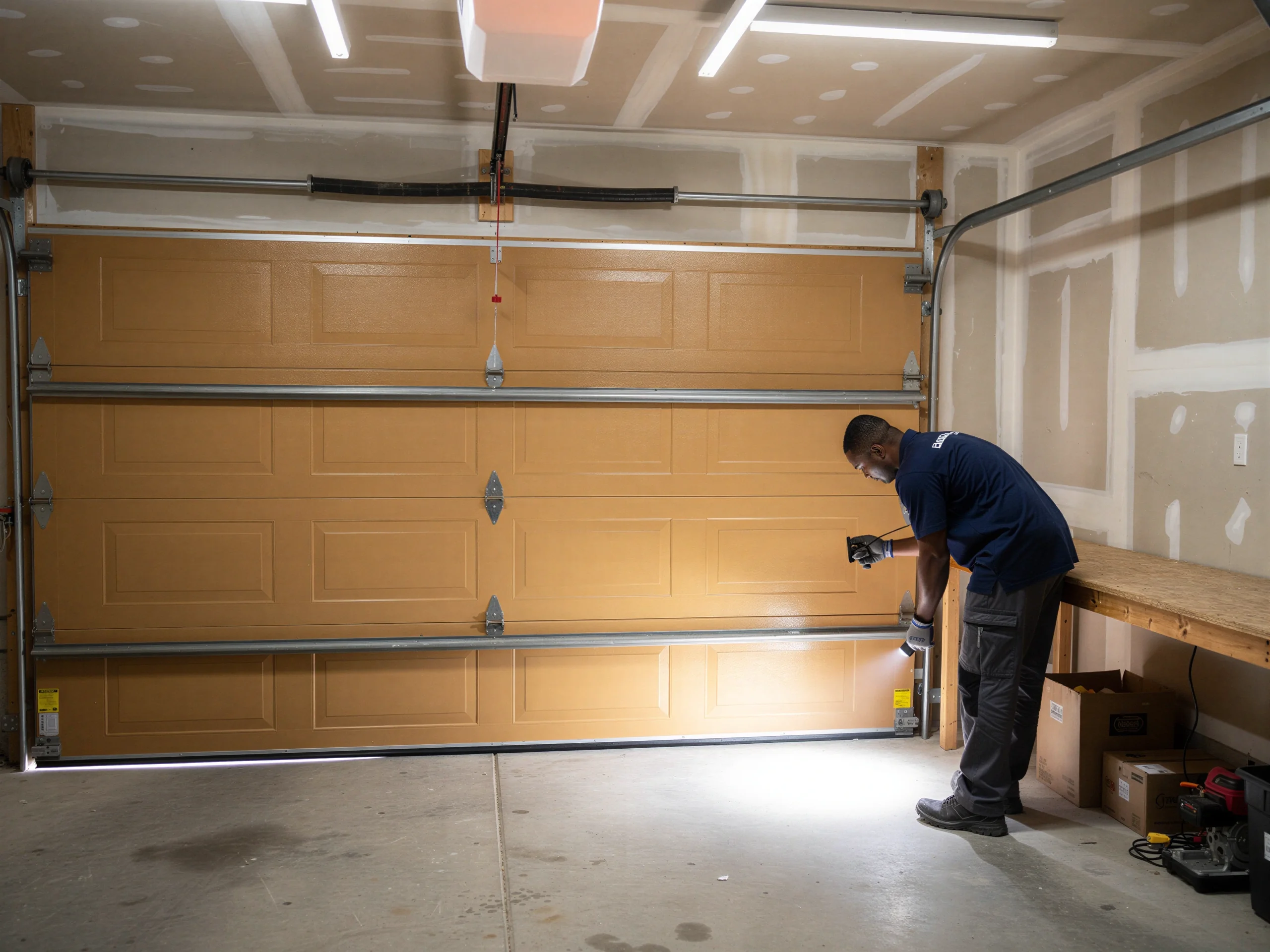
The call we get most from Milford is a door that won't go up, or goes up and slams back down halfway. Sometimes it's a loud bang from the garage followed by a door that won't budge - that's a torsion spring letting go.
Door rises crooked
Other times the door creeps up crooked, one side higher than the other, which usually means a cable has jumped the drum or a roller has seized in the track. Openers that run but don't lift anything are almost always a broken spring too; the motor isn't built to carry the whole weight of the door on its own.
Reversing after closing
We also see a lot of doors that reverse right after they start closing, tripping the safety sensors for no obvious reason. On older doors without modern photo-eyes, that's often a different problem - a binding track or a cable pulling unevenly.
Symptoms guide the repair
None of these are mysteries once we're standing in front of the door, but on the phone it's worth knowing which symptom you've got, because a spring job, a cable job, and a track job are three different repairs with three different parts lists.
Why It Happens Here
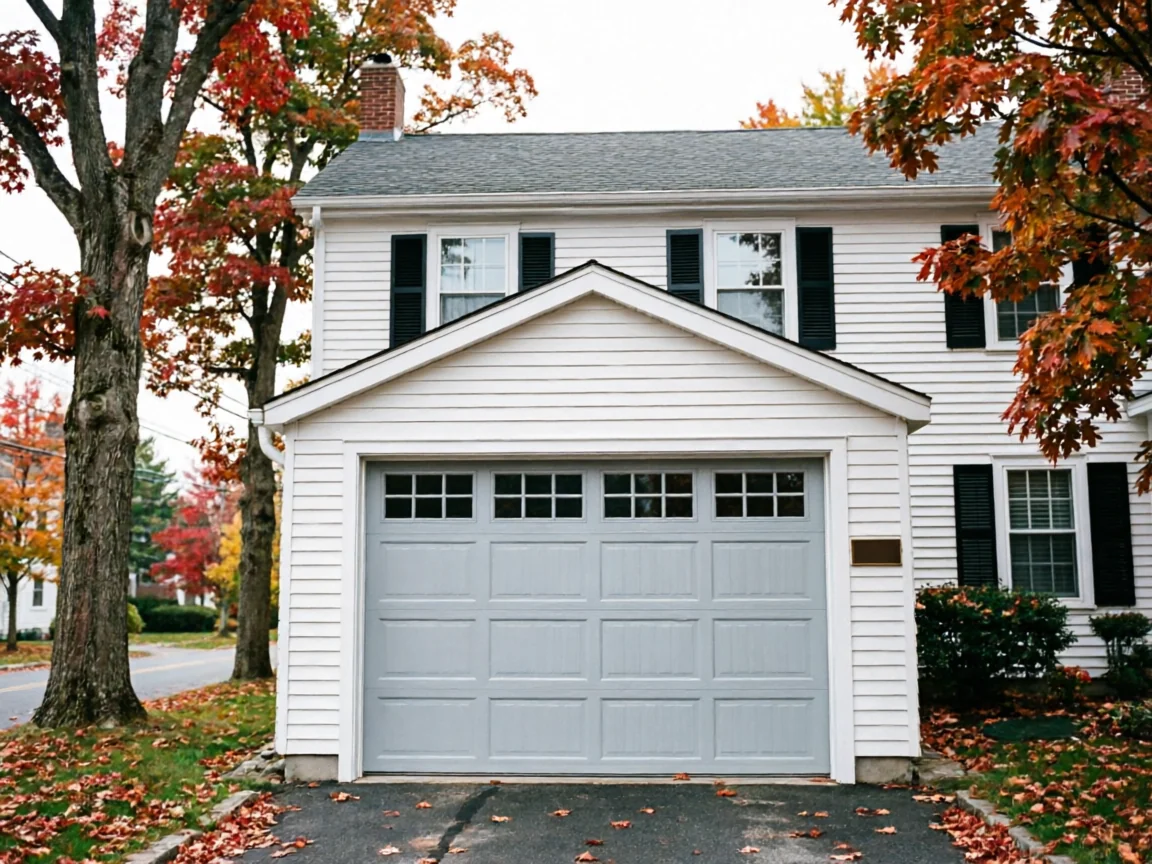
Housing in this service area mostly went up between 1954 and 1986, with a median build year around 1971, and that era matters more than people expect. Doors and openers installed or replaced during the first retrofit wave in the 1990s and 2000s are now old enough that their torsion springs are past the cycle count they were rated for. Across the 35 named neighborhoods that make up this area, that same 1960s-70s construction pattern repeats - single-layer steel panels, side-mounted torsion hardware, and pulley systems that were standard then and are hard to source now.
The climate does the rest. This area sits in a COLD severe band, and that means real freeze-thaw cycling every winter, not just a cold morning here and there. Steel contracts in the cold and springs lose tension faster than they would in a milder climate. Nylon rollers that have gone brittle from age crack outright on a cold start-up instead of just squeaking. A garage that isn't heated or insulated sees this hardest, which is most garages built in that era - insulated garage doors weren't common practice yet when these houses went up.
The Complications
The complication we run into most is mismatched hardware. A homeowner replaced the door panel at some point but kept the original torsion spring, or vice versa, and now the spring is sized for a door that's ten pounds lighter or heavier than what's actually hanging on it.
Insulated door, old spring
With 133,703 owner-occupied houses across this area built mostly in that same post-war stretch, we see this combination constantly - newer insulated door, old spring, and a door that either won't stay up or slams.
Tight single-car headroom
The other complication is access. A lot of these garages were built with single-car bays and tight headroom, which limits which track and spring configurations actually fit without reframing the header.
Patching moves the failure
We'll tell you straight if a repair isn't worth doing - sometimes the drum, the track, and the spring are all original and all worn, and patching one piece just moves the failure to the next part down the line. In that case replacement is the honest answer, not another repair bill in six months.
What You Pay
We don't post a flat price here because spring jobs, cable jobs, and track jobs don't cost the same, and a door that needs one part doesn't need three.
Quote after inspection
What we can tell you is how we price it: we look at the door in person, tell you what's actually broken, and quote that repair - not a diagnostic fee that turns into an upsell once we're in your garage.
Mid-range door market
Median household income in this area runs $126,807, which tells you something about the kind of doors and openers installed here - mid-range steel and composite, not the cheapest option and not top-end custom wood.
Sourcing older panels
That matters for parts availability: common hardware for 1970s-era doors is still stocked, but some original panel styles are not, and if yours is one of those, replacement panels may take longer to source than the repair itself. We'll say so up front if that's the case rather than quote a date we can't hit.
Questions
Common questions
Why did my garage door spring break in the middle of winter?
Cold makes steel brittle and tightens tolerances on hardware that's already near the end of its cycle life. In this COLD severe climate, a torsion spring that's been weakening for a year often finally snaps on one of the coldest mornings, not a mild one. It's not bad luck - it's metal fatigue meeting low temperature at the same time.
My house was built in the 1960s - is that why parts are hard to find?
Sometimes. Housing in this area mostly dates to 1954-1986, and some original panel styles and track hardware from that era aren't manufactured anymore. Common parts like springs, cables, and rollers are still stocked. It's specific original panels or odd-width doors where sourcing takes longer.
Is it worth repairing an old door or should I replace it?
Depends what's failed. If it's a spring, cable, or roller on a door that's structurally sound, repair is almost always the cheaper and faster fix. If the track, drum, and spring are all original and all worn, you're often better off replacing the whole assembly instead of patching it piece by piece.
Explore more
Explore More Services In Milford, CT
Garage Door Maintenance for Milford's 1960s and 70s Housing Stock
Milford homes built mostly between 1954 and 1986 wear out springs and rollers on a predictable clock. Learn more →
Garage Door Service for Milford's 1960s and 70s Housing Stock
Milford homes built mostly between 1954 and 1986 carry original hardware that struggles in cold. Learn more →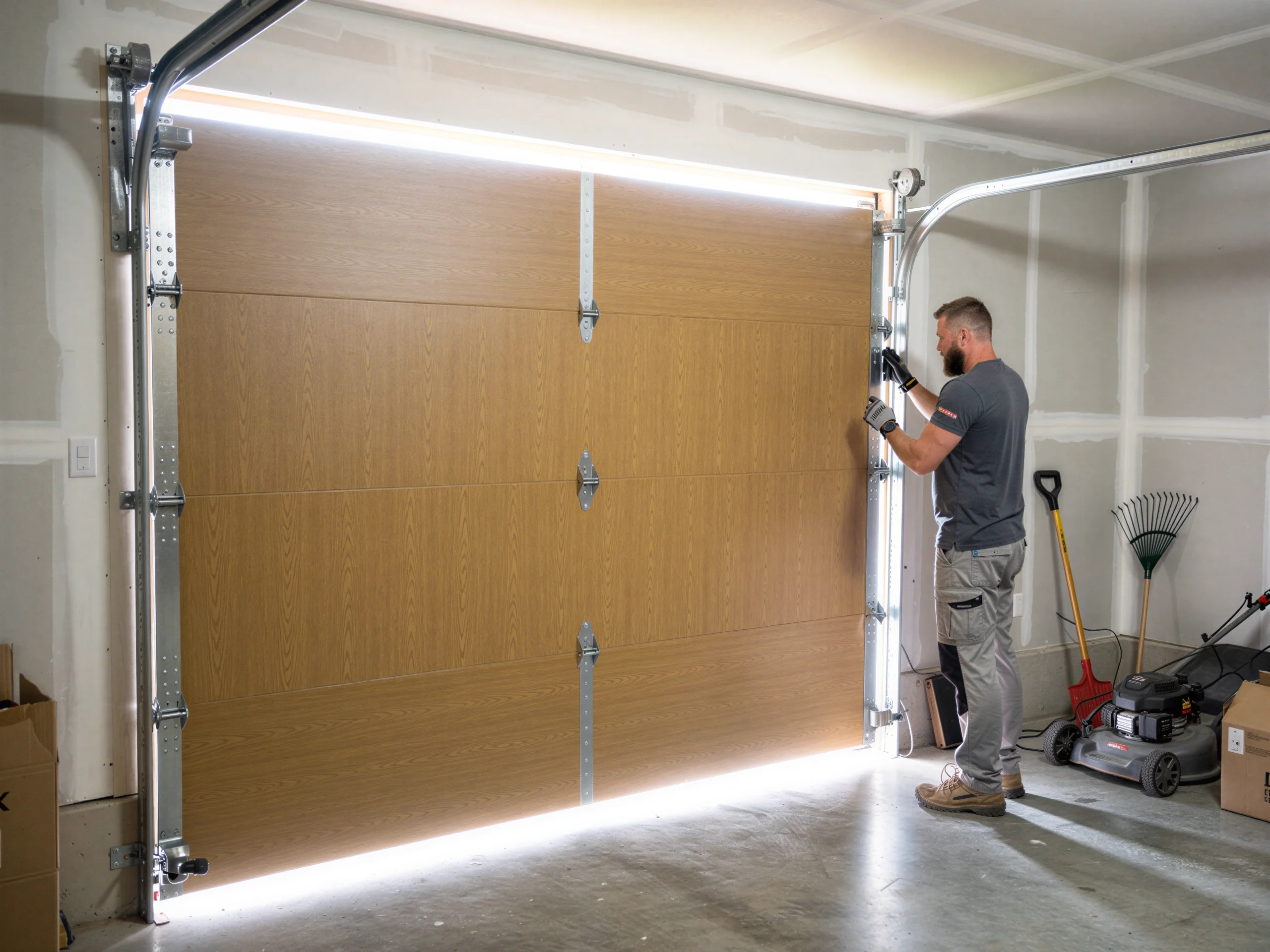
Garage Door Installation Built for Milford's Housing Stock
Milford's housing mostly dates to 1954-1986, and original garage doors and hardware are failing together. Learn more →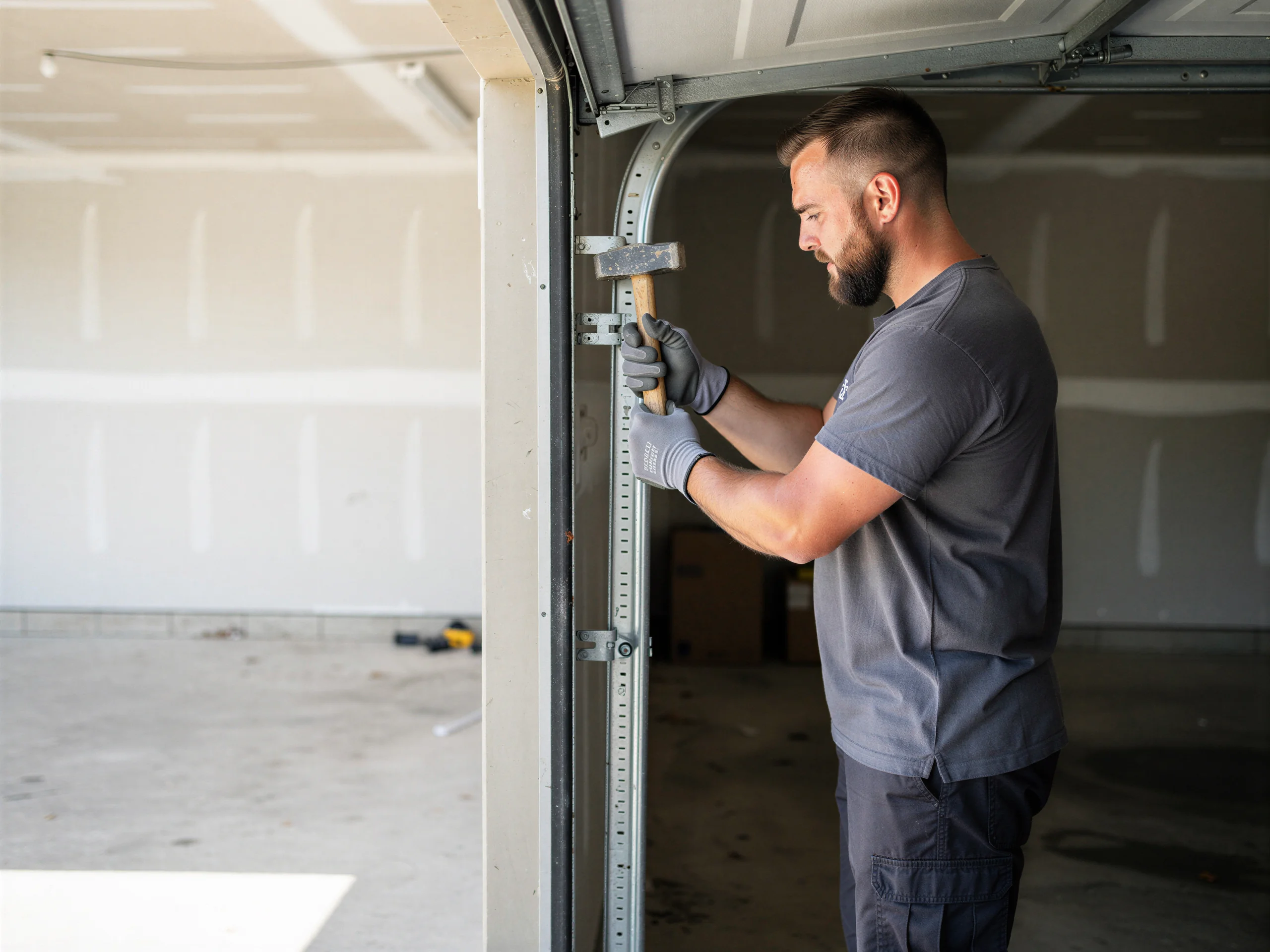
Garage Door Off Track: Why It Happens So Often in Milford
A garage door that's jumped its track is common in Milford's older housing stock. Learn more →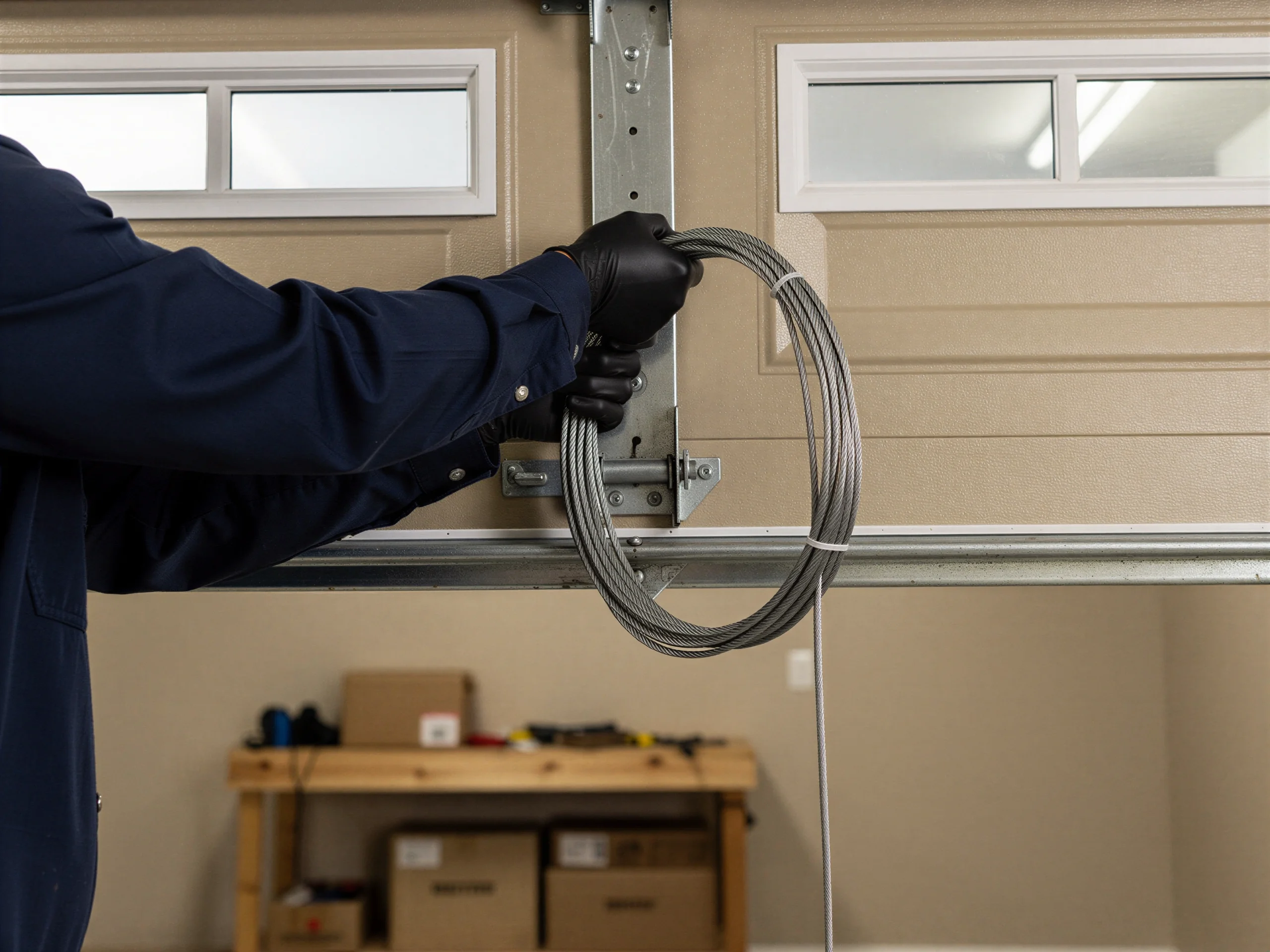
Garage Door Cable Repair for Milford Homes
Milford Garage Door Pros repairs snapped and frayed garage door cables on the original torsion hardware common in Milford homes built between 1954 and 1986. Learn more →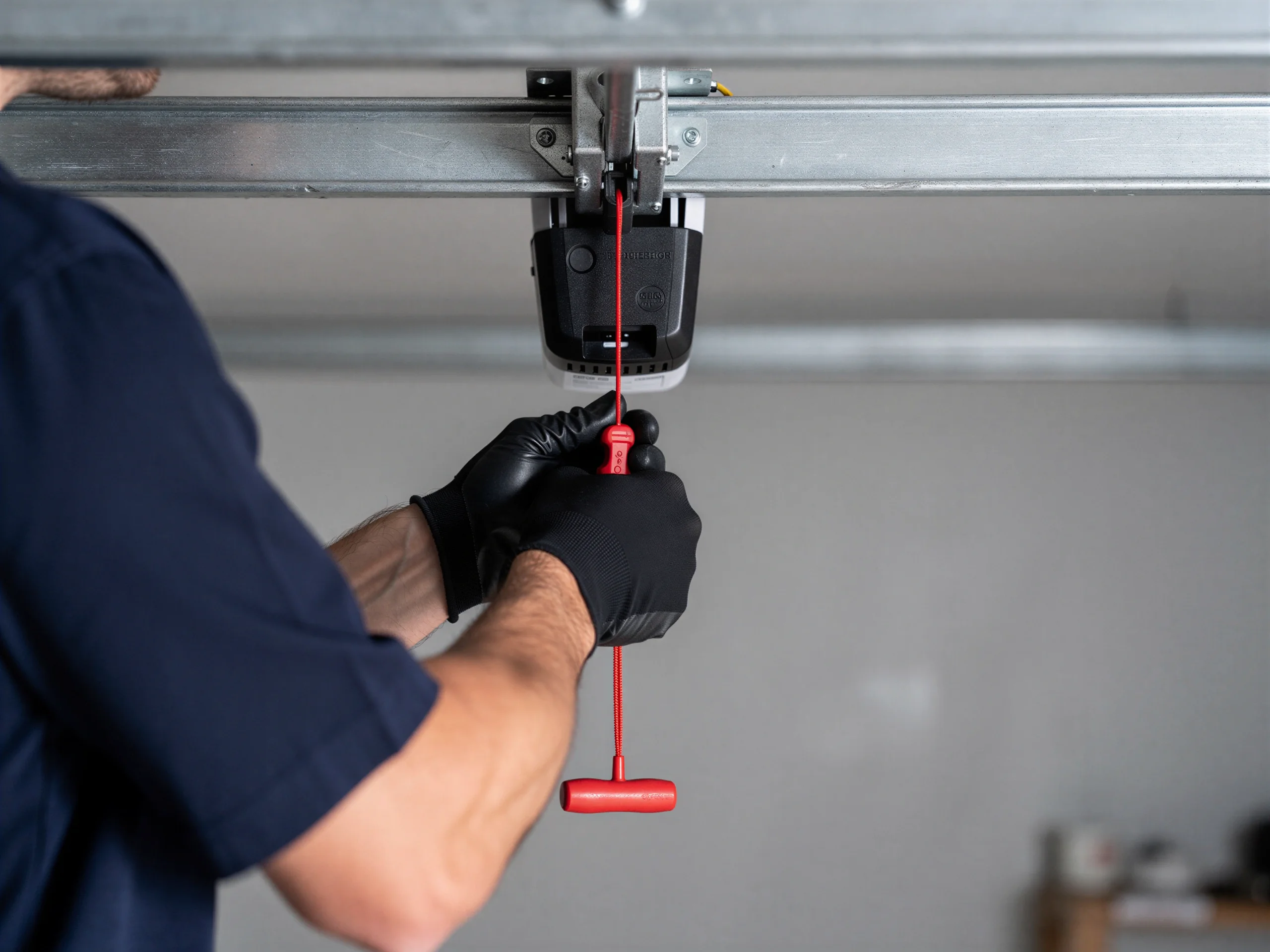
When Your Milford Garage Door Opener Stops Working Right
Opener grinding, reversing, or dead on a Milford garage door? Learn more →Ready when you are
Garage door trouble in Milford?
Milford Garage Door Pros repairs and installs garage doors, springs and openers in Milford, CT and the surrounding area.