Derby's short drive
That said, Derby is one of the closer stops on our map - closer than Trumbull, Woodbridge, or most of the other towns we cover - so it's rarely the long drive that holds up a job.
Derby, Milford CT
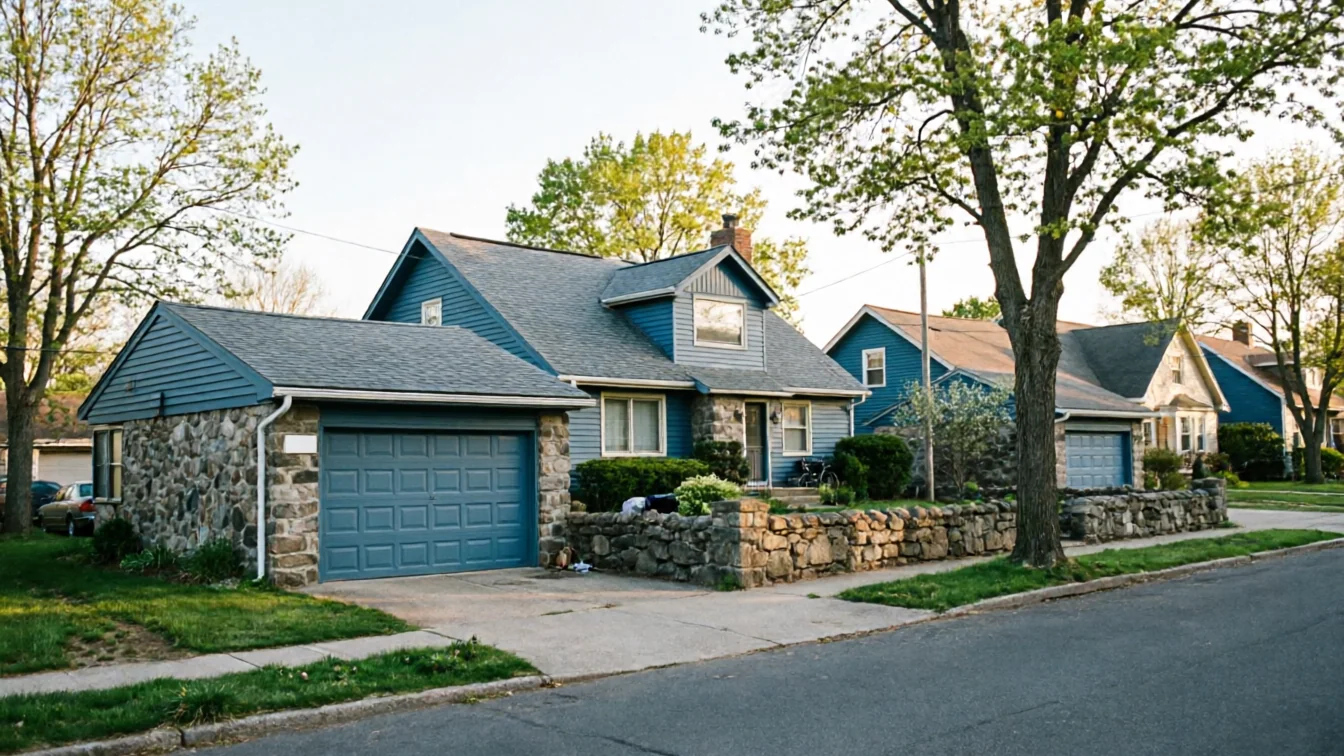
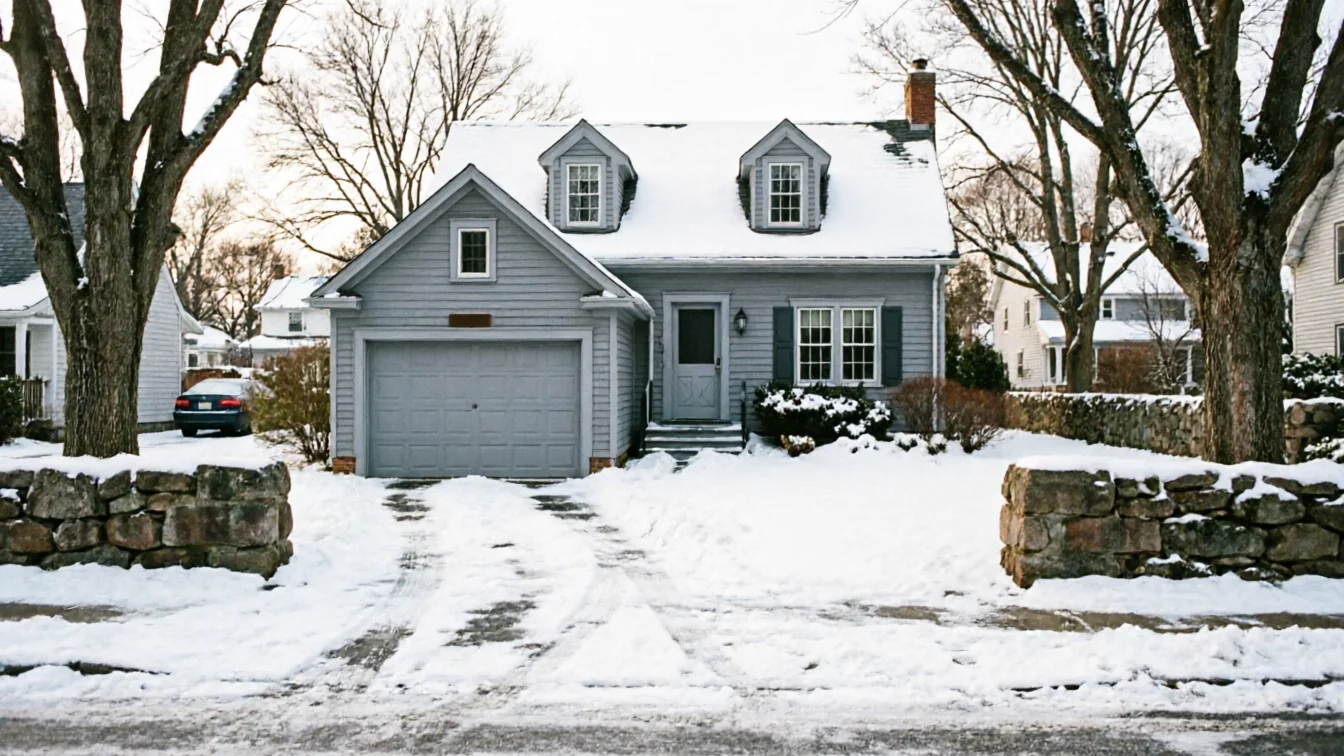
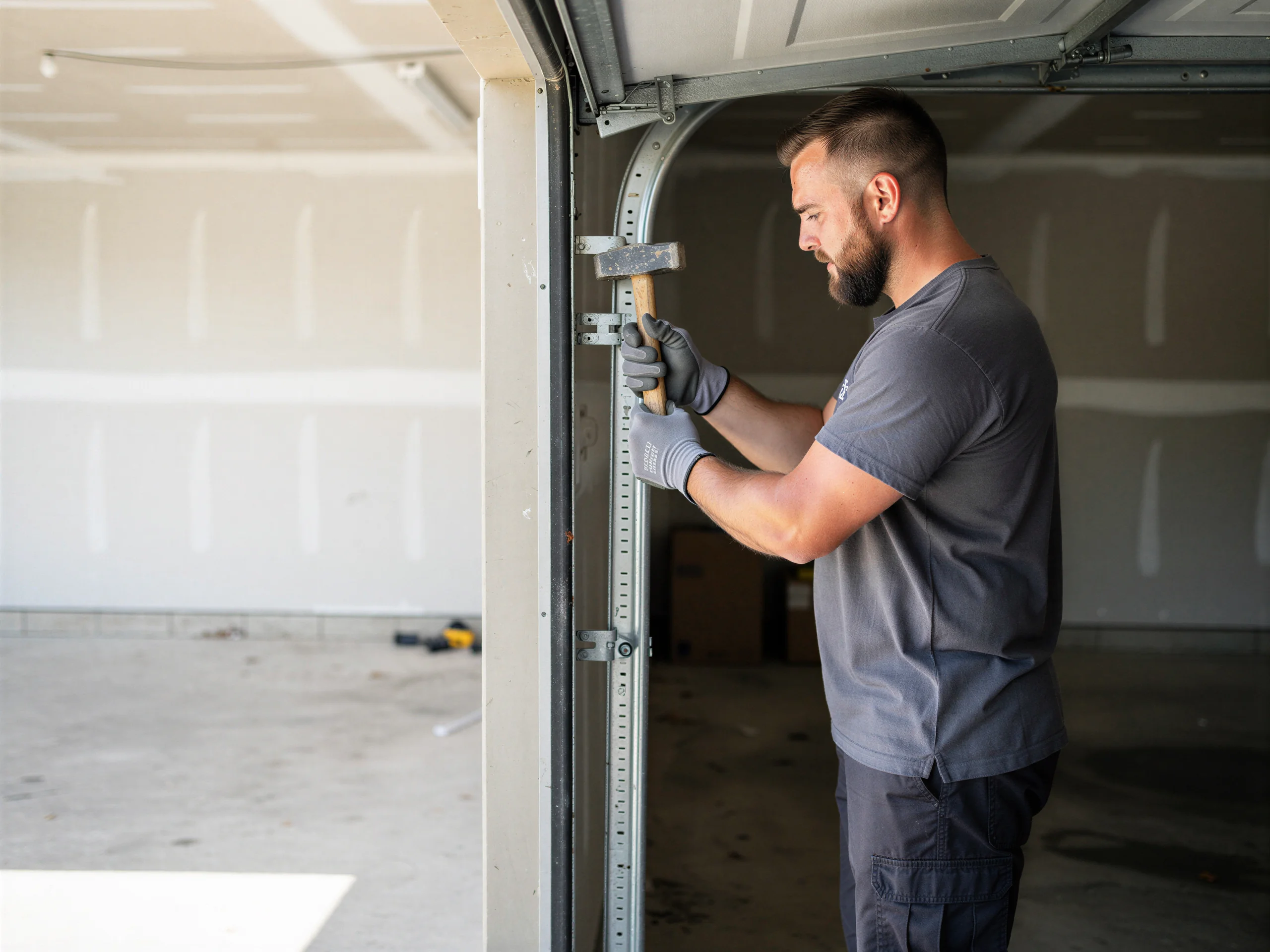
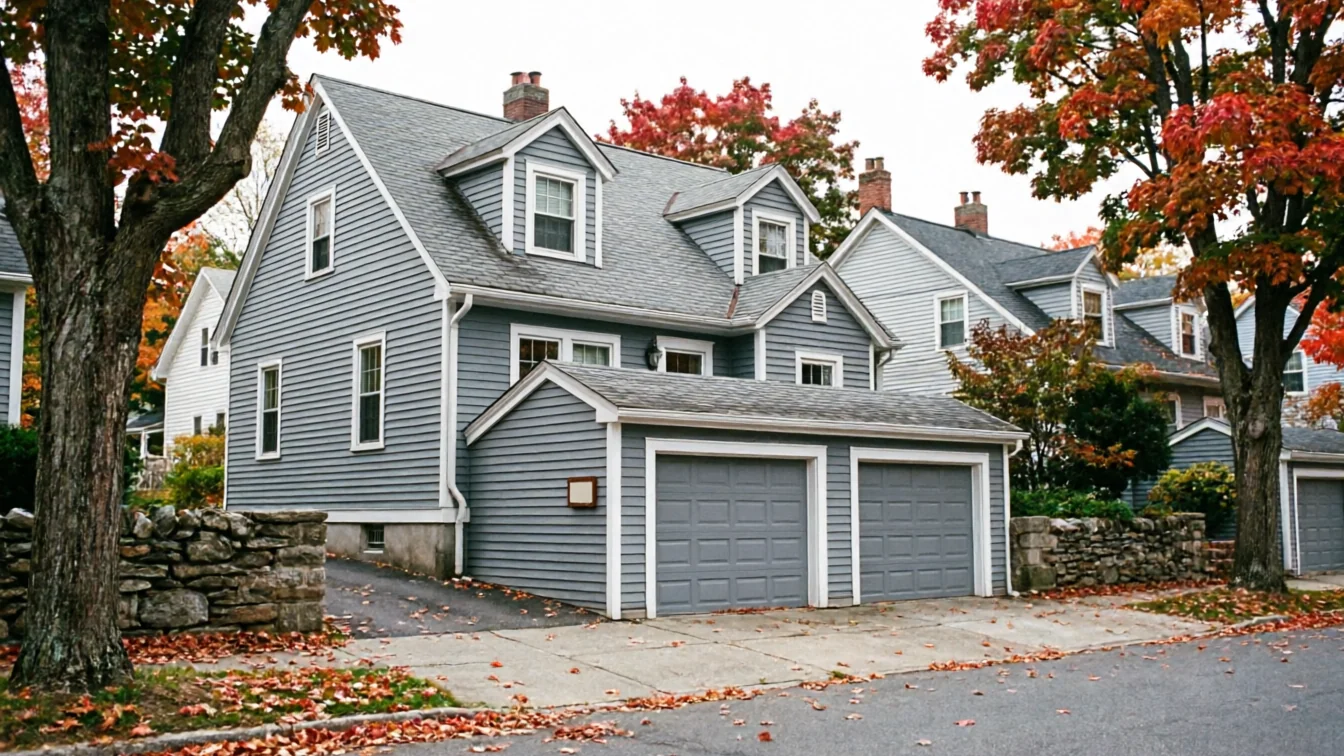
Derby homes mostly date to the mid-1960s, a decade earlier than the wider service area. We travel 7 miles from Milford to fix the doors and hardware that era actually used.
What we do here
Response times
We run out of Milford, about 7 miles from Derby, so there's no local depot here and we won't pretend otherwise. When you call, we're coming from the shop, not sitting around the corner.
That said, Derby is one of the closer stops on our map - closer than Trumbull, Woodbridge, or most of the other towns we cover - so it's rarely the long drive that holds up a job.
We don't quote a same-day guarantee because we can't promise what we can't control: a bad ice morning, three broken springs ahead of you, a part that has to be ordered. What we can tell you is that Derby doesn't get skipped or pushed to the bottom of the route because it's small.
A broken spring on a double door is a safety call regardless of which of our 30 towns it's in, and we treat it that way. If your door won't open at all, say so when you call. That changes how we schedule the day.
Our limits
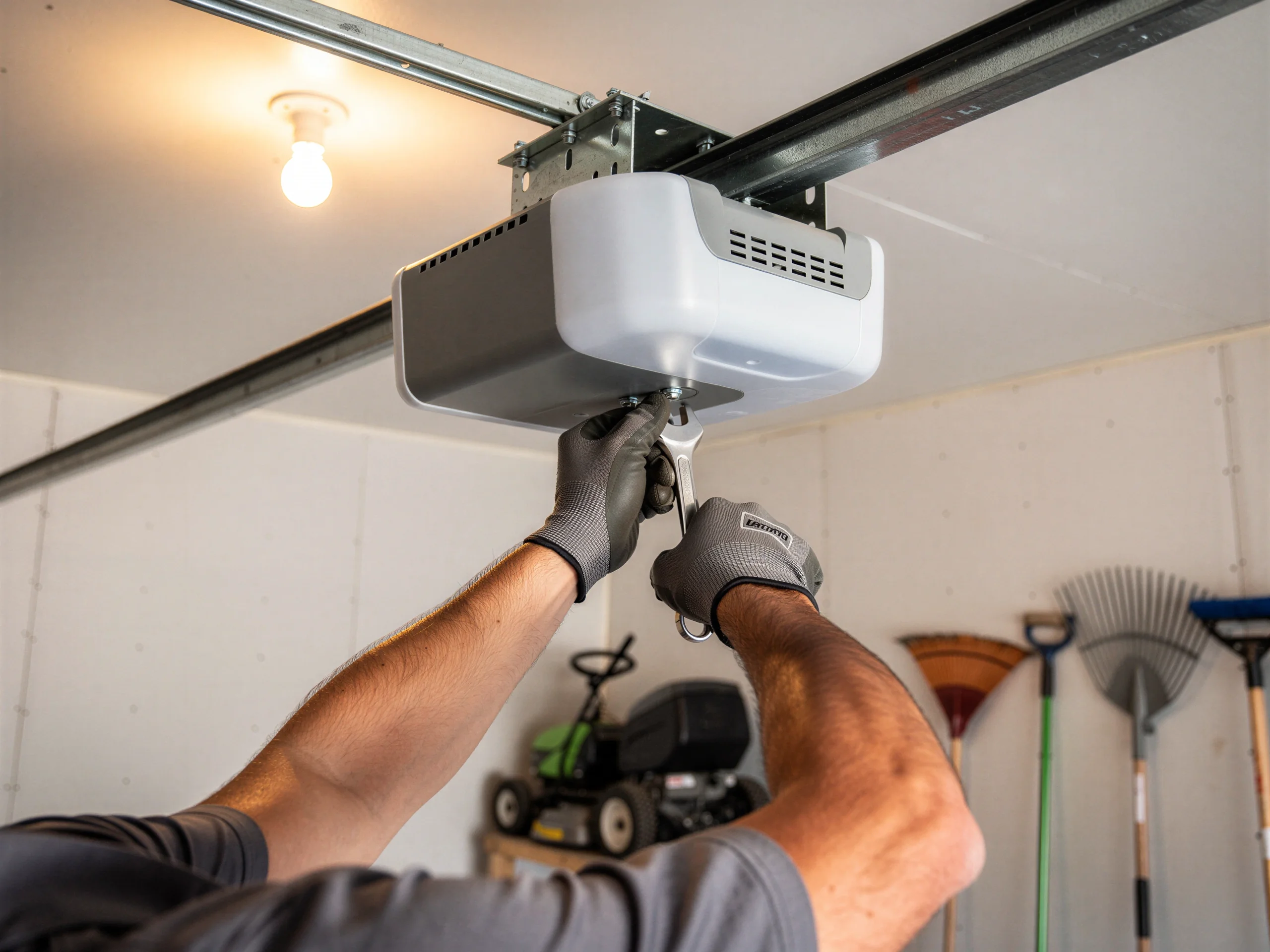
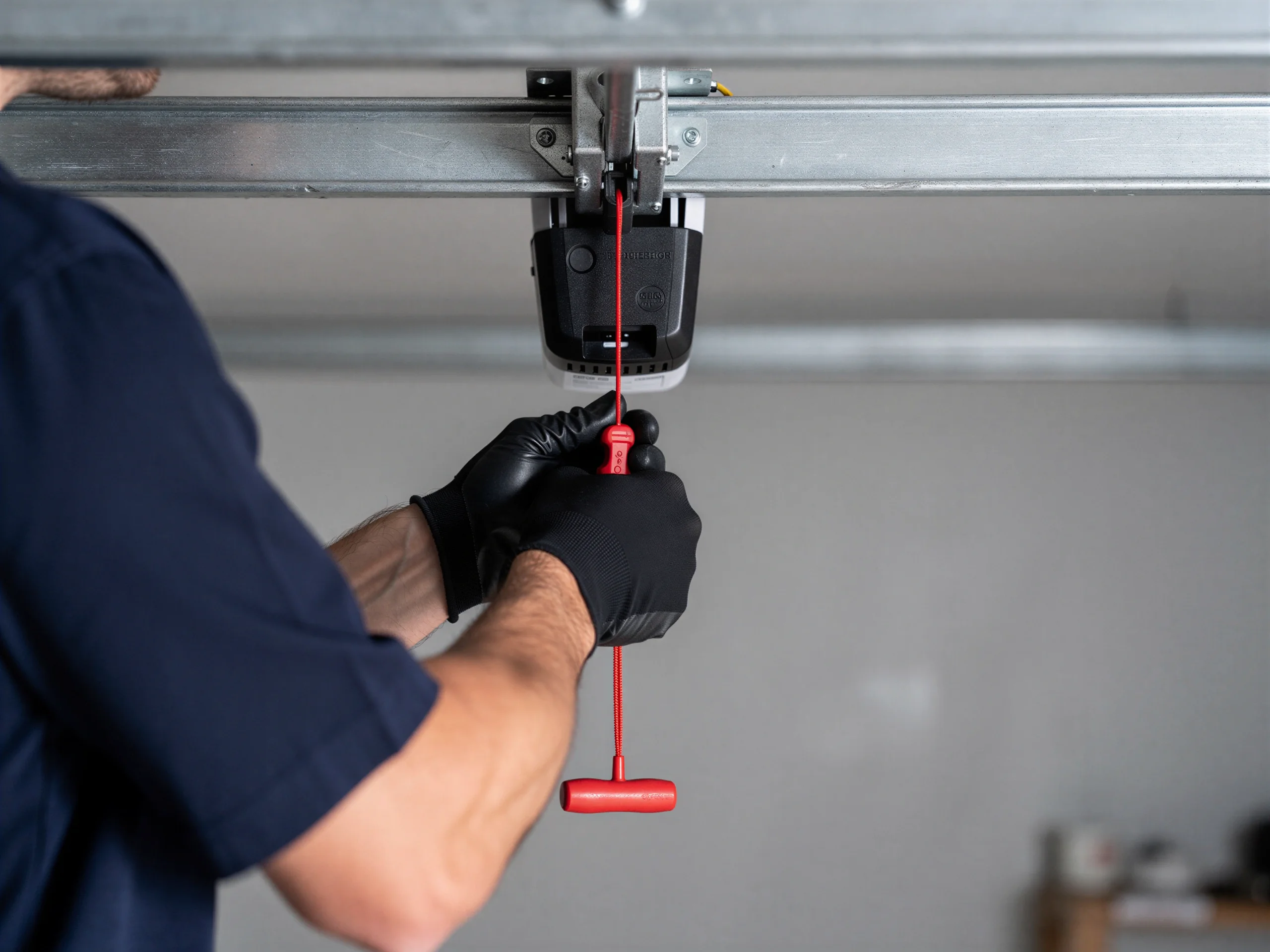
We don't do new construction installs tied to a builder's rough-in schedule, and we don't carry every obscure opener logic board on the truck - some of those have to be special-ordered, which can mean a few days' wait if your opener is an odd brand.
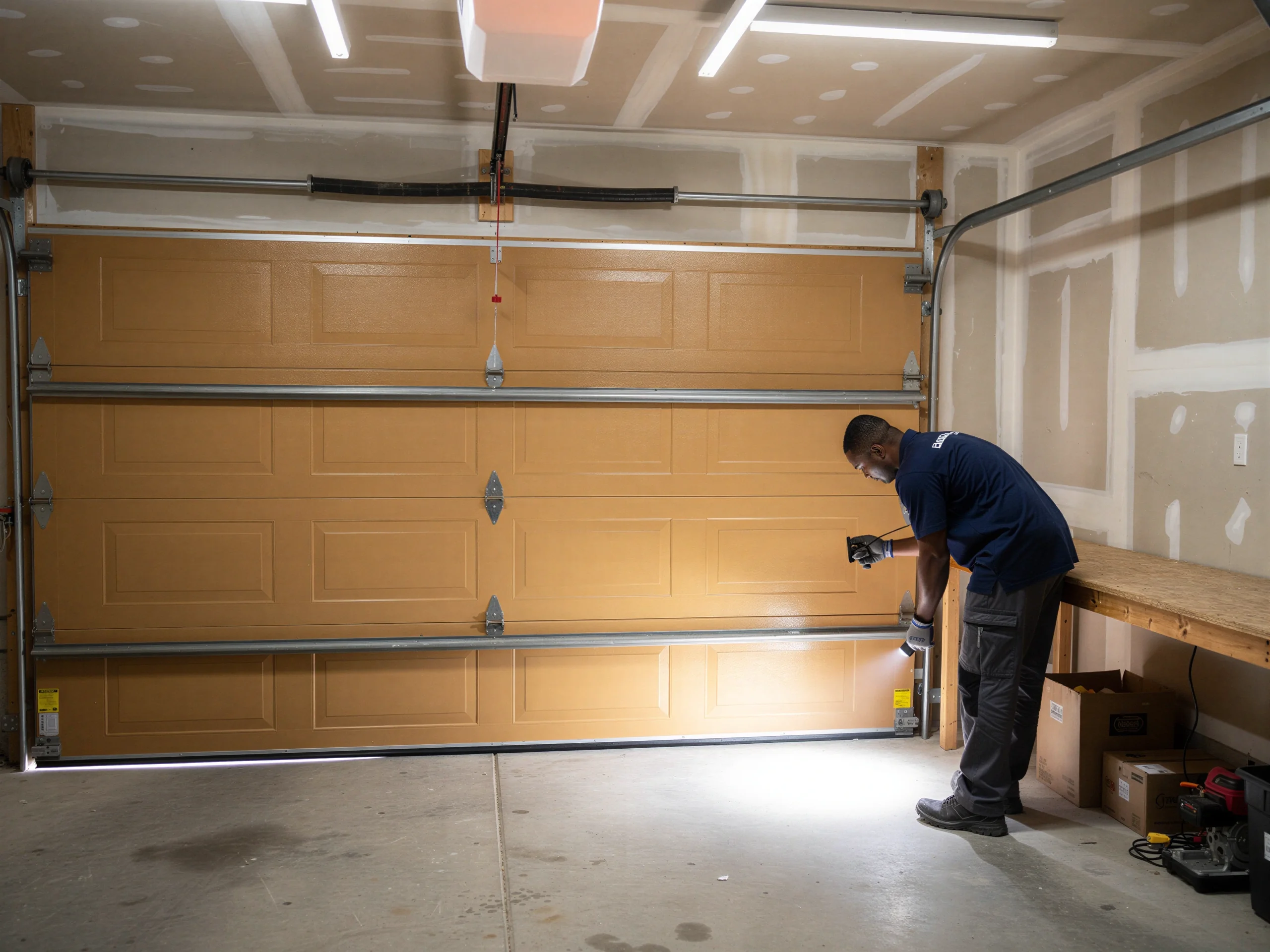
We also won't tell you to replace a door that just needs a spring, a roller set, or a new sensor; if the fix is cheap and the door is sound, we say so.
We don't do the kind of "full system replacement" upsell some companies lean on. A torsion spring job on a 1960s door in Derby is usually a spring job, not an excuse to sell you a whole new unit.
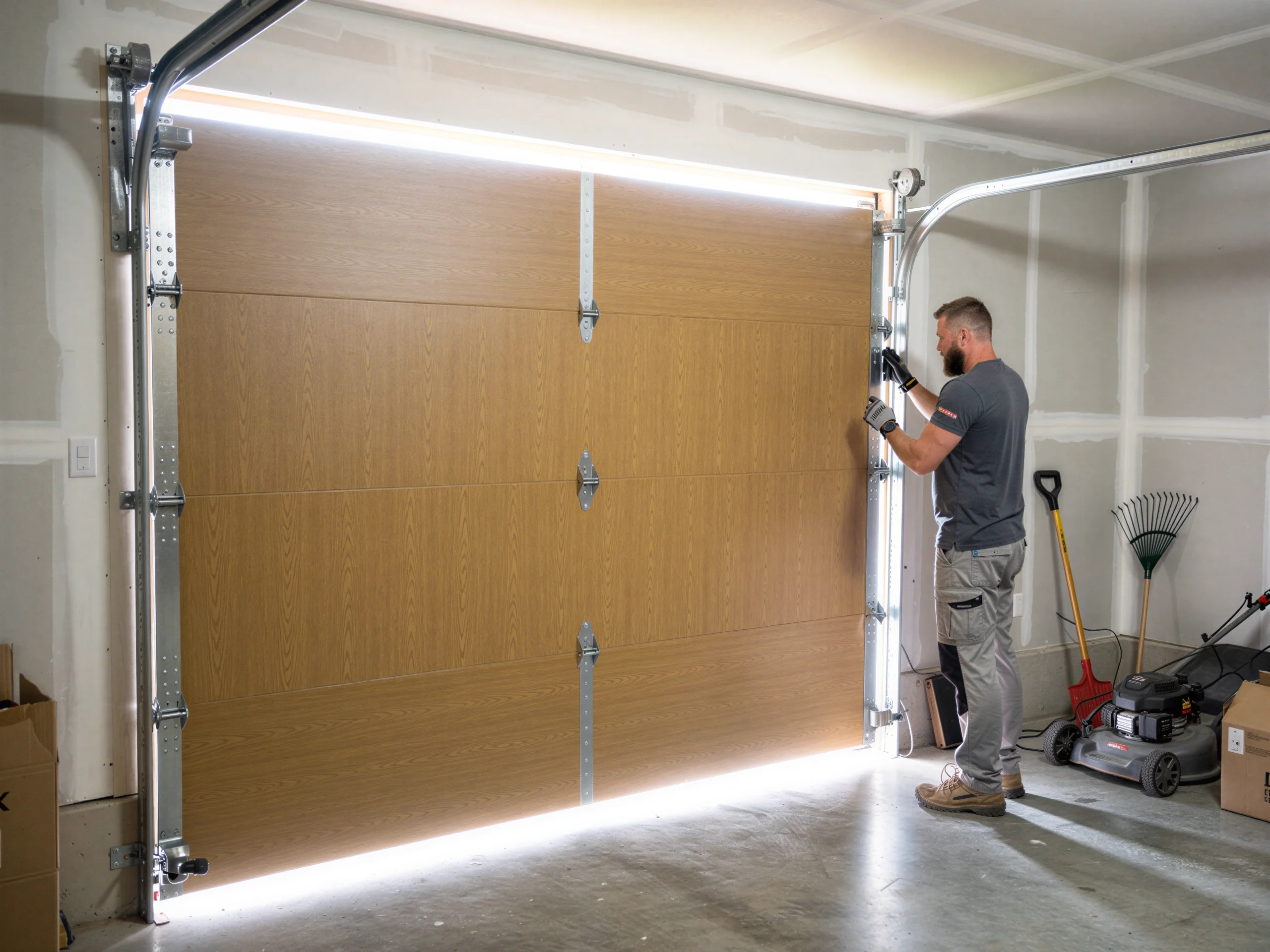
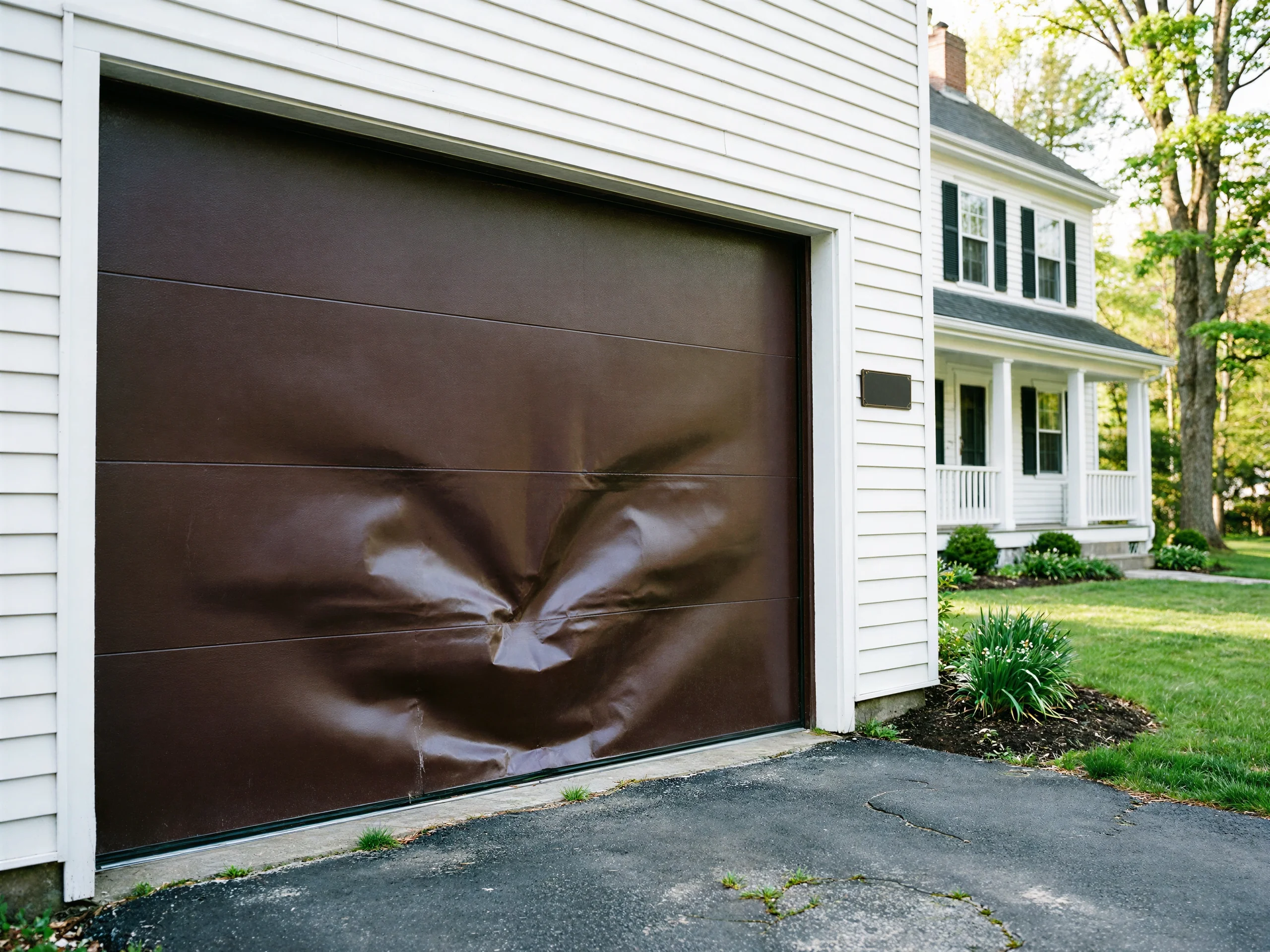
Where replacement actually makes sense - a panel rusted through, a track bent past straightening, a door original to a house built before 1970 - we'll explain why, with the specific part in front of us, not a script.
Local housing
Derby's housing stock centers on 1965 - about six years earlier than the median for our wider coverage area, which runs closer to 1971. That six-year gap matters more than it sounds like it should, because garage door hardware changed meaningfully between the early and late 1960s, and a door built right at the front edge of that run tends to carry an older generation of spring and track setup than a door built even a decade on.
With roughly 5,775 households in the area and a median household income near $76,263, a lot of these are original owners or second owners who kept the house's original door running as long as it would go, rather than swapping it out on a renovation schedule. That's not a guess about any one house - it's just what the build-year math tells us about what's likely still hanging in a lot of these garages.
We also serve this area as part of a climate band the federal data classifies as cold and severe, which is worth remembering before winter, not during it.
Door impact
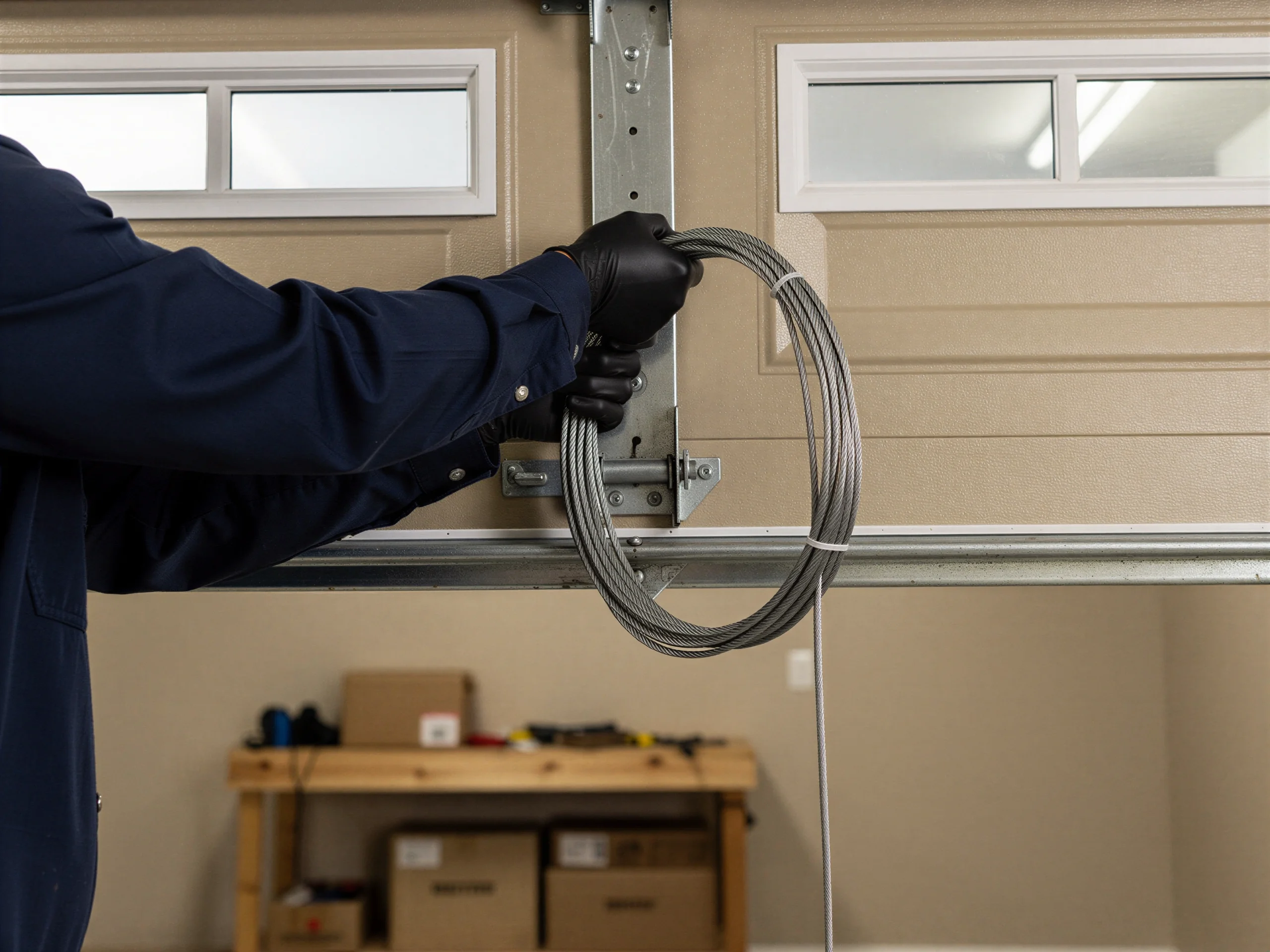
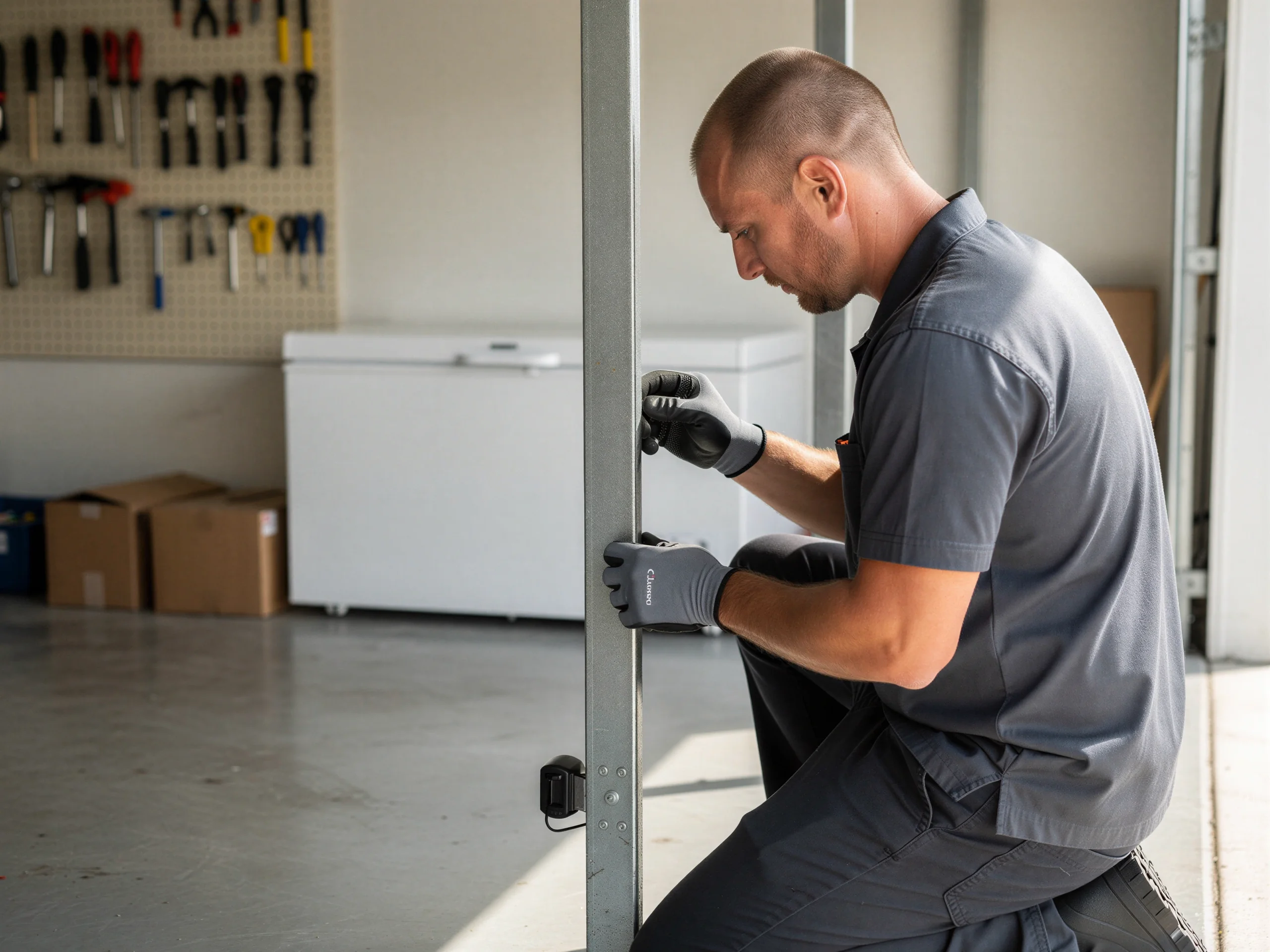
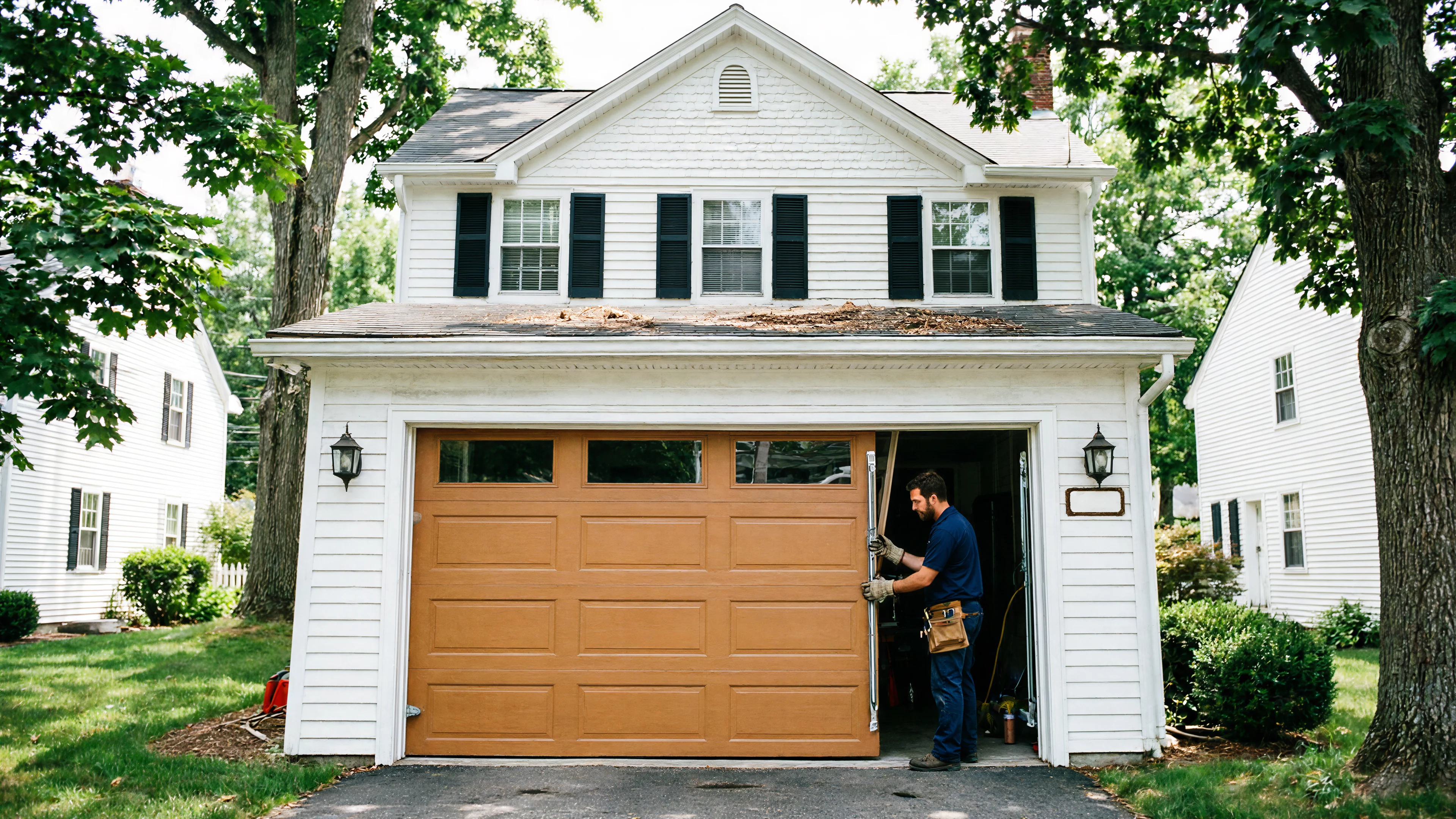
A door built around 1965 is almost always on a side-mounted torsion spring, not the center-mounted extension springs that became more common later in that decade and into the 1970s. If your opener was added later - and on a house this old, it usually was - the bracket and spring size don't always match what a newer opener expects, which is a common source of the grinding or sticking we get called out for.
Cold-and-severe winters are hard on anything original to a mid-60s build: steel that's thinned with age, weatherstripping long past useful, hardware that was never galvanized to today's standard. None of that means the door needs to go. It means the parts that fail first - rollers, cables, the spring itself - are worth checking before the season turns, not after a cable snaps on a ten-degree morning.
We don't assume every Derby door is the same age; some have been replaced, some haven't. But when we get a call from this area, 1965 is where we start looking.
Service areas
Questions
No. We're based in Milford, about 7 miles away, and travel out to Derby for jobs. We don't keep equipment staged here, so there's no local drop-in - just a truck coming from the shop.
Derby's housing centers on 1965, which is earlier than the median across our wider service area. Doors from that period often still have their original side-mounted torsion spring setup, which behaves differently than the newer center-mounted systems common in later builds.
Usually not, if the frame and track are straight. Most calls we get on 1960s-era Derby doors are a spring, roller, or cable fix. We'll tell you plainly if a panel or track is too far gone to be worth fixing rather than push a replacement by default.
Ready when you are
Milford Garage Door Pros repairs and installs garage doors, springs and openers in Milford, CT and the surrounding area.