Milford, CT
Garage Door Installation Built for Milford's Housing Stock
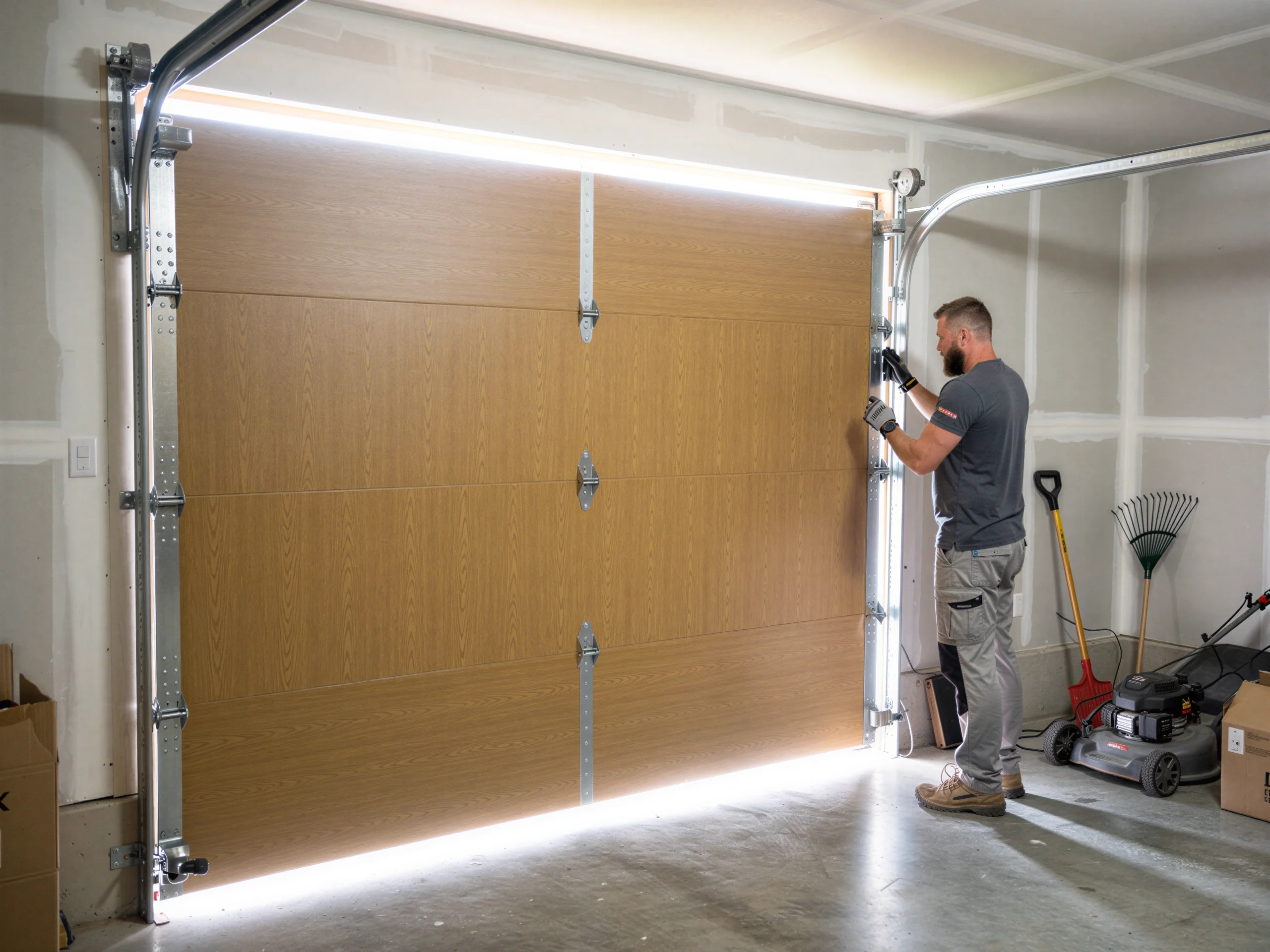
Milford's housing mostly dates to 1954-1986, and original garage doors and hardware are failing together. See why installation here differs from newer towns.
The Symptom
The door still goes up and down, but it takes more muscle than it used to, or the opener strains and reverses halfway through the cycle.
Slow structural decline
Sometimes it's a panel that's rusted through at the bottom, or a track that's pulled away from the jamb just enough to let the door walk sideways on its rollers. None of this is dramatic. It's the slow kind of failure that homeowners live with for a year before calling anyone, because the door still technically works.
Entire system outdated
What you're usually looking at isn't one bad part. It's an entire door system that was installed once, decades ago, and never touched since. The springs are undersized for today's heavier insulated panels. The track spacing was set for a door that's no longer available. The opener is older than the house's last two owners.
End of working life
When we get a call for "the door is acting up," it's rarely a quick fix - it's a door that's reached the end of its working life and needs a real replacement, not another patch. If your door is original to the house, or close to it, and it's starting to feel heavy, slow, or noisy, that's the symptom worth paying attention to before a cable snaps or a panel splits.
Why It Happens Here
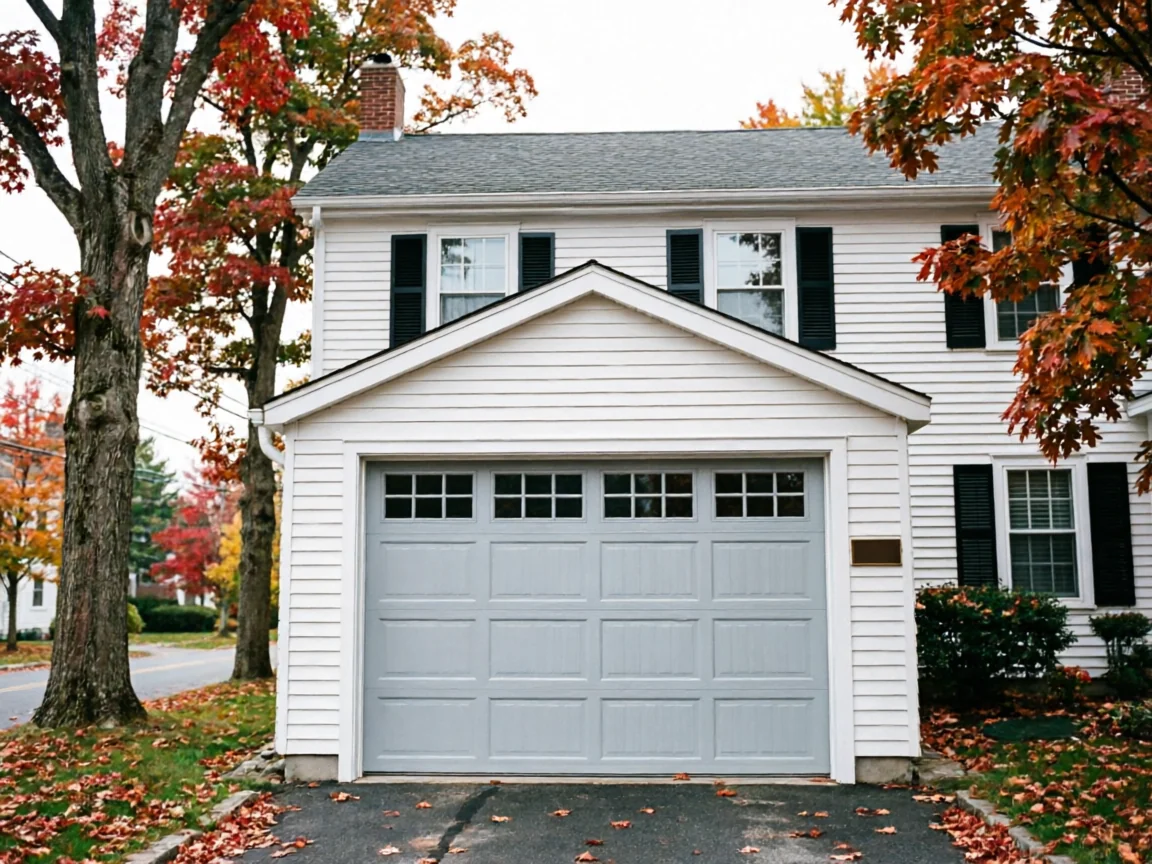
Milford's housing stock mostly went up between 1954 and 1986, with a median build year around 1971, and that's true across the 35 named neighborhoods and areas we see day to day. A garage door installed when a house was built, or even replaced once in the 1980s or 90s, is now well past any reasonable service life. Steel panels from that era weren't insulated the way doors are built today, torsion springs were sized for lighter single-layer doors, and a lot of openers from that generation have no modern safety reversal sensors at all.
The climate adds to it. This area sits in a cold, severe winter band, and a garage door takes that weather directly - the freeze-thaw cycle works on bottom seals, hardware, and any wood trim around the opening every single winter. A door built for 1971 standards wasn't engineered with today's insulation expectations or today's weatherstripping materials, so even one that still physically operates is usually leaking heat and cold straight into the garage, and often into a room above or beside it.
Put those two things together - a housing stock concentrated in one narrow build era and a climate that's hard on garage doors every winter - and you get a lot of homes hitting door failure and opener failure at roughly the same time, often within a few years of each other.
The Complications
Replacing a door that old isn't always a straight swap. Openings framed in the 1960s and 70s don't always match current standard door sizes, so a new door sometimes needs track and header adjustments that a newer house wouldn't require.
Side-mount torsion parts scarce
If the original hardware was side-mounted torsion, which was common in that era, the parts for it are hard to source now - most suppliers stock extension spring kits or center-mounted torsion setups instead, so a true like-for-like repair often isn't realistic. We'll also tell you plainly when a repair isn't worth doing.
Patches fail within seasons
If the door itself is original from that 1954-1986 build window and the opener is also original, patching one part usually just means the next part fails within a season or two. In that case we'd rather be straight with you about full replacement than bill you twice.
Limited obsolete stock
One honest limitation: we don't carry every obsolete track or spring size on the truck, especially the less common side-mount torsion hardware from older installs. If your house has that setup, there can be a short lead time to get the right parts in, and we'll tell you that up front rather than make you wait and wonder.
What You Pay
We don't post a flat number here because what you pay depends on the door size, insulation level, and whether your opening needs any framing or track work to fit a current standard door - and in a lot of Milford-area homes built in that 1954-1986 window, it does.
Standard size cheaper
A straightforward swap on an opening that's already standard-sized costs less than a job that also needs header or track modification. Household incomes in this area run well above the national median, and we see plenty of owners choose a fully insulated steel door with a new opener rather than spend twice over the next several years patching an original one through more cold winters.
Repair young doors first
That's a judgment call, not a rule - a door that's only a few years into its life is still worth repairing instead of replacing. We'll give you a real number after we look at your opening, not before.
Side-mount costs separated
If your hardware turns out to be the older side-mount torsion style, we'll flag that cost separately, since it can mean a part that's not sitting on the shelf.
Questions
Common questions
How old does a garage door have to be before replacement makes more sense than repair?
It depends on the door and opener together, not age alone. A lot of homes in this area still have doors and openers original to a 1954-1986 build. If both are that old, we'll usually tell you replacement is the better call, because the next failure after a repair tends to come fast.
Will a new door fit my old opening without extra work?
Sometimes, sometimes not. Openings framed decades ago don't always match today's standard door sizes, so we check the opening dimensions and existing track position before quoting. If adjustment is needed, we'll explain exactly what and why.
Why does my old door feel so much heavier in winter?
This area sits in a cold, severe climate band, and freeze-thaw cycles work on seals, hardware, and any wood trim around the opening every winter. An older door with worn weatherstripping and undersized springs feels that weather more than a properly insulated, correctly sprung door does.
Do you stock parts for older side-mount torsion hardware?
Not always on the truck. That hardware was common in houses built in the 1960s and 70s, but most suppliers now focus on extension spring kits or center-mounted torsion setups, so a side-mount part can mean a short wait while we source it.
Explore more
Explore More Services In Milford, CT
Garage Door Maintenance for Milford's 1960s and 70s Housing Stock
Milford homes built mostly between 1954 and 1986 wear out springs and rollers on a predictable clock. Learn more →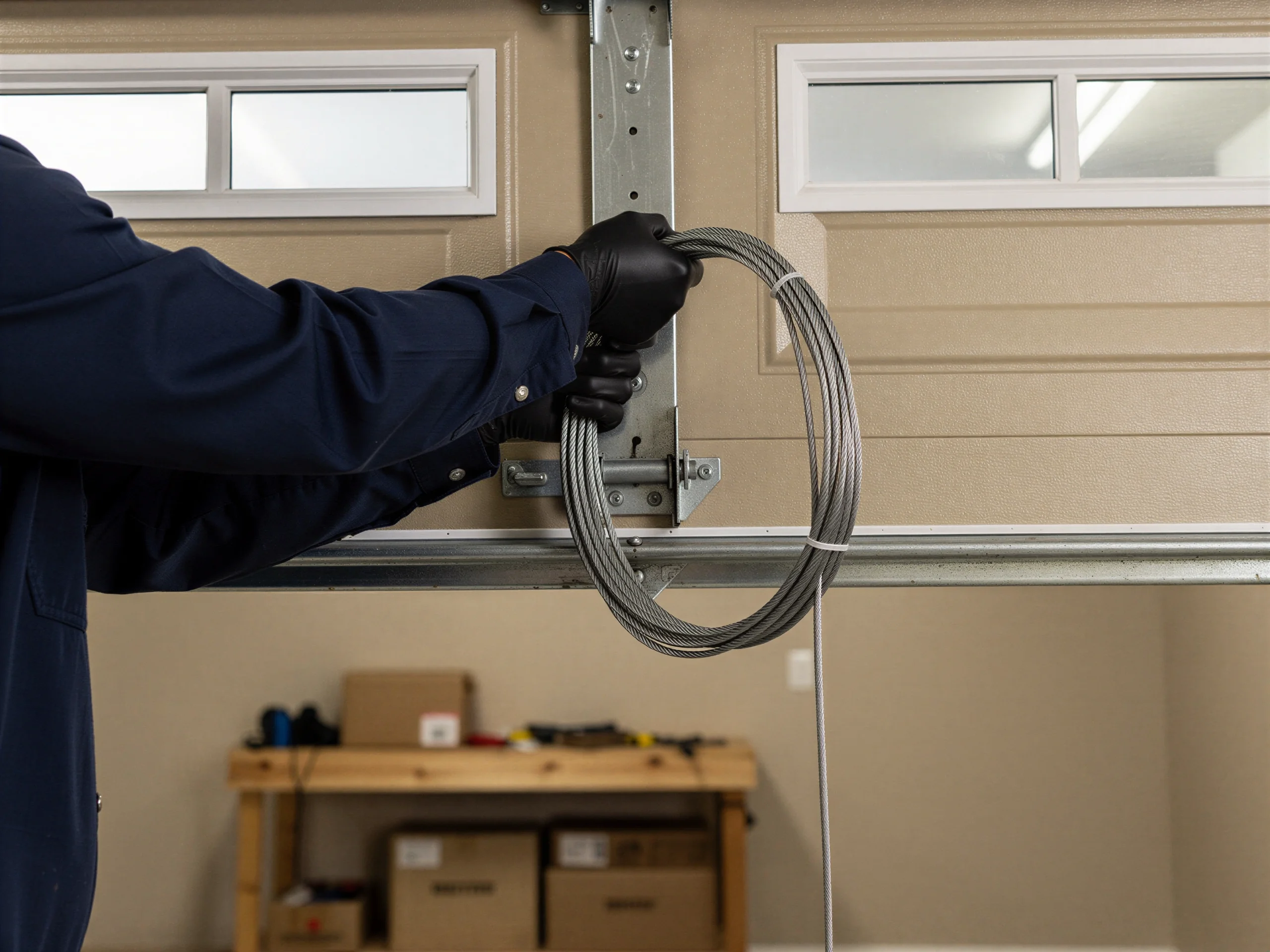
Garage Door Cable Repair for Milford Homes
Milford Garage Door Pros repairs snapped and frayed garage door cables on the original torsion hardware common in Milford homes built between 1954 and 1986. Learn more →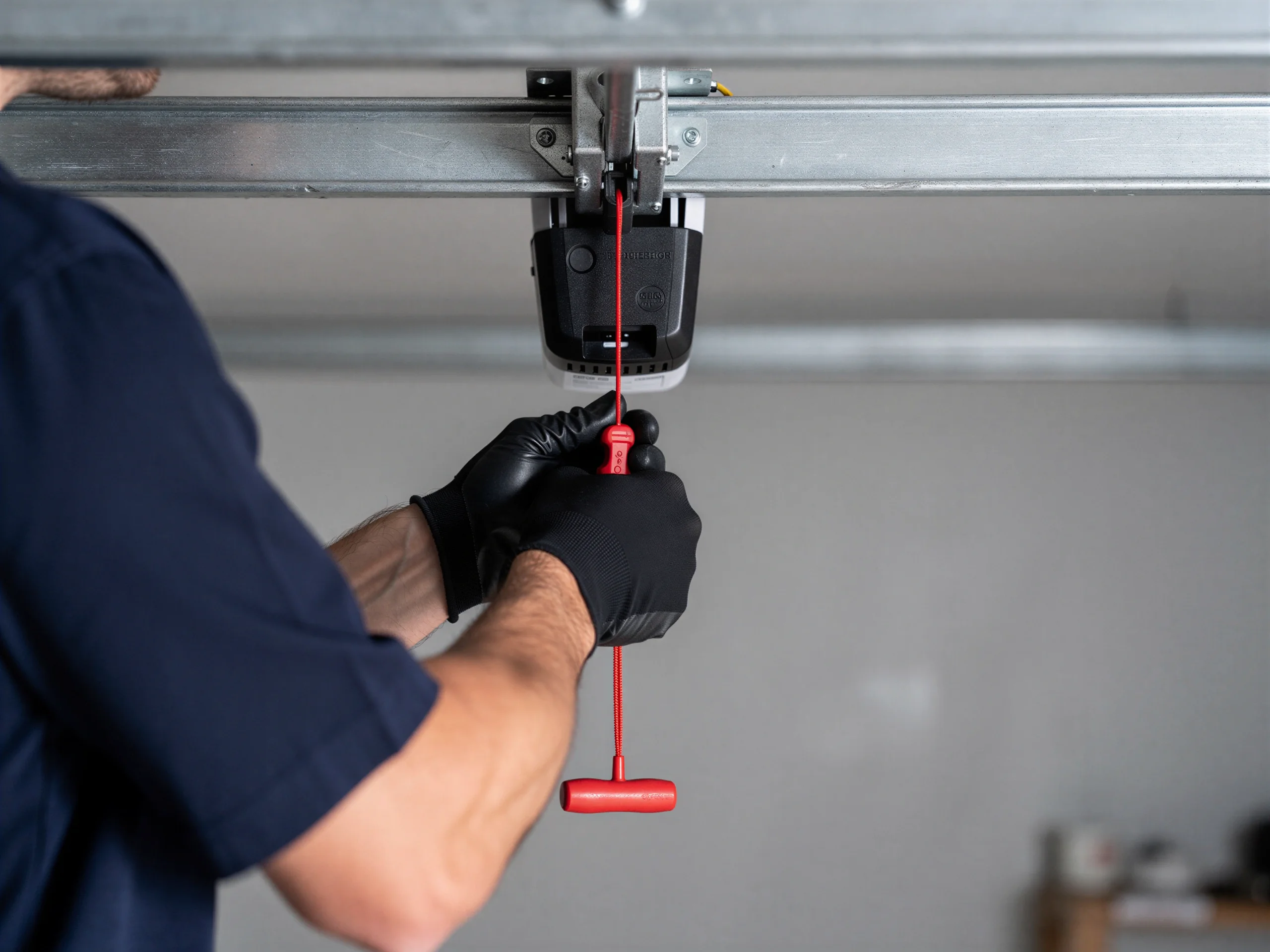
When Your Milford Garage Door Opener Stops Working Right
Opener grinding, reversing, or dead on a Milford garage door? Learn more →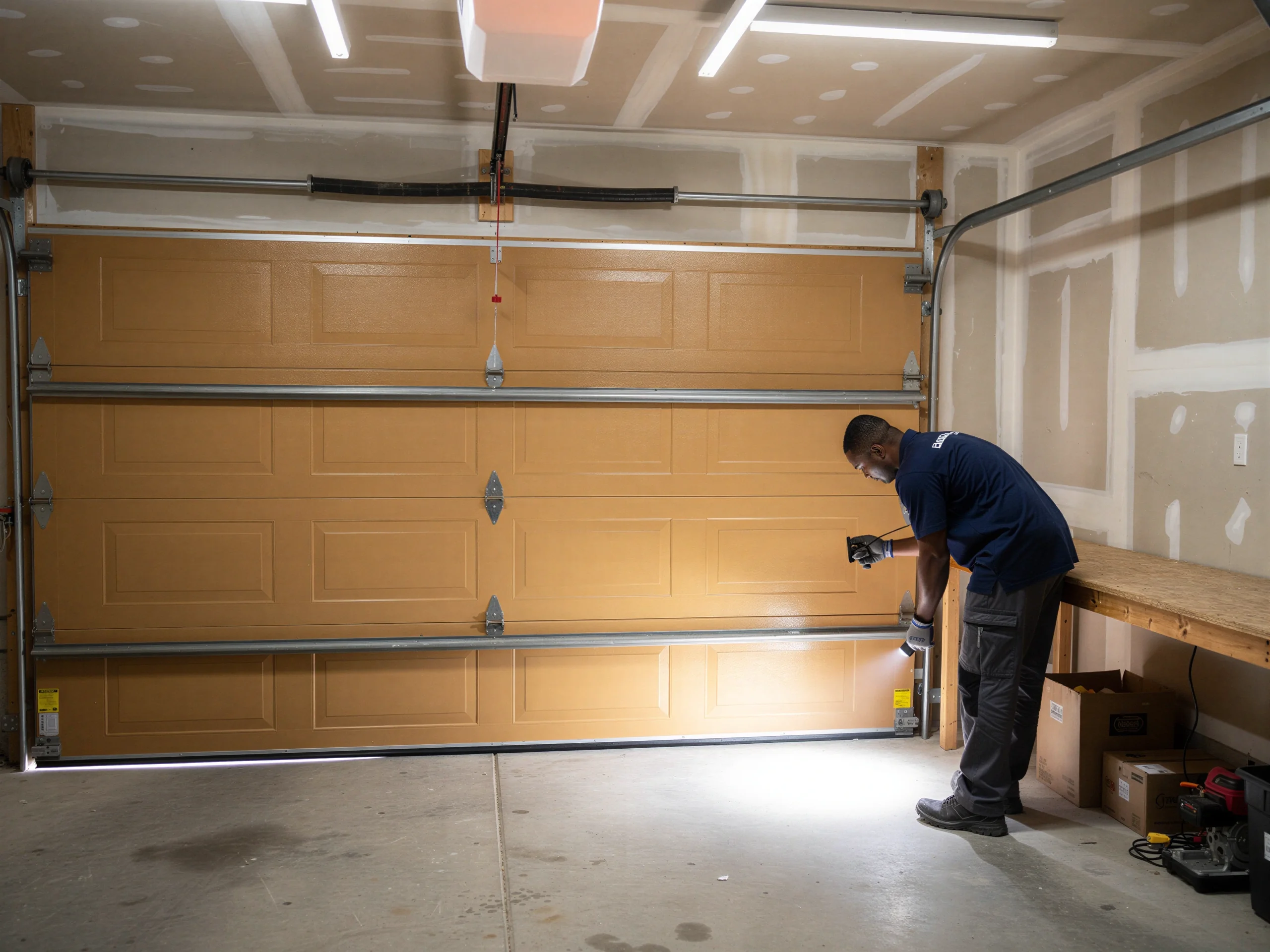
Fixing Garage Doors on Milford's 1960s and 70s Housing Stock
Garage door repair in Milford, CT for homes built 1954-1986 with original torsion hardware worn down by severe cold winters. Learn more →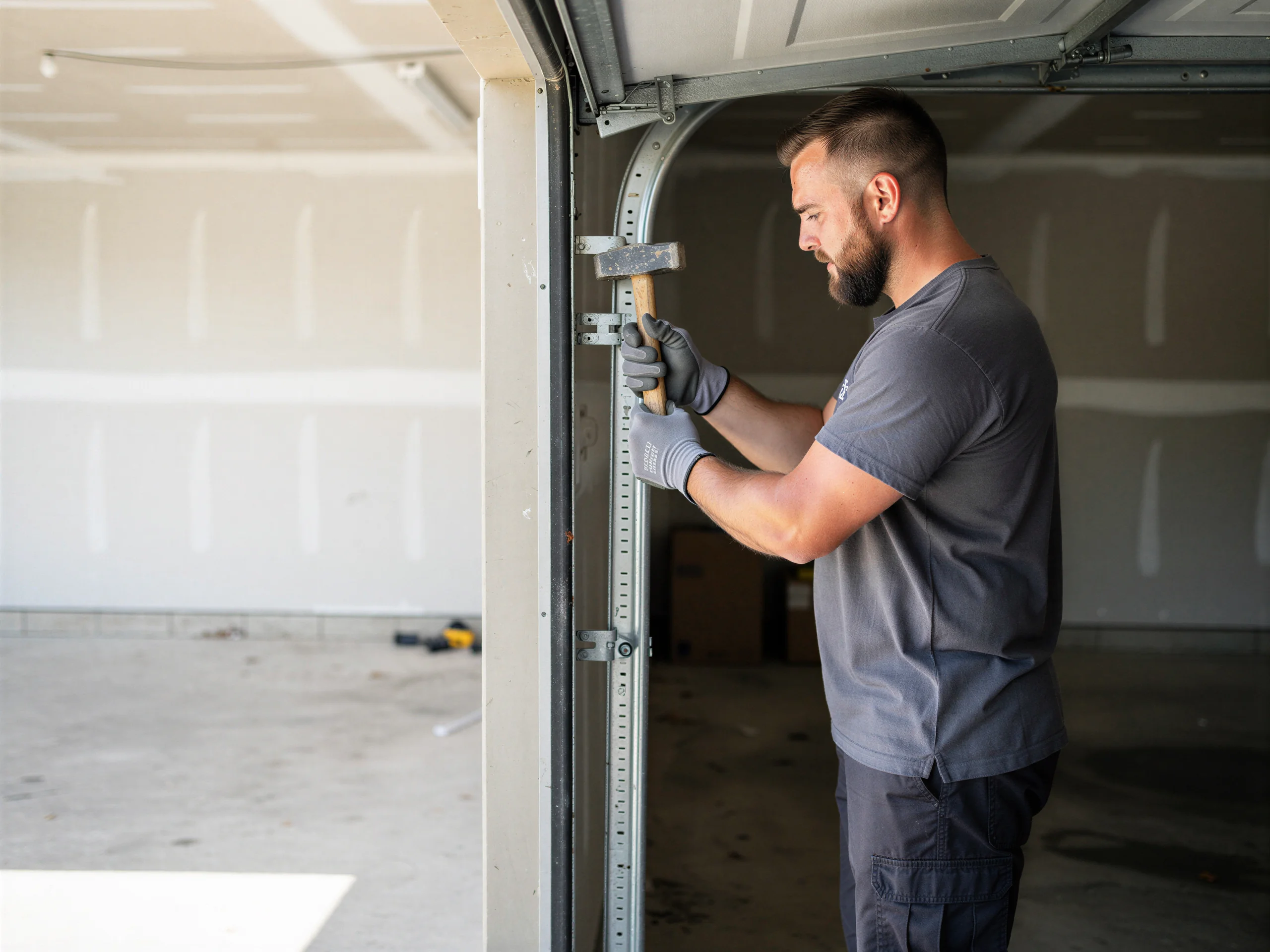
Garage Door Off Track: Why It Happens So Often in Milford
A garage door that's jumped its track is common in Milford's older housing stock. Learn more →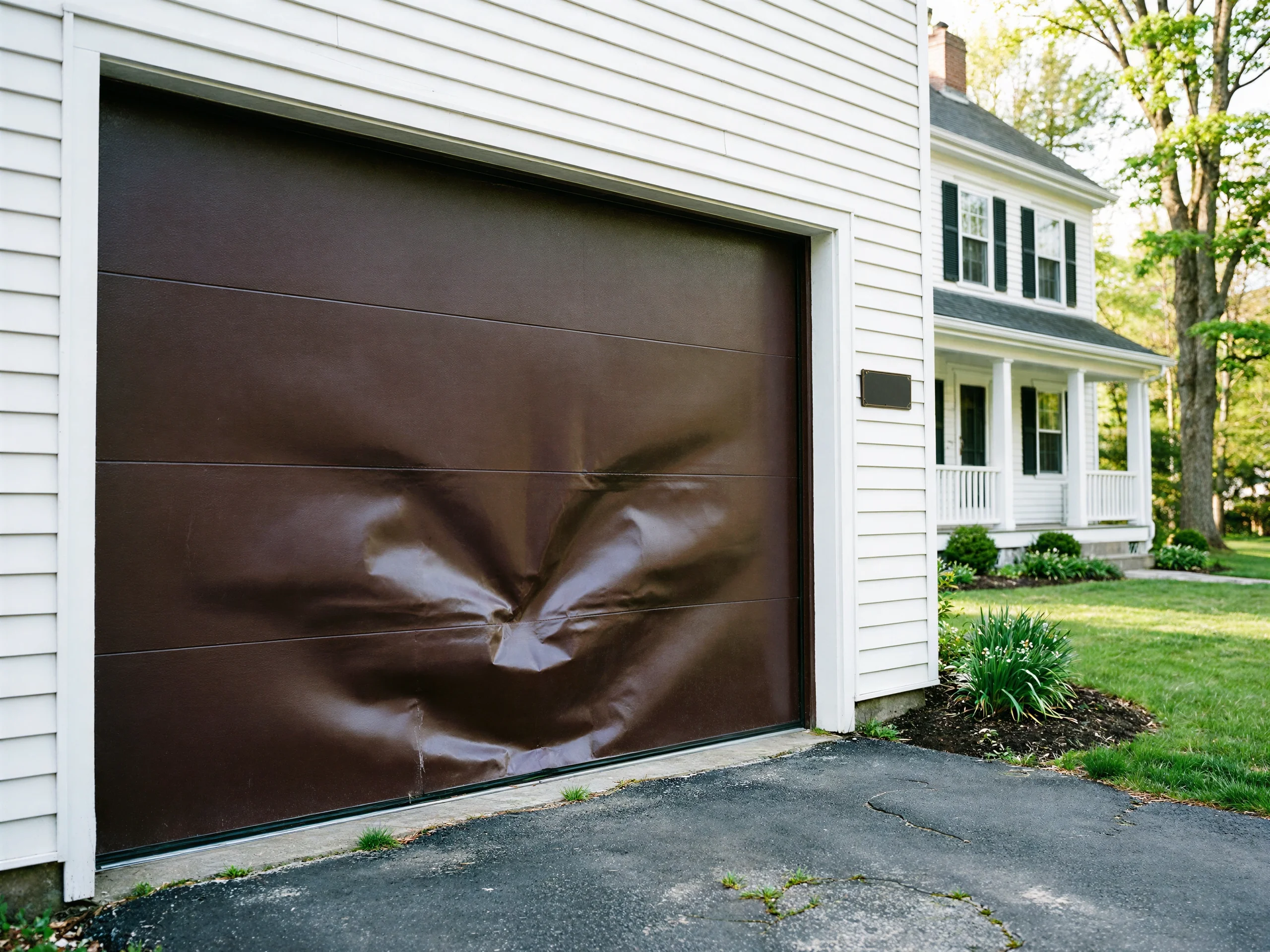
Garage Door Panel Replacement for Milford Homes
Dented or cracked garage door panels are common on Milford's 1960s-70s housing stock. Learn more →Ready when you are
Ready for a new garage door in Milford?
Milford Garage Door Pros repairs and installs garage doors, springs and openers in Milford, CT and the surrounding area.