
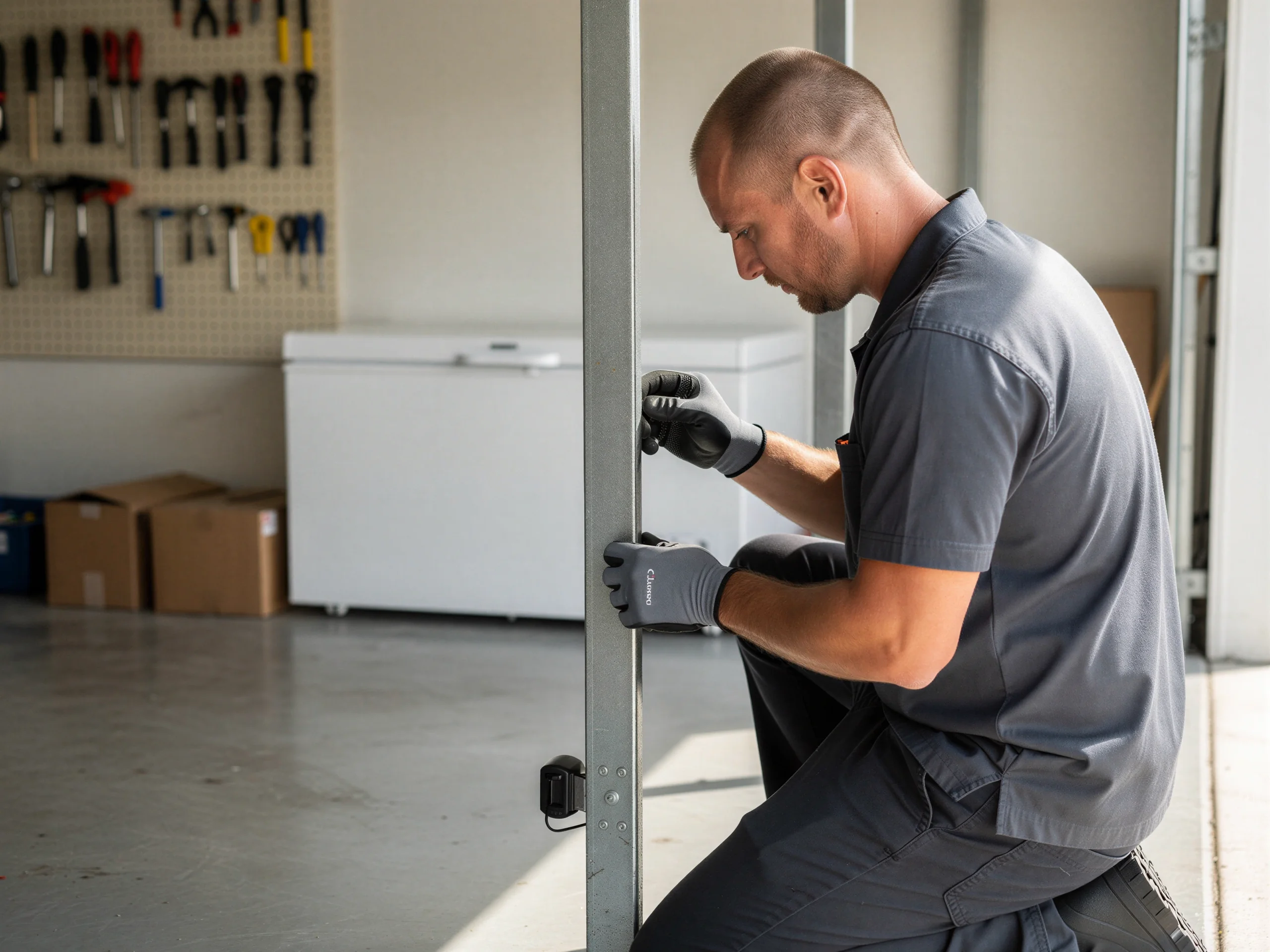
Milford, CT
Garage Door Maintenance for Milford's 1960s and 70s Housing Stock
Milford homes built mostly between 1954 and 1986 wear out springs and rollers on a predictable clock. Here's what maintenance actually catches before it fails.
The Symptom
The door still opens, but it's not the door it was a year ago. It groans going up, the opener strains at the top of the cycle, or the whole panel shudders when the spring takes the load.
Wear before failure
None of that is a failure yet. It's wear, and wear on a schedule is exactly what maintenance is for. What we see most in Milford isn't a sudden broken spring call out of nowhere - it's a door that's been telling the owner something for months. A roller that's gone from smooth to clicking.
Early warning signs
A cable with a little slack that wasn't there last spring. An opener that used to reverse instantly on an obstruction and now hesitates. These are symptoms of a door running dry, running loose, or running on hardware that's thirty, forty, fifty years past its install date and has never been adjusted since.
Aging garage hardware
The houses across this service area were mostly built between 1954 and 1986, median year 1971, which means a lot of original garage hardware is still out there doing its best on bearings and springs that were never meant to run five decades without service. That's not a flaw in the door. It's just time, and nobody told it to ask for help.
Why It Happens Here
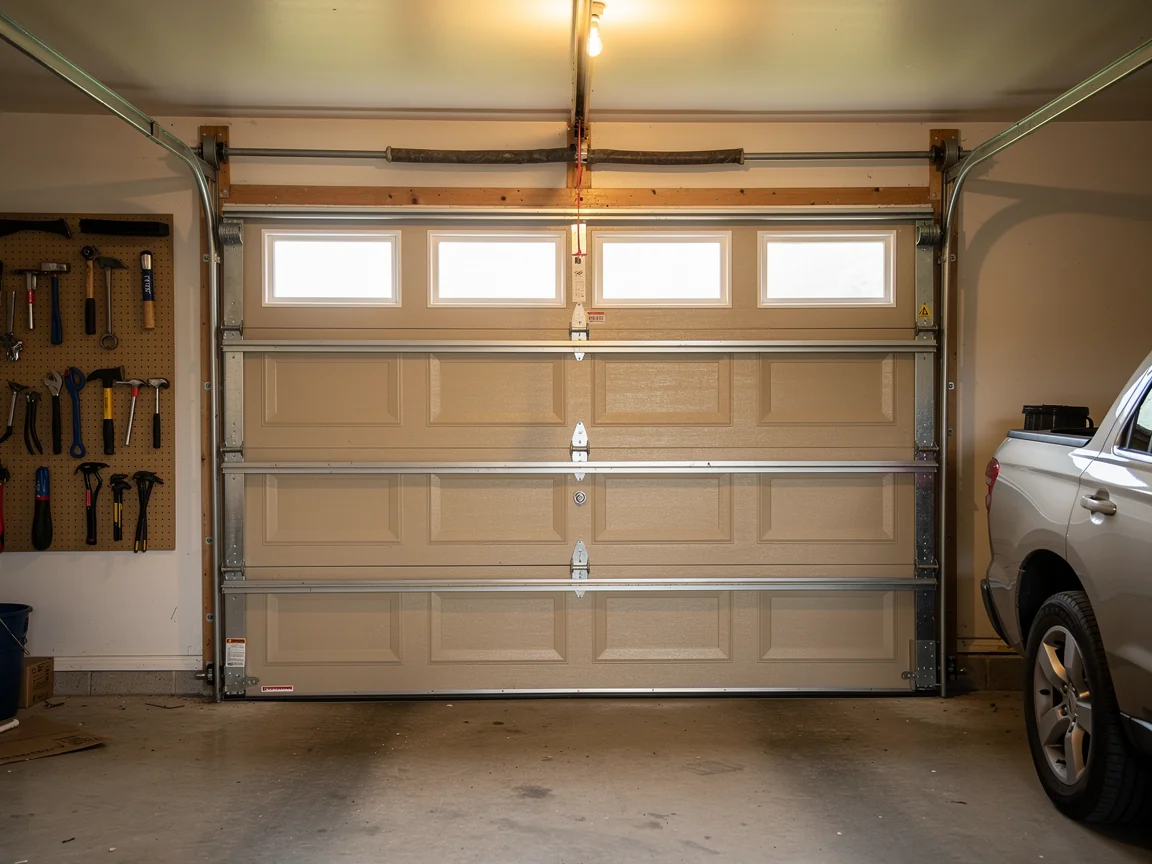
Two things push wear faster here than they would in a milder, newer market. First, the housing stock: with most homes in the service area dating to the 1960s and 70s across the 35 communities we cover, a huge share of garage doors are either original equipment or a single replacement installed decades ago on the original track and opener mounts. Torsion springs rated for a certain cycle count don't know how old the house is - they just wear out, and on a door that old, they're often well past it.
Second, the climate. This is a severe cold band, and that matters for garage doors in a specific way: metal contracts in deep cold, lubricant thickens or washes out, and a spring already near end-of-life loses tension faster when it's cycling through freeze-thaw swings all winter. A door that was marginal in October can be the 6 a.m. no-go in January.
Put those two together - older hardware, harder winters - and you get a service area where routine maintenance isn't optional upkeep, it's the difference between a $20 lube-and-adjust and a spring snapping with the car trapped inside on the coldest morning of the year.
The Complications
A maintenance visit on a door this age isn't always a clean tune-up. Original hardware from the 1960s and 70s sometimes doesn't match anything on the truck - older torsion setups, discontinued track brackets, openers with wiring that predates modern safety sensors.
Obsolete part replacement
We can service what's there, but if a part is genuinely obsolete, the honest answer is sometimes replacement of that one component rather than a repair that won't hold.
Skipped visits compound
Another complication: a door that's been skipped for years often has more than one thing wrong at once - a worn roller masking a cable that's starting to fray, an opener compensating for a spring that's lost tension.
Long gaps bring surprises
Maintenance catches these early, but if a door's gone five or ten years without a look, the first visit may turn up two or three items instead of one. We'll tell you which ones matter now and which can wait. We don't push a full system replacement on a door that just needs lubrication and an adjustment. If the fix is small, we do the small fix.
What You Pay
We don't post a flat maintenance price here because the right visit depends on the door - a single door with original 1970s hardware takes longer to inspect properly than a double door with a ten-year-old opener.
What a visit covers
What we can tell you is how we scope it: a maintenance call covers spring tension check, track and roller inspection, cable condition, opener force and safety reversal test, and lubrication of moving hardware. Call and we'll quote the visit based on your door, your opener, and whether it's single or double.
Annual check mindset
Homeowners across this service area - with a median household income around $126,807 and over 133,000 owner-occupied houses in the area we cover - tend to treat garage door maintenance the way they treat furnace service: a once-a-year check that's cheap compared to the emergency it prevents. That's the right instinct.
After-hours spring emergencies
A broken torsion spring call, after hours, in a cold snap, costs more than catching the same spring at 80% tension in a scheduled visit. If your door is original to a house built in that 1954-to-1986 window, say so when you call. It changes what we check first.
Questions
Common questions
How often should I get my garage door serviced in Milford?
Once a year is the standard we recommend, more often if your door is original hardware from the 1960s or 70s or if it sees heavy daily use. Given the severe cold winters here, a fall tune-up before the freeze-thaw cycle starts is the single best-timed visit you can book.
Will maintenance fix a door that's already making noise?
Often, yes - a lot of noise complaints come down to dry rollers, loose hardware, or a spring that needs a tension adjustment, all of which a maintenance visit addresses directly. If the noise points to a cracked panel or a cable close to failure, we'll flag that as a repair item rather than folding it into routine service.
Is my original 1970s garage door hardware still serviceable?
Usually, yes. Most torsion springs, tracks, and rollers from that era can still be adjusted, lubricated, and kept running safely. Where we run into trouble is specific discontinued parts - in that case we'll tell you plainly if replacement of just that component makes more sense than forcing a repair.
Does cold weather really affect garage door springs that much?
Yes. In a severe cold climate like this one, metal contracts and lubricant thickens, which puts more strain on a spring that's already near the end of its cycle life. A spring that held fine in September can fail in a January cold snap if it wasn't checked beforehand.
Explore more
Explore More Services In Milford, CT
Garage Door Service for Milford's 1960s and 70s Housing Stock
Milford homes built mostly between 1954 and 1986 carry original hardware that struggles in cold. Learn more →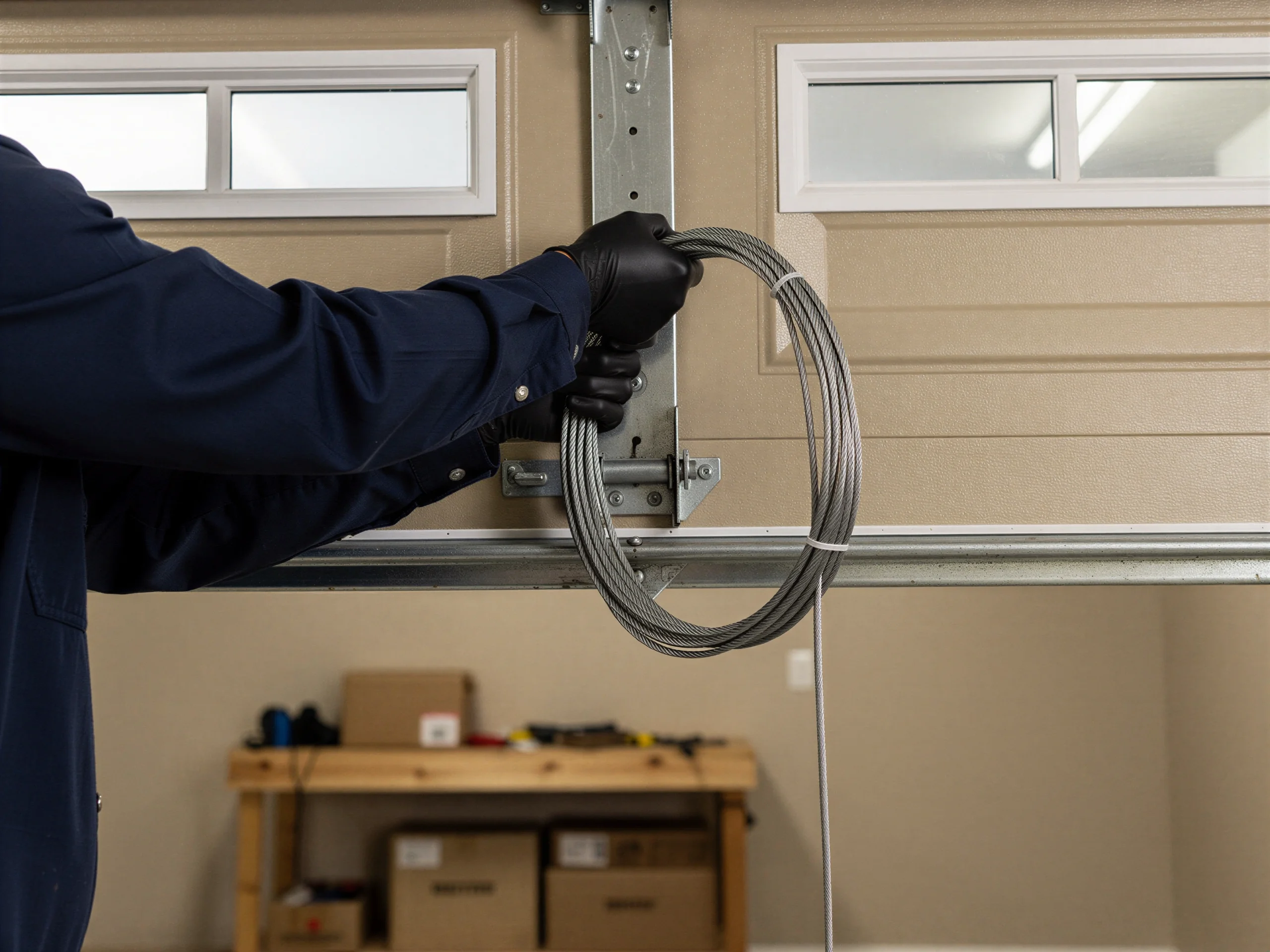
Garage Door Cable Repair for Milford Homes
Milford Garage Door Pros repairs snapped and frayed garage door cables on the original torsion hardware common in Milford homes built between 1954 and 1986. Learn more →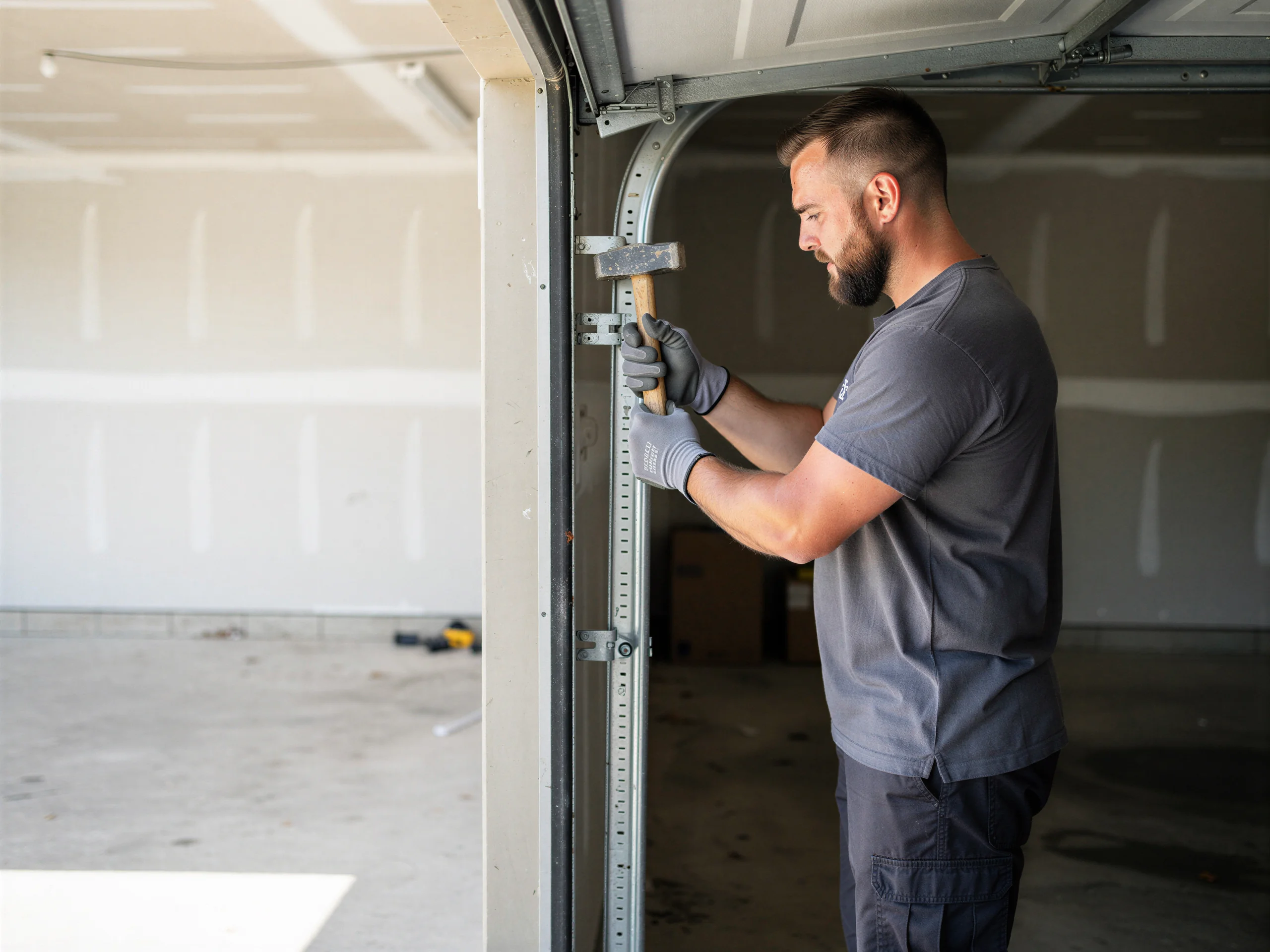
Garage Door Off Track: Why It Happens So Often in Milford
A garage door that's jumped its track is common in Milford's older housing stock. Learn more →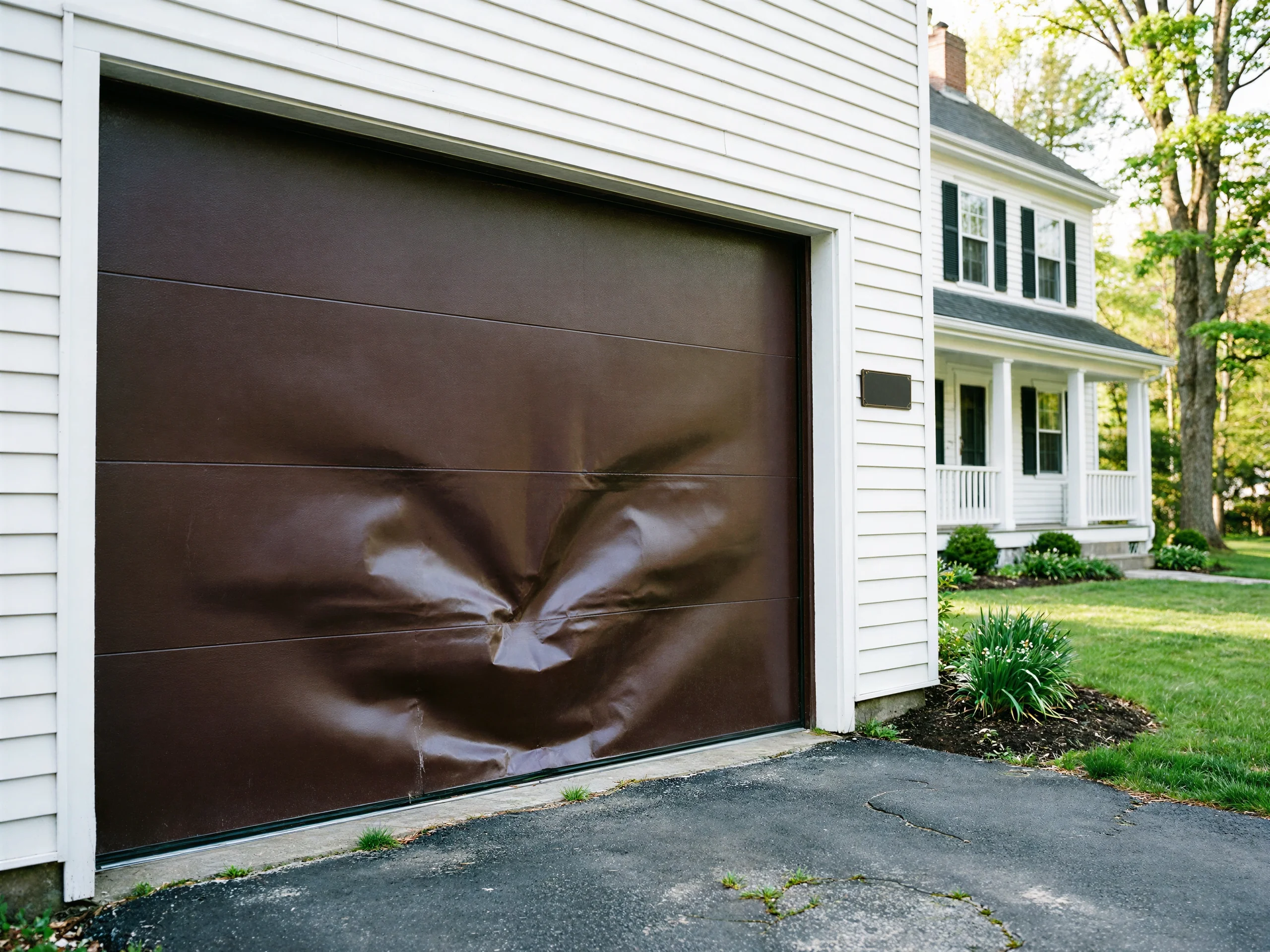
Garage Door Panel Replacement for Milford Homes
Dented or cracked garage door panels are common on Milford's 1960s-70s housing stock. Learn more →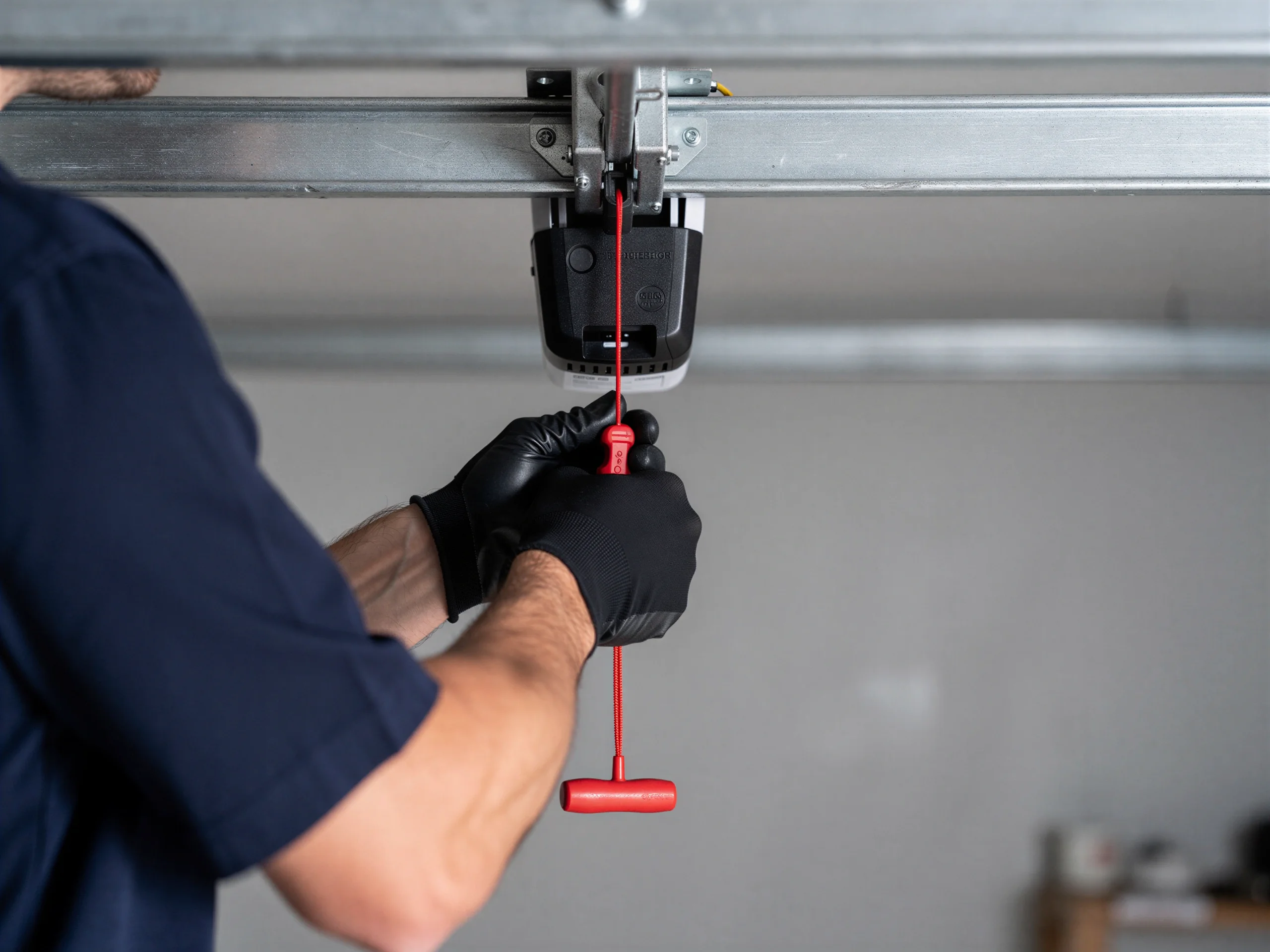
When Your Milford Garage Door Opener Stops Working Right
Opener grinding, reversing, or dead on a Milford garage door? Learn more →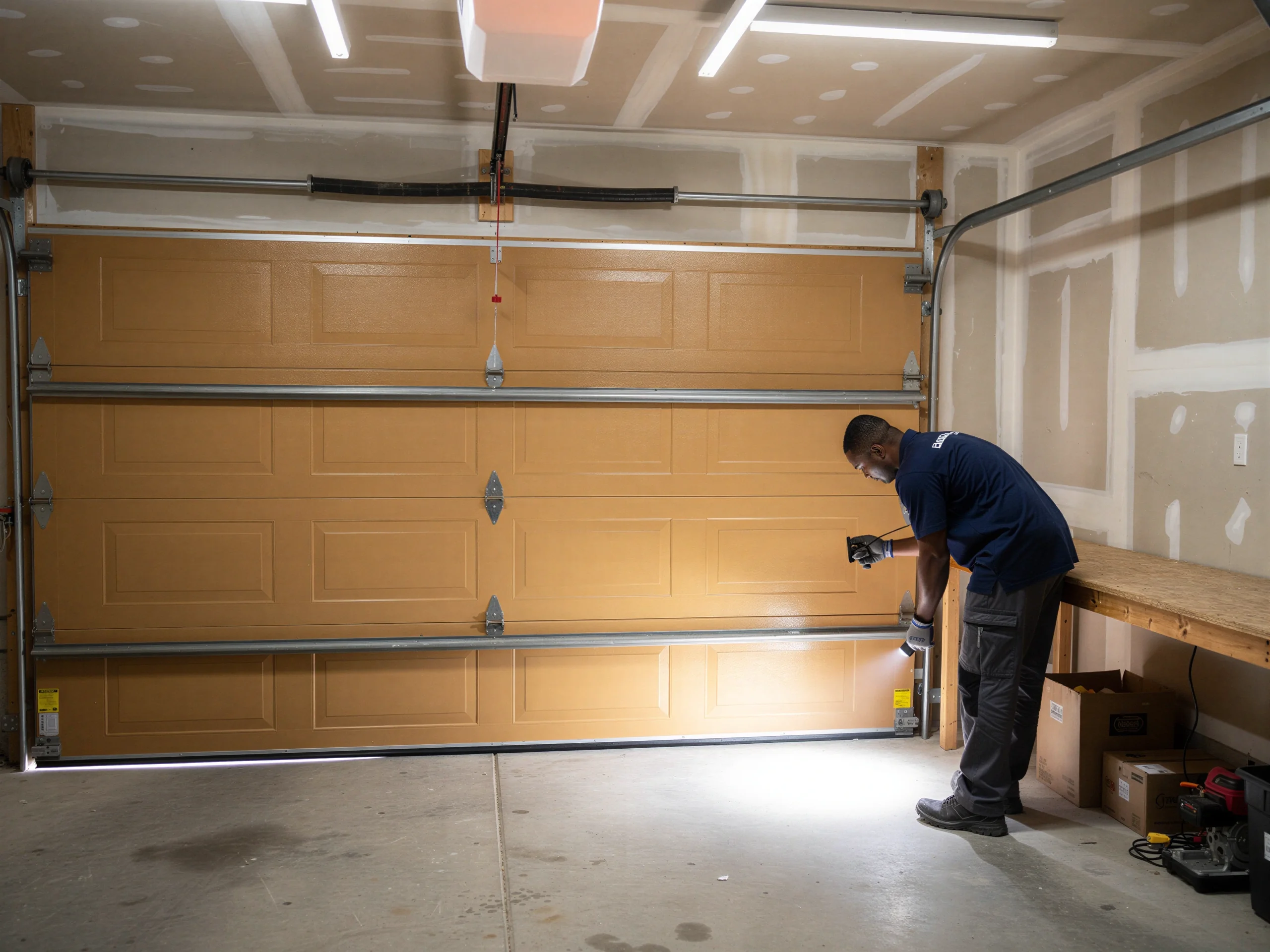
Fixing Garage Doors on Milford's 1960s and 70s Housing Stock
Garage door repair in Milford, CT for homes built 1954-1986 with original torsion hardware worn down by severe cold winters. Learn more →Ready when you are
Time for a garage door tune-up in Milford?
Milford Garage Door Pros repairs and installs garage doors, springs and openers in Milford, CT and the surrounding area.