 Why Milford's Older Housing Stock Loses Springs in a Cold Snap
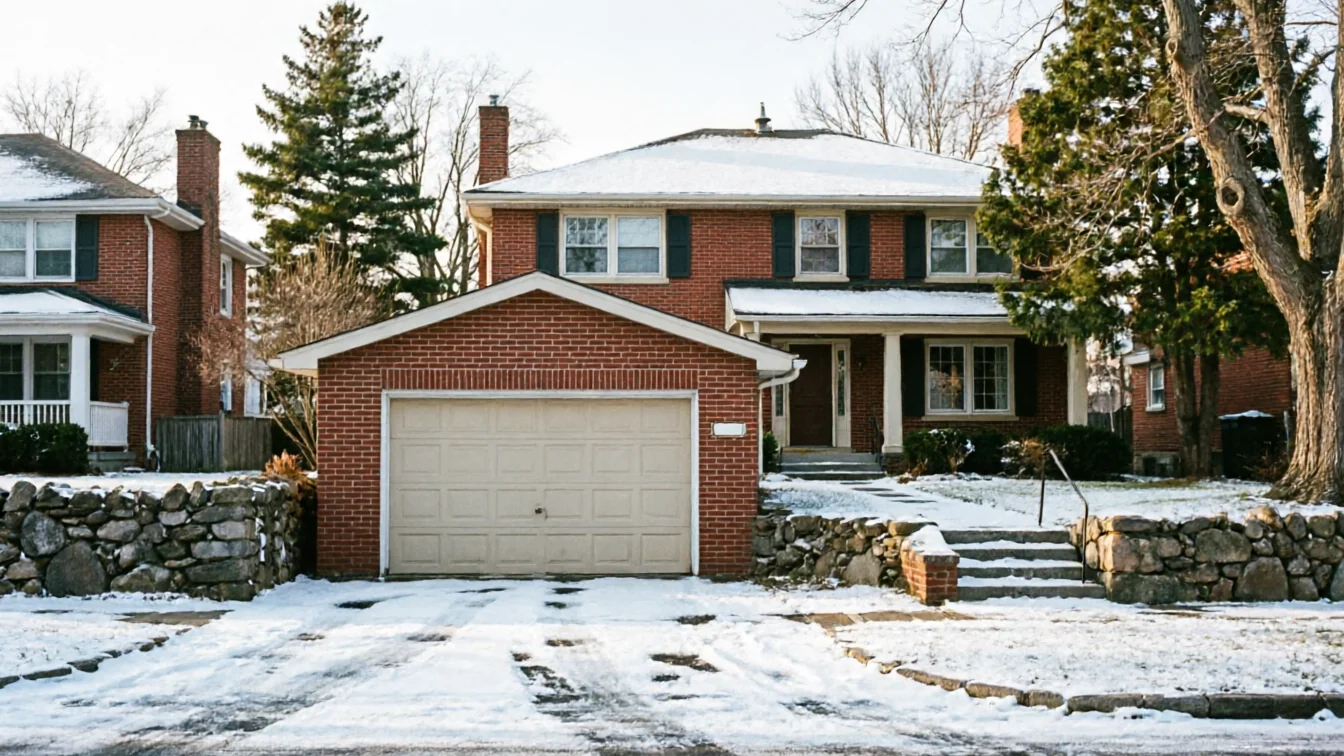
Milford homes built mostly between 1954 and 1986 have torsion springs that fail more often in sharp cold snaps.
BlogMilford, CT · 4 min read
Why Replacing a Garage Door in Milford Isn't a One-Size Job
Milford homes built mostly between 1954 and 1986 often have garage openings sized for older standards and thin insulation - know this before replacing yours.
Local detail
How Local Conditions Play In
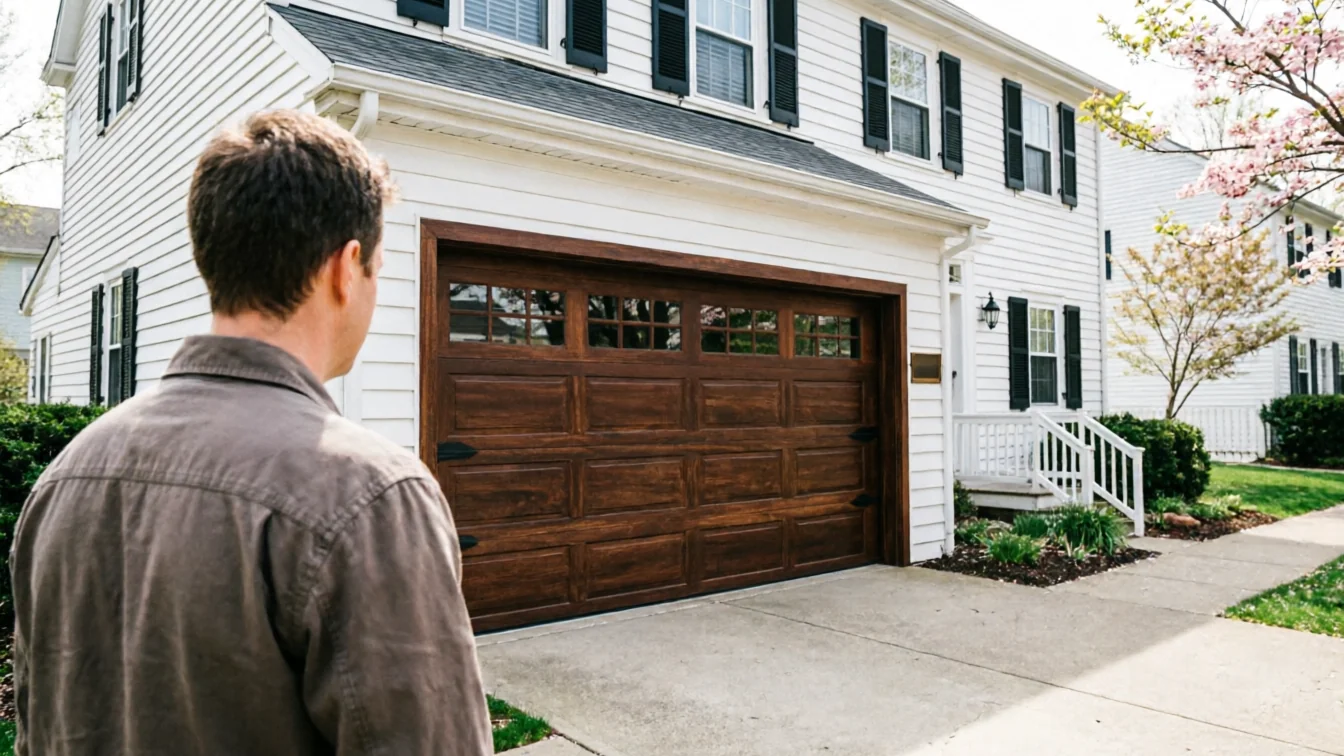
Most houses in this part of Connecticut went up between 1954 and 1986, with the typical build year sitting around 1971. That matters more than people think when it's time to replace a door. The rough opening framed behind your current door was built to a spec from that era, not to whatever width a big-box store stocks today. Across the dozens of neighborhoods in and around Milford that share this same 1960s and 1970s housing wave, the pattern repeats: original single-car or narrow double openings, steel or wood jambs that have settled over fifty-plus years, and headers that weren't engineered with a heavier insulated door in mind. On top of the age factor, this is a cold-climate zone with a severe winter rating. A door that isn't rated for that - thin skin, no thermal break, minimal core - will perform fine in a showroom and poorly in your driveway by January. Replacing a door here means solving two problems at once: fitting a modern door into an old opening, and picking a door built for real cold, not just a mild one.
The area
Where People Go Wrong
The most common mistake is treating this like a simple swap - measure the old door, order the same size, done. On a house from the 1971 era, that assumption skips the part where the track, the header, and sometimes the jamb itself have shifted or were never squared to current standards in the first place. People order a standard 16-foot double, and it either doesn't seat right or needs a carpenter before the installer can even start. Median household income in this area runs around $126,807, which means most owners here can afford a door that's actually built for the climate - insulated core, sealed bottom, a track system rated for daily cycling in cold weather. But a lot of people still default to the cheapest option on the shelf because nobody walked them through why the opening needs a second look first. The other mistake: assuming insulation is optional. In a severe cold zone, an uninsulated door isn't a cosmetic downgrade, it's a door that will frost on the inside and make the attached garage noticeably colder than it needs to be.
What we find
Leaving It Alone
Not every door on a house this old needs replacing. If the spring, track, and opener are in working order and the panels aren't rusted through or warped, repair is usually the cheaper and faster answer, and we'll say so rather than push a full replacement. Where we draw a line: once a panel has rotted or rusted at the bottom corners, or the door is binding on a track that's been reshaped by decades of settling, patching it stops being worth the labor. One honest limitation worth stating plainly - insulated doors built to handle a severe cold rating aren't something we keep stacked in the shop in every size. Custom widths for older openings often mean a lead time measured in weeks, not days, because they're ordered to spec rather than pulled off a shelf. If you're hoping for same-day replacement on a non-standard 1960s opening, that's not realistic, and we'd rather tell you that up front than have you find out after the old door is already off its hinges.
How we work
The Problem
Put the two facts together - housing stock that's mostly fifty to seventy years old, and a climate that punishes anything not built for real cold - and you get a replacement job that looks simple on paper and isn't. The door itself is the easy part to pick. The opening it has to fit into is the part that trips people up, because it was framed before today's standard door widths and insulation requirements existed. Skip the measuring step and you end up with a door that either doesn't fit cleanly or fits but underperforms all winter. That's the actual problem homeowners in this area run into: not finding a door, but finding the right door for an opening that's older than most of the people buying for it.
Questions
Common questions
Will a standard replacement door fit my garage from the 1960s or 70s?
Not always without adjustment. Houses from that build era often have openings, jambs, or headers that don't match today's standard door widths. We measure the actual opening before ordering anything, because assuming a stock size will fit based on the door's original label is how jobs get delayed.
Do I need an insulated door in Milford?
Given the severe cold rating for this climate zone, an insulated core makes a real difference - less frost on the inside panel, a warmer attached garage, and less strain on the door's hardware during temperature swings. An uninsulated door will work, but it won't perform well through a full winter here.
How long does it take to get a replacement door once I order?
It depends on the size. Standard sizes are usually quick. Custom widths to match an older opening, especially insulated ones, often run several weeks because they're built to spec rather than kept in stock. We'll give you a realistic number before you commit, not an optimistic one.
Is it worth repairing my old door instead of replacing it?
Often yes. If the spring, track, and opener are sound and the panels aren't rotted or badly rusted, repair costs less and takes less time. We only recommend replacement once the structure itself - panels, hinges, track alignment - is past the point where patching holds up.
Recommendation
You Might Also Like
More garage door guides for Milford homeowners.
Why Milford's Older Housing Stock Loses Springs in a Cold Snap
Milford homes built mostly between 1954 and 1986 have torsion springs that fail more often in sharp cold snaps.
 What Milford's Older Housing Stock Means for Your Garage Door
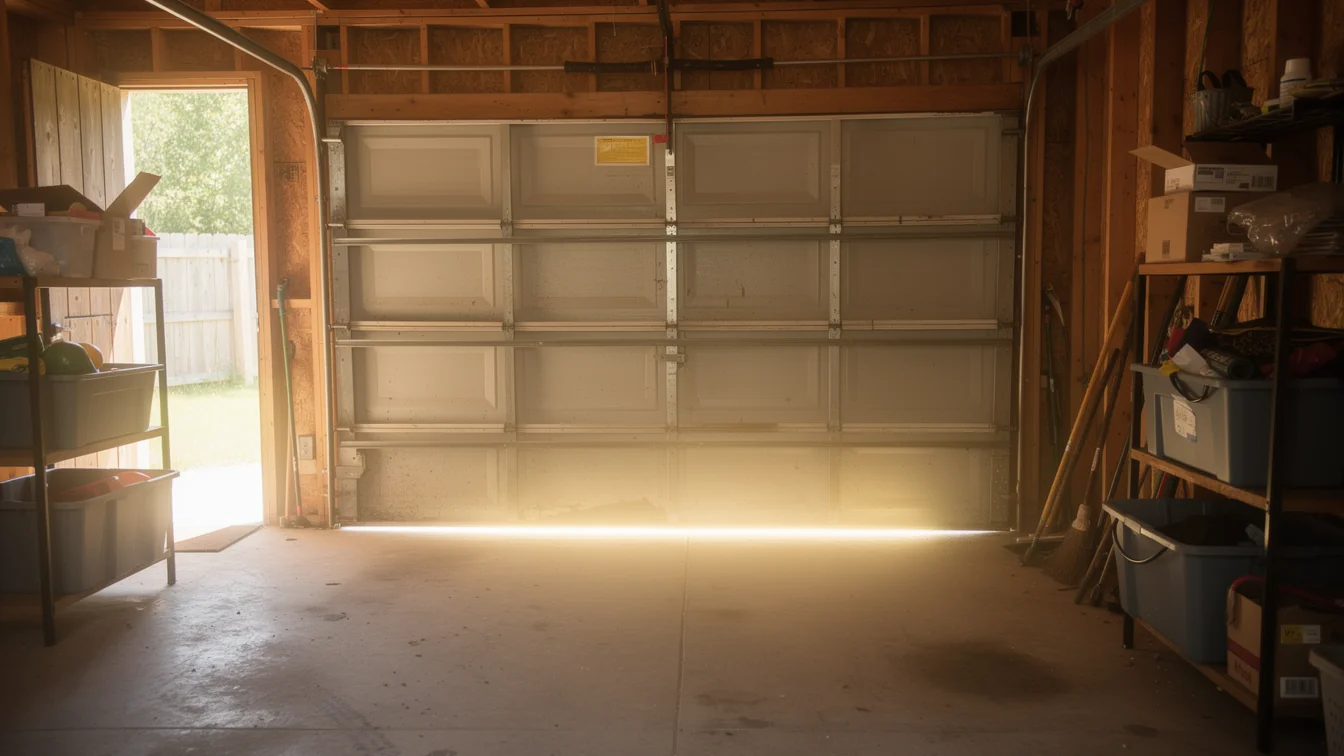
Milford's housing stock mostly dates to the 1960s and 70s, built before insulation codes existed.
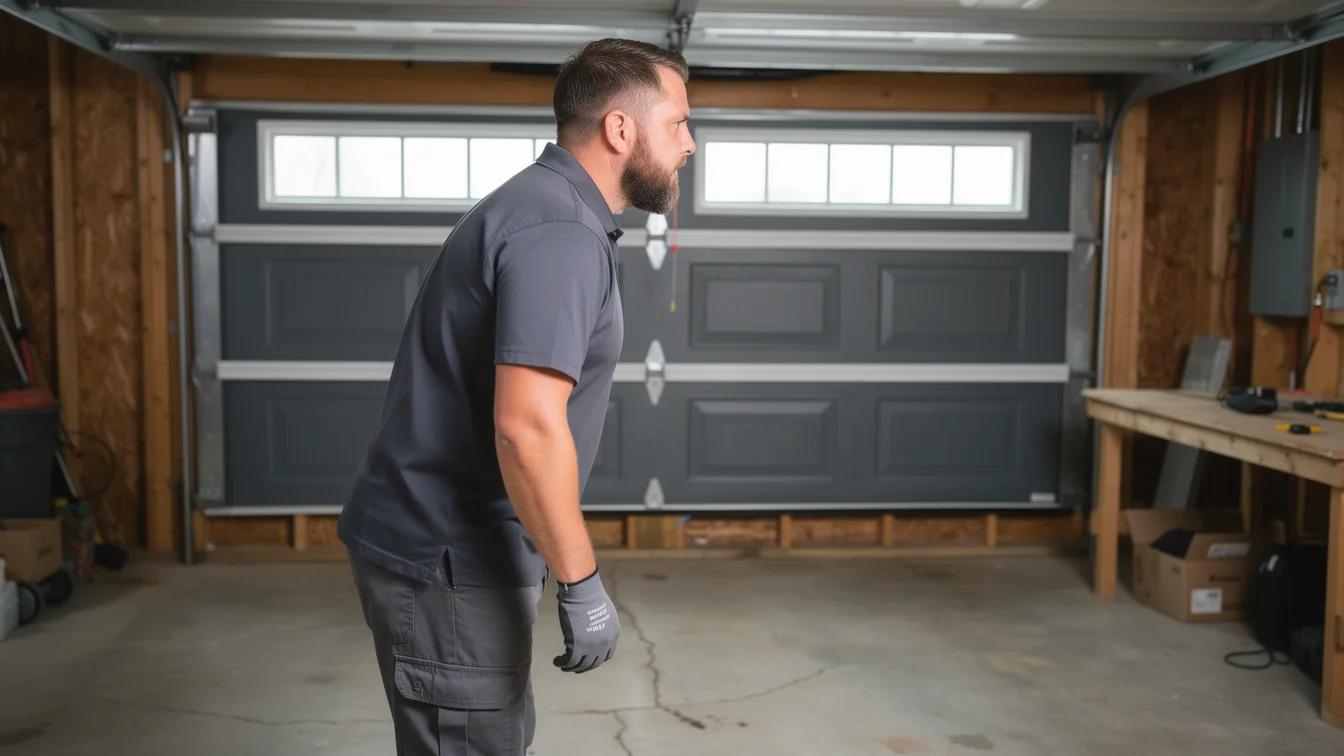 What That Grinding, Popping, or Banging Sound Actually Means
Milford homes built mostly between 1954 and 1986 have original garage hardware that grinds, pops, or slams in cold weather - here's what each sound means.
Ready when you are
Need a garage door sorted in Milford?
Milford Garage Door Pros repairs and installs garage doors, springs and openers in Milford, CT and the surrounding area.