
Orange, Milford
Garage Door Service for Orange, CT Homes
Orange homes went up around 1963, mostly with extension-spring doors on horizontal track. We drive the 5 miles from Milford to fix what that era built.
Why It Happens Here
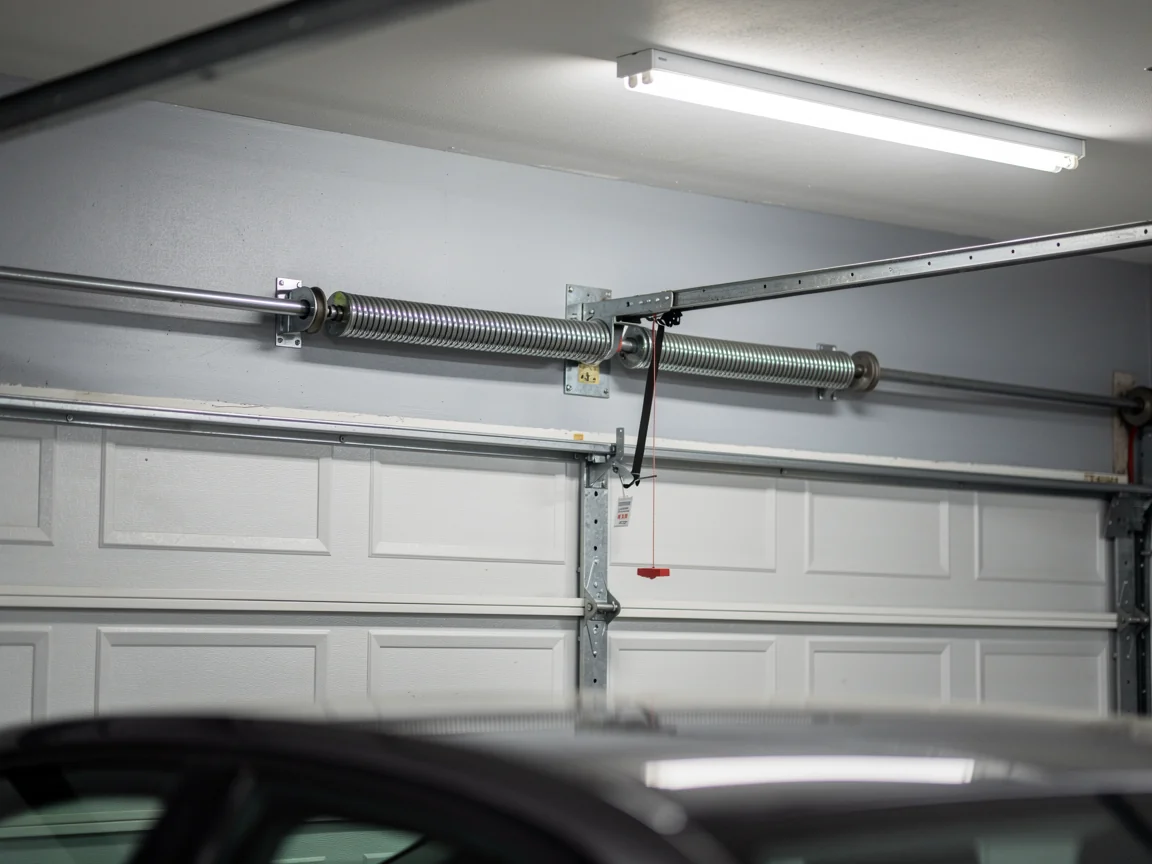
The median house in Orange was built in 1963, which puts most garages here squarely in the extension-spring era. Back then, builders ran two stretched springs along the horizontal tracks above the door instead of a single torsion spring over the opening. That hardware is cheap to install and cheap to fail. After decades of expansion and contraction through Connecticut winters, the springs stretch out, the safety cables fray, and the door either won't lift or slams down when the last coil lets go.
This isn't a Milford problem dressed up with a different zip code. Milford's broader service area spans housing built anywhere from 1954 to 1986, but Orange sits on the earlier end of that range, which means more of the original extension-spring setups are still hanging on, not yet swapped for torsion systems. When we get a call from Orange, we come expecting pulley wheels worn grooved, aging galvanized cable, and doors that were never upgraded to the center-mounted torsion spring that became standard on newer builds. Knowing that before we load the truck saves a second trip for the right part.
Stocked Parts
Because so much of Orange's garage stock dates to the early-to-mid 1960s, the truck carries extension springs in the common lengths and wire gauges from that build era, plus the safety cables that should run through them (a lot of original installs skipped this, and it's the first thing we add back).
Torsion bar conversion stock
We also carry torsion conversion hardware for homeowners who'd rather stop replacing worn extension springs every few years and move to a single torsion bar over the opening.
Matching stamped-steel panels
Rollers, pulleys, and the stamped-steel panel sections used on doors from this period are stocked too, since replacement panels for a door that's over fifty years old almost never come from the manufacturer anymore, they come from matching stock on the truck.
Obscure parts need order
We don't stock every obscure bracket or discontinued opener board, and if a part isn't common to houses of this age, it may mean an order and a second visit. We'd rather tell you that up front than pretend otherwise.
What the Fix Involves
First step is identifying which spring system you've got, extension or torsion, since the repair and the parts are not interchangeable. On an original Orange install, that usually means two stretched springs above the horizontal tracks.
Both springs checked
We check both springs even if only one broke, because the second one is carrying the same age and the same mileage and is close behind. We replace the springs, inspect the pulleys and cable for fraying, and put safety cables through the springs if the original install didn't have them, which, on houses from the early 1960s, it often didn't.
Rough cycling checks
If the door cycles rough afterward, we'll check the track alignment and roller wear while we're in there, since on a door this old those parts usually need attention too.
Torsion as separate quote
If you'd rather convert to a torsion system instead of replacing extension springs again, we can quote that as a separate job, it's more work and more parts, but it's a one-time fix instead of a repeat visit every several years.
How Long It Takes
A straight extension-spring replacement on a standard door runs about an hour once we're on site, assuming the hardware underneath hasn't deteriorated past the springs themselves. If the pulleys are seized or the cable is shredded, add time for those repairs. A full torsion conversion takes longer, since it means installing new hardware brackets and a torsion bar that the original 1963-era install never had.
We travel from Milford, about 5 miles to most of Orange, so the drive itself isn't the variable, the age and condition of what's behind the door is. We won't quote an exact window here because it depends on what we find once the door's open, not on the trip.
Can You Do This Yourself
Extension springs are under less tension than torsion springs, but they still store enough force to whip a cable or snap a pulley bracket hard enough to hurt you.
Rollers and bolts are DIY
If you're comfortable with hand tools and the door is down and unplugged, replacing rollers or tightening track bolts is reasonable DIY territory. Spring and cable work is where we'd tell you to stop. We won't pretend there's no risk just to get a job, and we won't walk you through spring replacement over the phone.
Converting extension springs
It's also not always a repair worth doing twice: if your door is already on its second or third round of extension springs, converting to torsion hardware once is often less work over the life of the door than keeping the original 1963 setup going.
What You Pay
We don't have a flat published price for Orange calls, because the job depends on what's actually wrong, a straight spring swap costs less than a torsion conversion with new brackets and a bar. What we can tell you is that houses built around Orange's 1963 median tend to need the same category of repair, extension-spring and cable work, rather than opener electronics or insulated panel replacement, which is more common on newer doors elsewhere in the service area.
Give us the symptoms, a stuck door, a snapped spring, a cable off the pulley, and we'll give you a number before we start, not after.
Questions
Common questions
Why do so many Orange garages still have extension springs instead of torsion springs?
Orange's housing stock centers on 1963, and extension springs mounted along the horizontal tracks were the standard setup for garage doors built in that era. Torsion springs over the header became more common in later decades. Unless a previous owner upgraded it, a house from this period likely still has the original-style extension system.
How far is Milford Garage Door Pros from Orange?
About 5 miles. We run the job from Milford, so there's no local branch or depot in Orange itself, but the drive is short and we carry parts matched to the extension-spring hardware common on houses built in this town's era.
Should I convert my old extension springs to a torsion system?
If you've replaced extension springs more than once, converting to torsion hardware is often worth it long-term, it's a single upgrade instead of a repeat repair. If this is your first failure, a straight spring replacement is usually the more sensible and cheaper call.
Can I replace a garage door spring myself?
We wouldn't recommend it. Even extension springs store enough tension to snap a cable or pulley bracket with force. Rollers, hinges, and track bolts are reasonable DIY tasks with the door down and unplugged, but spring and cable work is where we tell homeowners to call instead of tackle it alone.
Explore more
More Services in Orange
Cable Repair
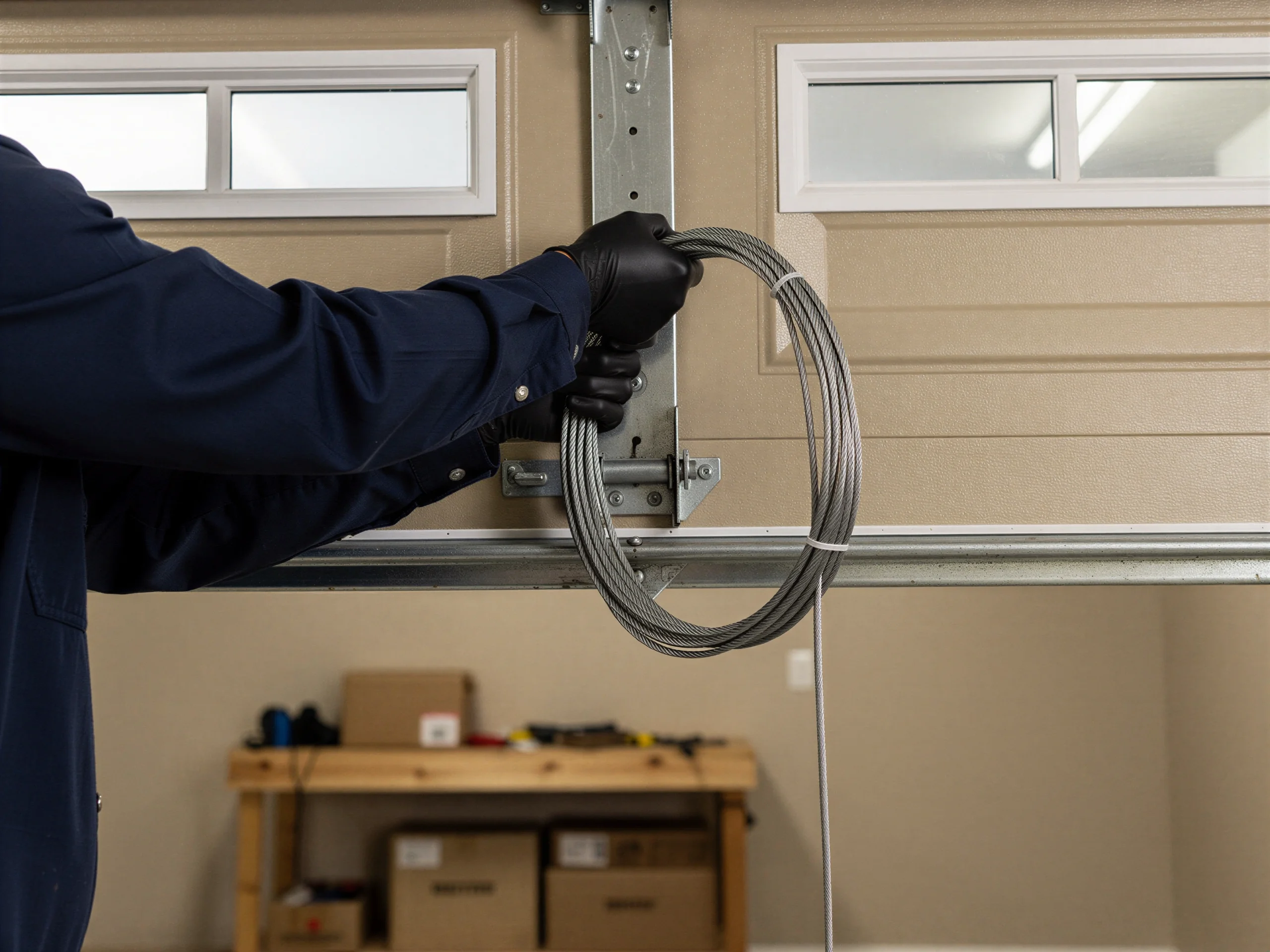
Cable repair for Orange, CT homes built around 1963, served from our Milford shop 5 miles away. Learn more →
Garage Door Repair
Orange homes date mostly to 1963, with steel doors on side-mounted torsion springs that wear out in Connecticut winters. Learn more →
Maintenance
Orange, CT homes built around 1963 are reaching the age where springs and openers need real upkeep, not just a squirt of oil. Learn more →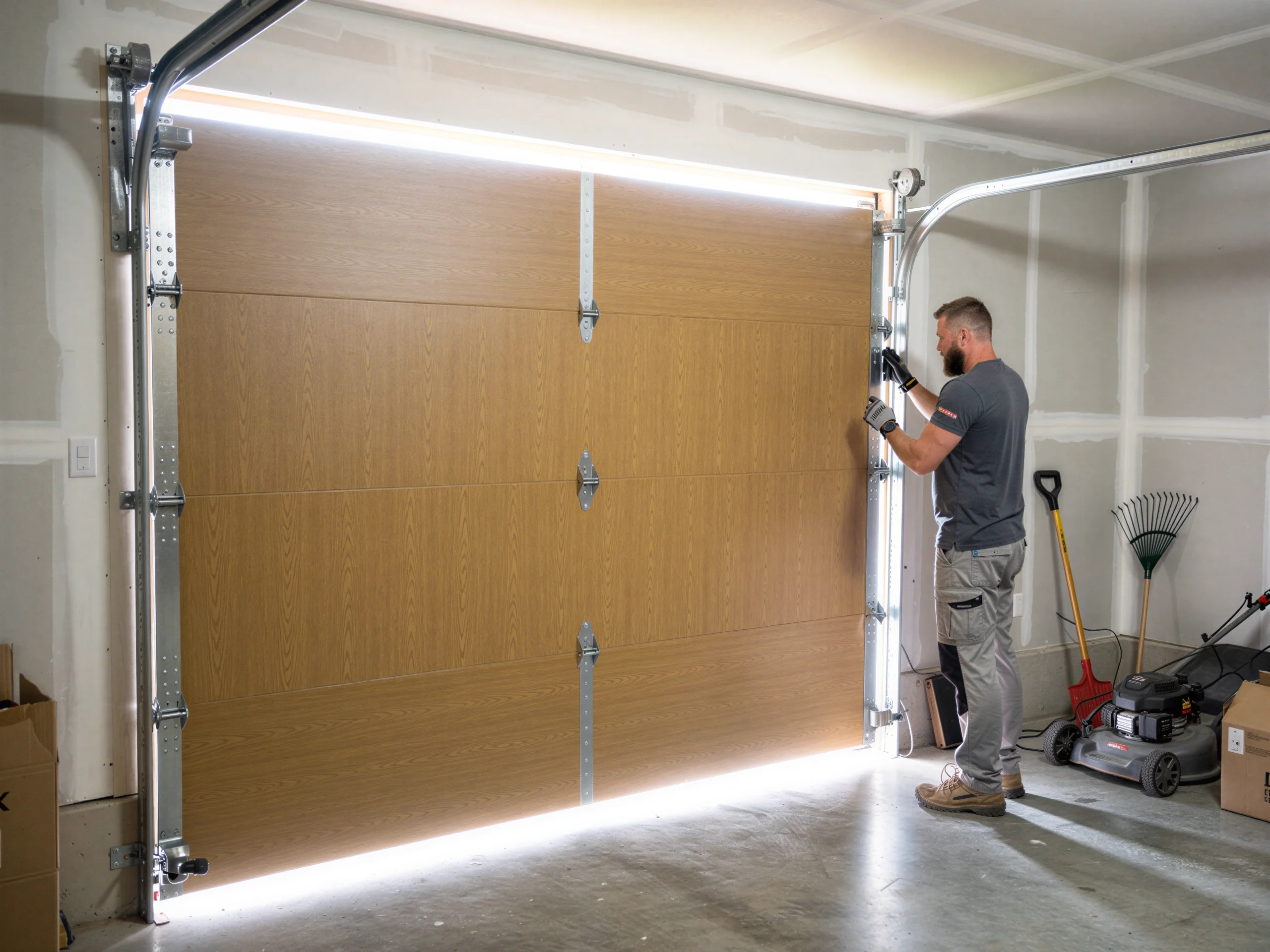
Off Track Repair
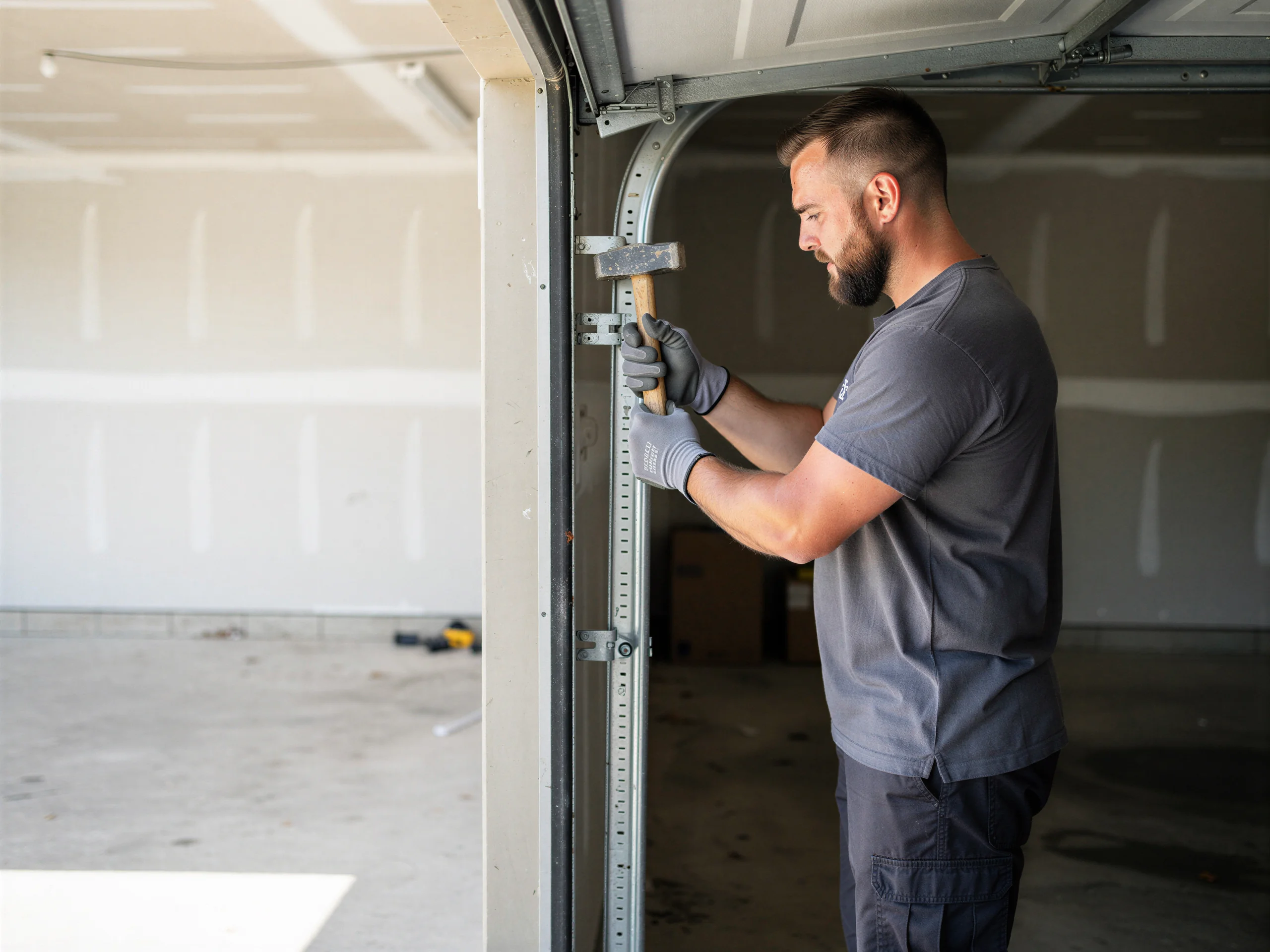
Orange homes date to 1963, earlier than the wider Milford service area's 1971 median. Learn more →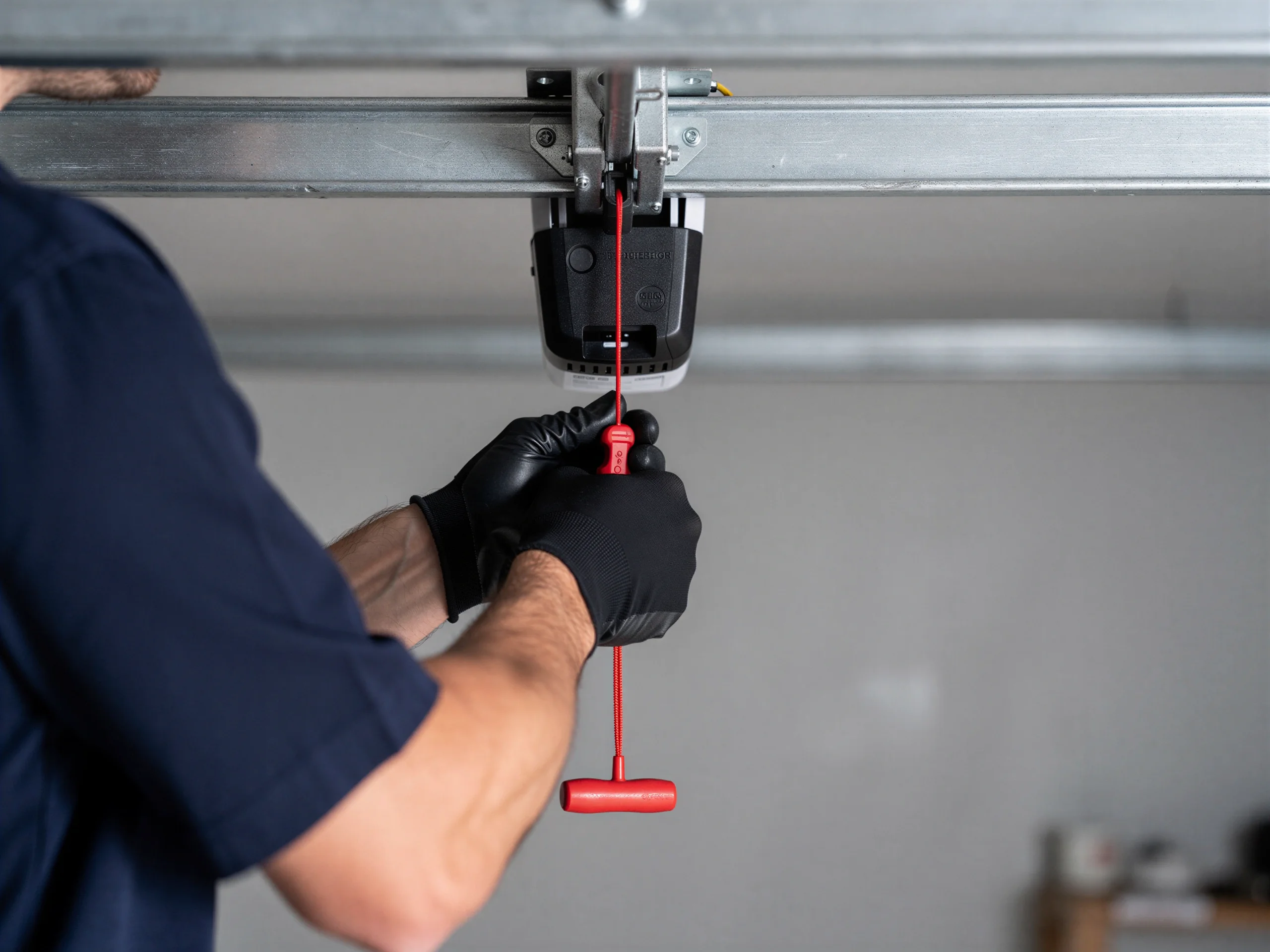
Panel Replacement
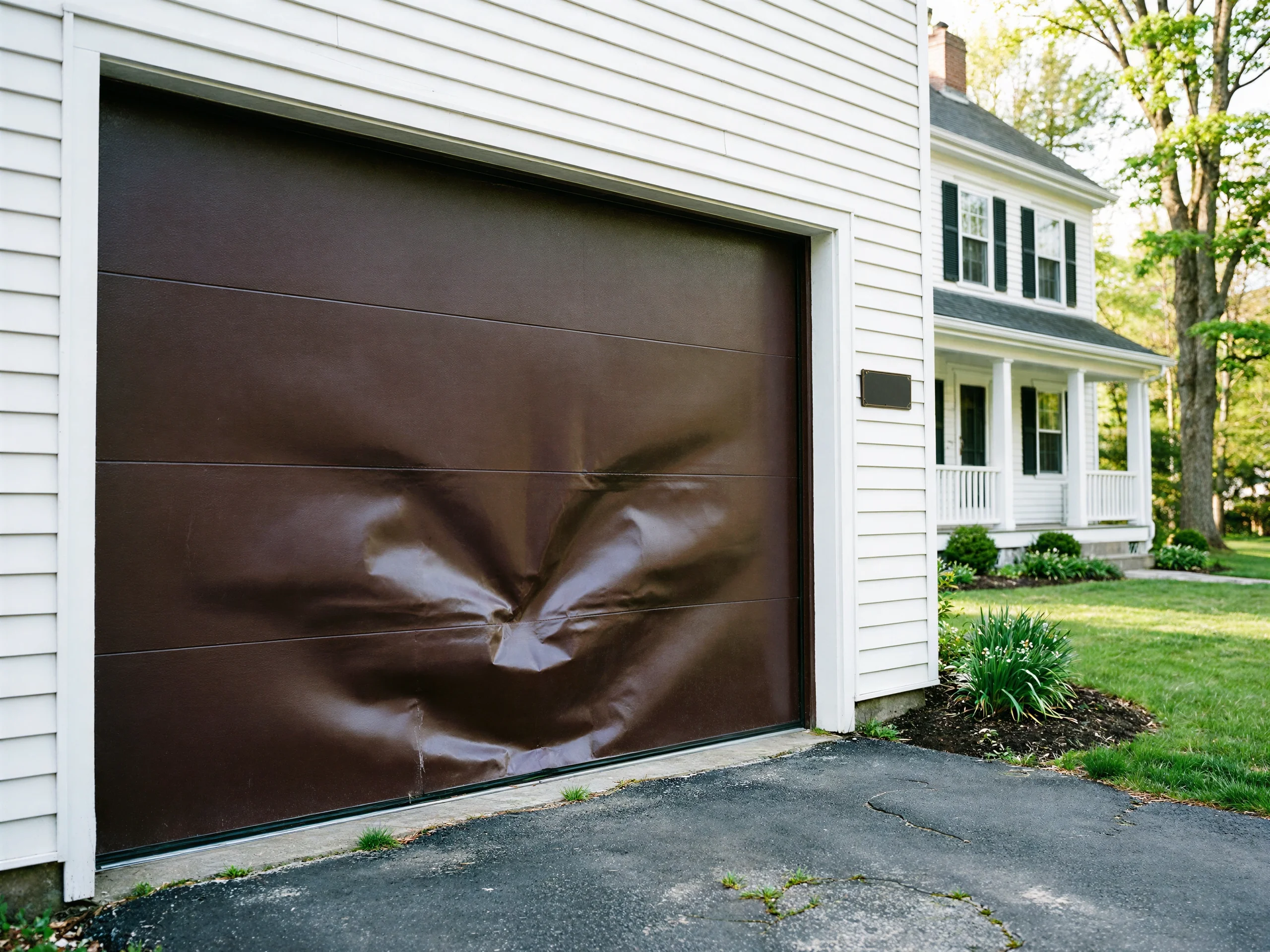
Most Orange garages went up around 1963, and the panel hardware is often original. Learn more →Ready when you are
Need garage door service in Orange?
Milford Garage Door Pros repairs and installs garage doors, springs and openers in Milford, CT and the surrounding area.