Orange, Milford
Garage Door Repair for Orange, CT Homes
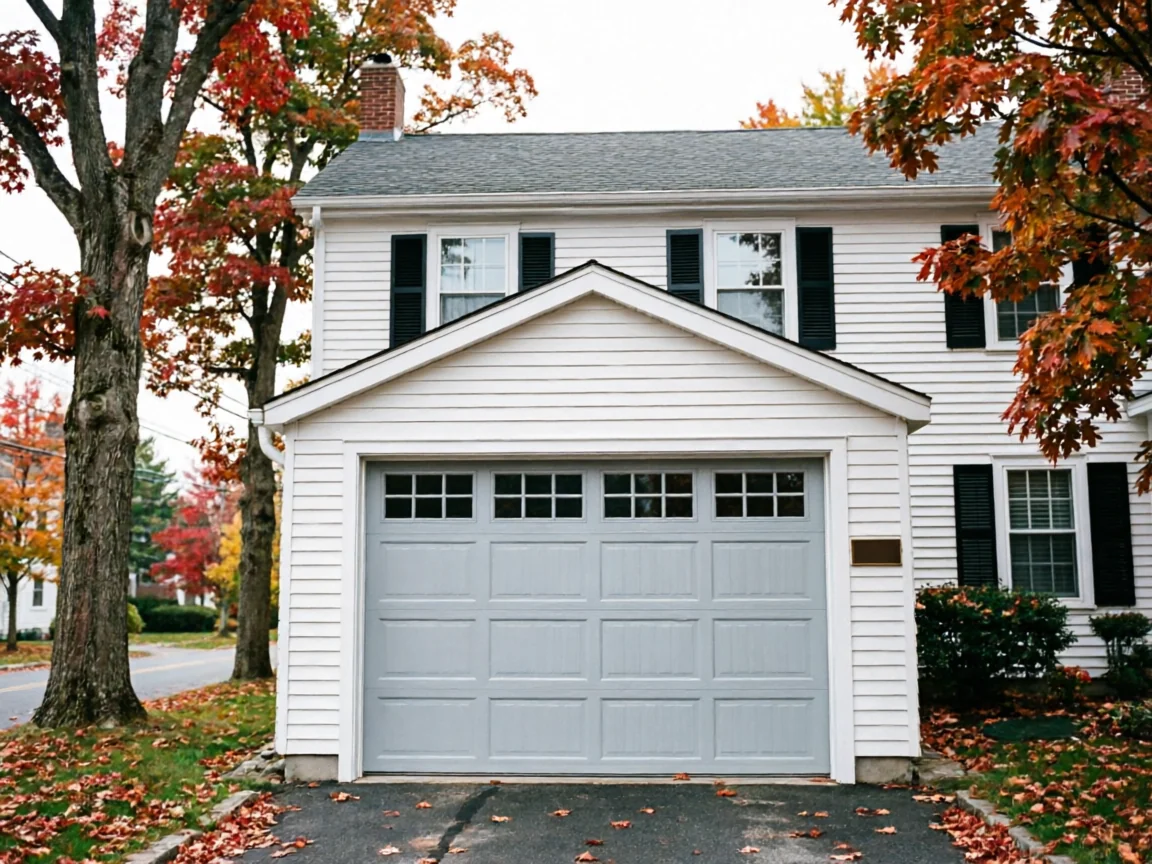
Orange homes date mostly to 1963, with steel doors on side-mounted torsion springs that wear out in Connecticut winters. Milford Garage Door Pros repairs them, 5 miles out.
Why It Happens Here
Most houses in Orange went up around 1963, which puts this town right in the middle of the broader 1954-1986 build-out across the service area. By the early 1960s builders here had mostly moved off wood panel doors and onto single-layer steel, usually a 16-foot double or a 9-foot single, hung on side-mounted torsion springs rather than the extension springs that came later. That hardware is sturdy, but it's also sixty years into a cold-climate duty cycle it was never rated to run forever. This region sits in a severe cold climate band, and steel doors that age move through hard freeze-thaw swings every winter. The galvanized coating on the original rollers and hinges thins out, the torsion spring loses tension unevenly, and the cable that should be thick and smooth starts to fray where it rides the drum. None of that shows up as a sudden failure - it shows up as a door that's gotten heavier to lift by hand, or that shudders on the way up. By the time the spring actually breaks, it's usually been telling the owner for months. We see this pattern across the older end of the service area, and Orange's 1963 median puts it squarely in that group.
Stocked Parts
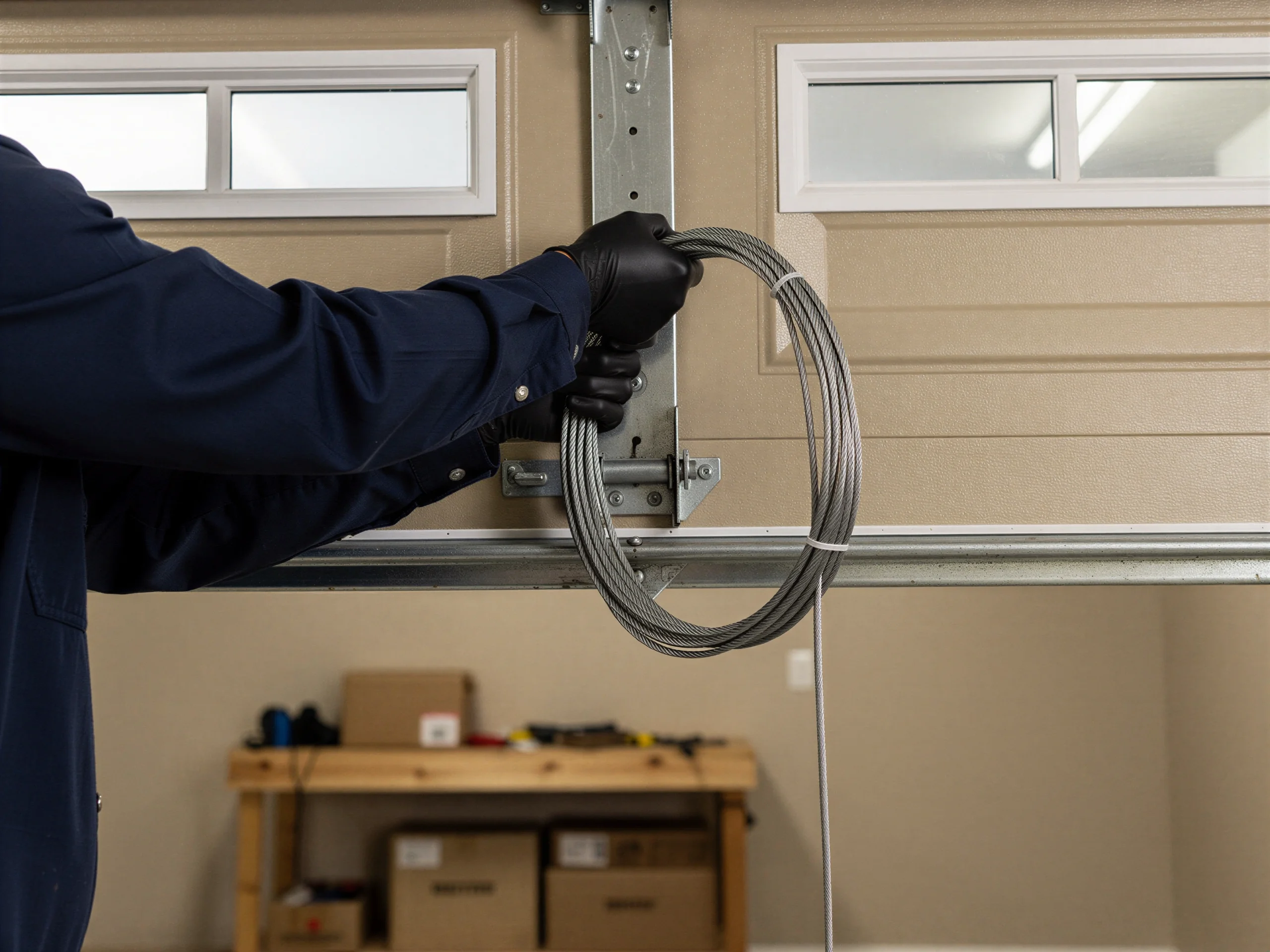
Because so much of the housing stock across this service area dates to the 1960s-70s, we carry the torsion springs, drums, and cable sized for that era's doors as regular stock, not special order. That covers the steel single and double doors common in Orange - standard torsion spring sizes, galvanized lift cable, and the steel rollers that replace the originals one for one. Where we run into trouble is on anything custom: a door that's been swapped for a wider opening, or odd track hardware from a renovation. Those parts sometimes need to be ordered, and we'll tell you straight if that's the case before we quote the job, not after.
What the Fix Involves
A torsion spring replacement on a door this age starts with releasing tension on the existing spring safely - this is the step that hurts people when it's done wrong, and it's not a job for a ladder and a crowbar.
Springs set to weight
We pull the old spring and drum, check the shaft for rust pitting (common on originals after six decades outdoors), and set new springs to the door's actual weight rather than a generic size.
Replace worn parts together
If the cable or rollers are original, we replace those in the same visit since they're already at the end of their life and opening the door back up later costs more than doing it once.
Recheck opener force
We also check the opener's force setting afterward - a new spring changes how hard the opener has to pull, and skipping that step is how openers burn out early.
How Long It Takes
Most spring and cable jobs on a standard steel door run under two hours once the truck is on site, since the parts are stock sizes we carry rather than something we wait on. A full door replacement, if the steel has rusted through at the bottom panel or the track is bent beyond adjustment, takes longer and usually means scheduling around a specific door size and color rather than doing it same-visit. We'll tell you which category your door falls into before we start, not after we've already got the old spring off.
Can You Do This Yourself
Rollers, weatherstripping, and tightening loose hardware are reasonable DIY work if you're comfortable on a stepladder. Torsion springs are not.
Stored spring force hazard
A wound torsion spring holds enough stored force to break a wrist or worse if the winding bar slips, and that's true whether the door is five years old or sixty.
Stop at loud bang
If your door won't open, or opens unevenly, or you hear a loud bang from the garage, leave the spring alone and call it in. That's the one honest line we draw on every job, not just in Orange.
What You Pay
We don't publish a flat rate here because spring size, drum condition, and whether the shaft is pitted all change the job, and quoting blind leads to surprises on-site, which we'd rather avoid. What we can say is that a standard torsion spring job on a 1960s-era steel door, the kind common across Orange, is one of our more predictable repairs - the parts are stock, the labor is routine, and we'll give you a number before any work starts, not an estimate that moves once we're inside.
Questions
Common questions
Why does my garage door feel heavier than it used to?
If your house dates to around 1963, like most of Orange, the original torsion spring is likely original too. Springs lose tension gradually over decades, especially through repeated cold-weather cycles, so the door gets harder to lift by hand well before it actually fails.
Do you carry parts for older steel doors like mine?
Yes. Because most homes across this service area were built in the 1960s-70s, we stock torsion springs, drums, and cable sized for that era's standard steel doors as regular inventory, not special-order items.
How far out does Milford Garage Door Pros travel for a repair in Orange?
Orange is about 5 miles from our Milford base, so it's a short trip for a standard service call - we don't keep a separate branch in Orange, we run jobs out from Milford.
Is it ever better to replace the whole door instead of fixing it?
If the steel panel has rusted through at the bottom or the track is bent beyond adjustment, patching it is often a short-term fix that costs more over time. We'll tell you honestly when replacement makes more sense than repair.
Explore more
More Services in Orange
Cable Repair
Cable repair for Orange, CT homes built around 1963, served from our Milford shop 5 miles away. Learn more →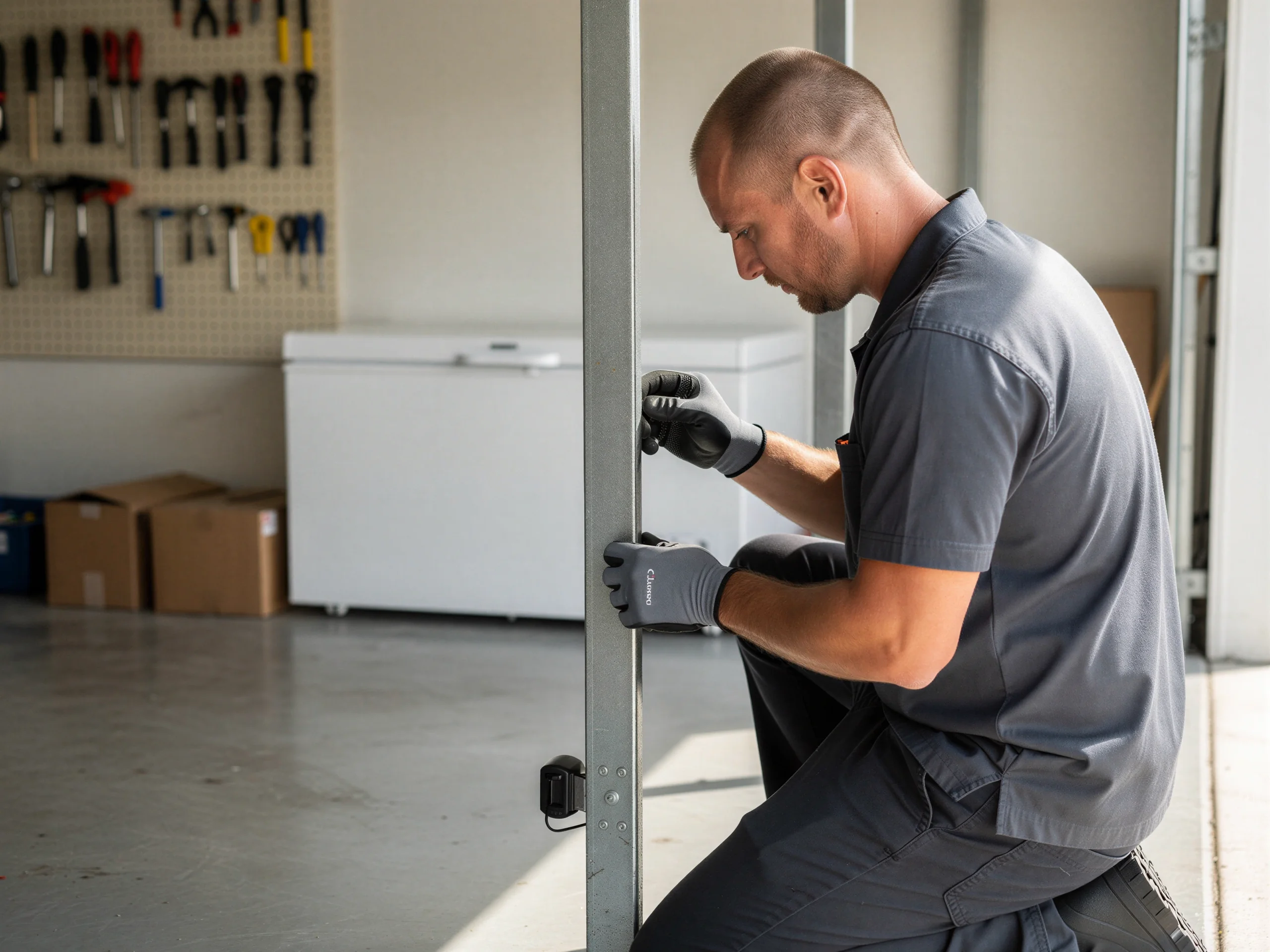
Garage Door Service
Orange homes went up around 1963, mostly with extension-spring doors on horizontal track. Learn more →
Maintenance
Orange, CT homes built around 1963 are reaching the age where springs and openers need real upkeep, not just a squirt of oil. Learn more →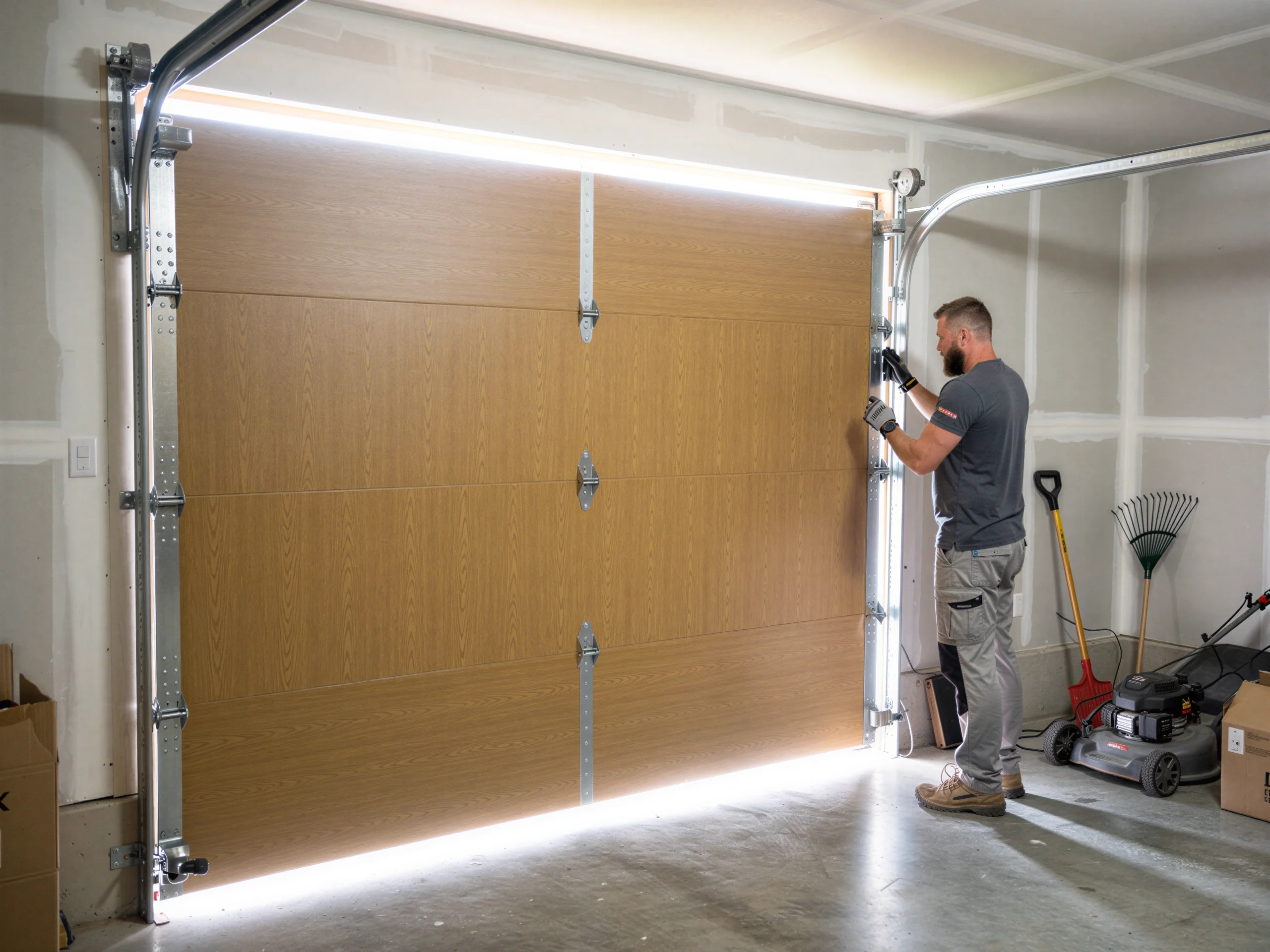
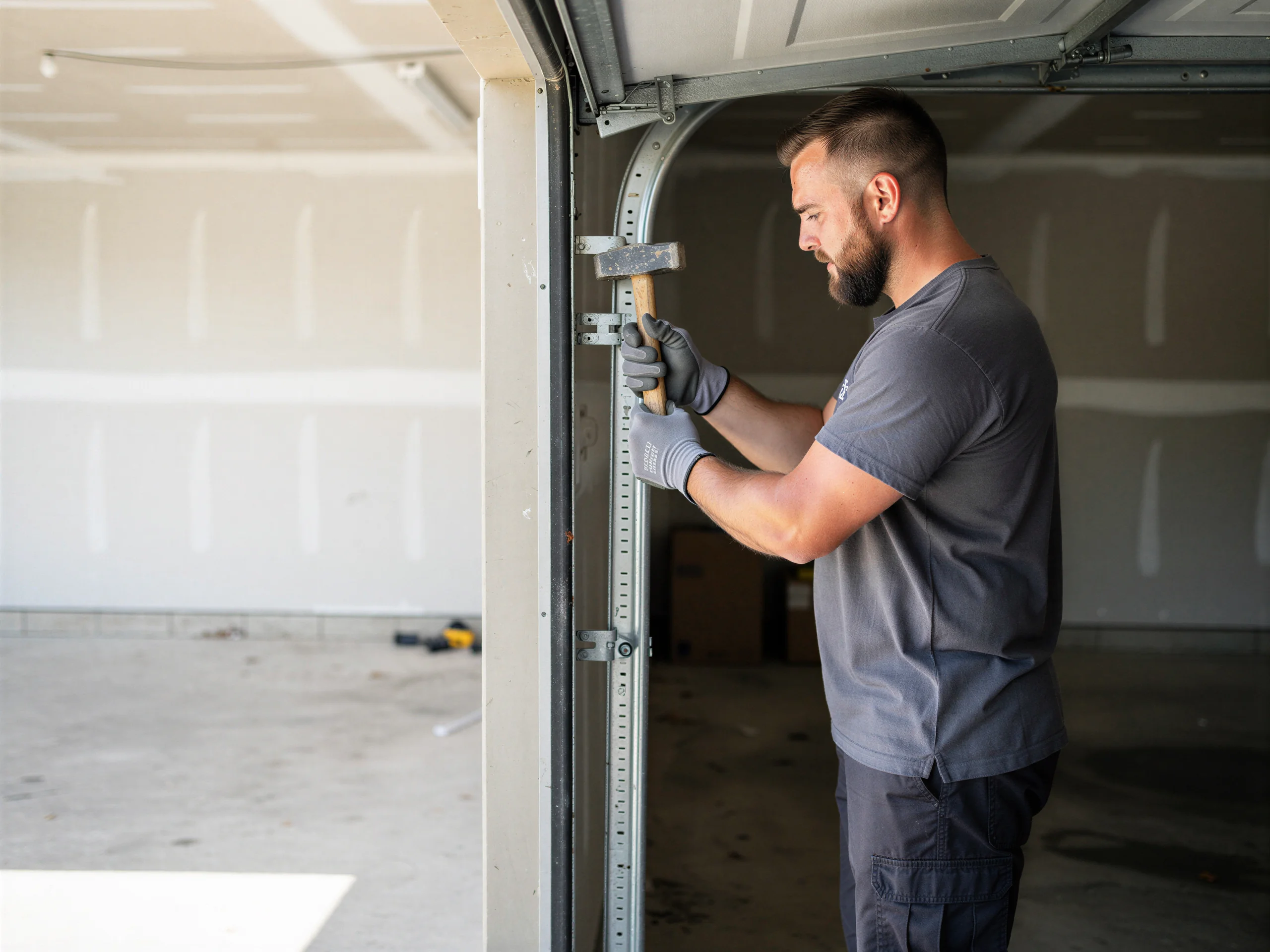
Off Track Repair
Orange homes date to 1963, earlier than the wider Milford service area's 1971 median. Learn more →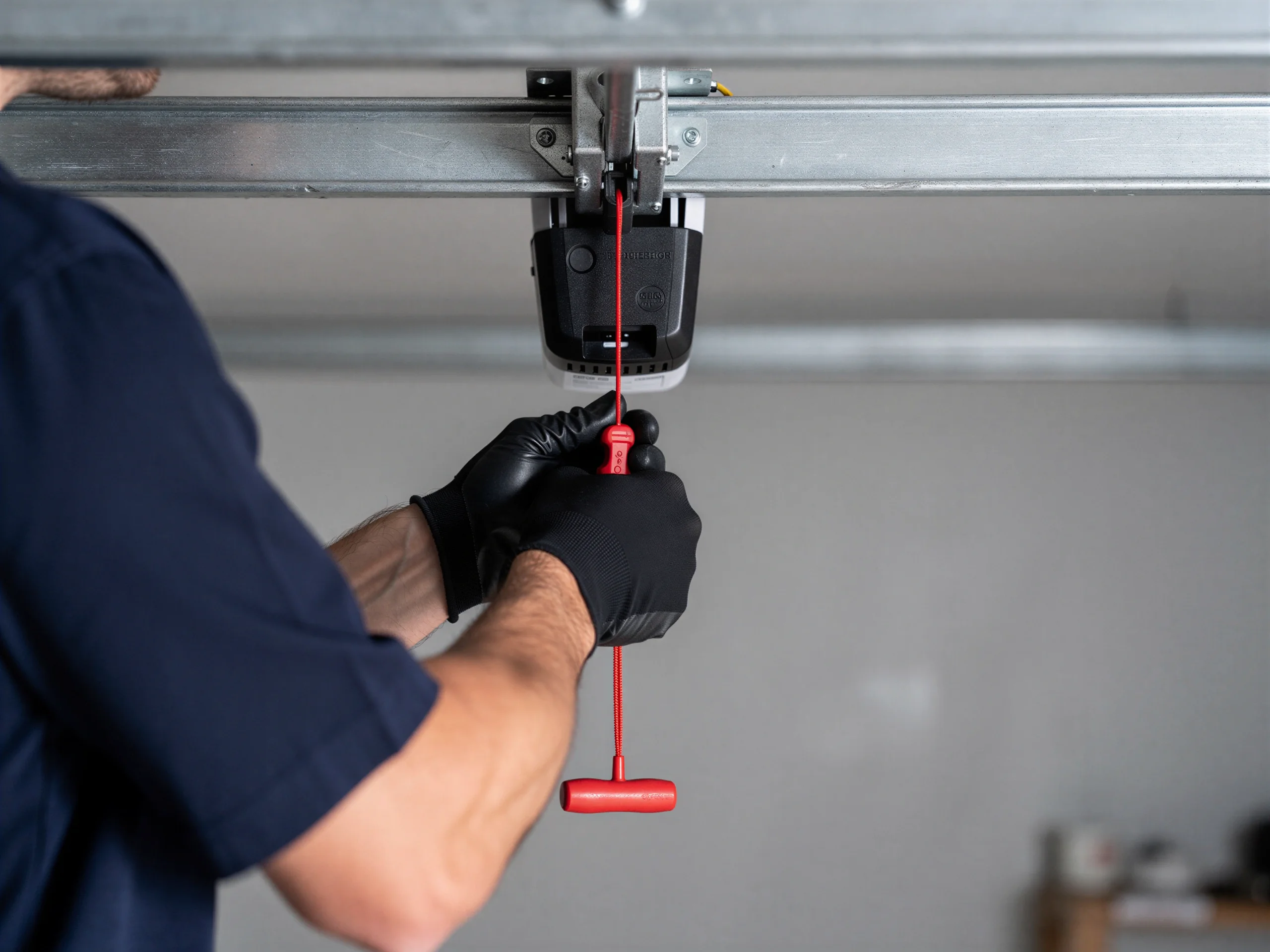
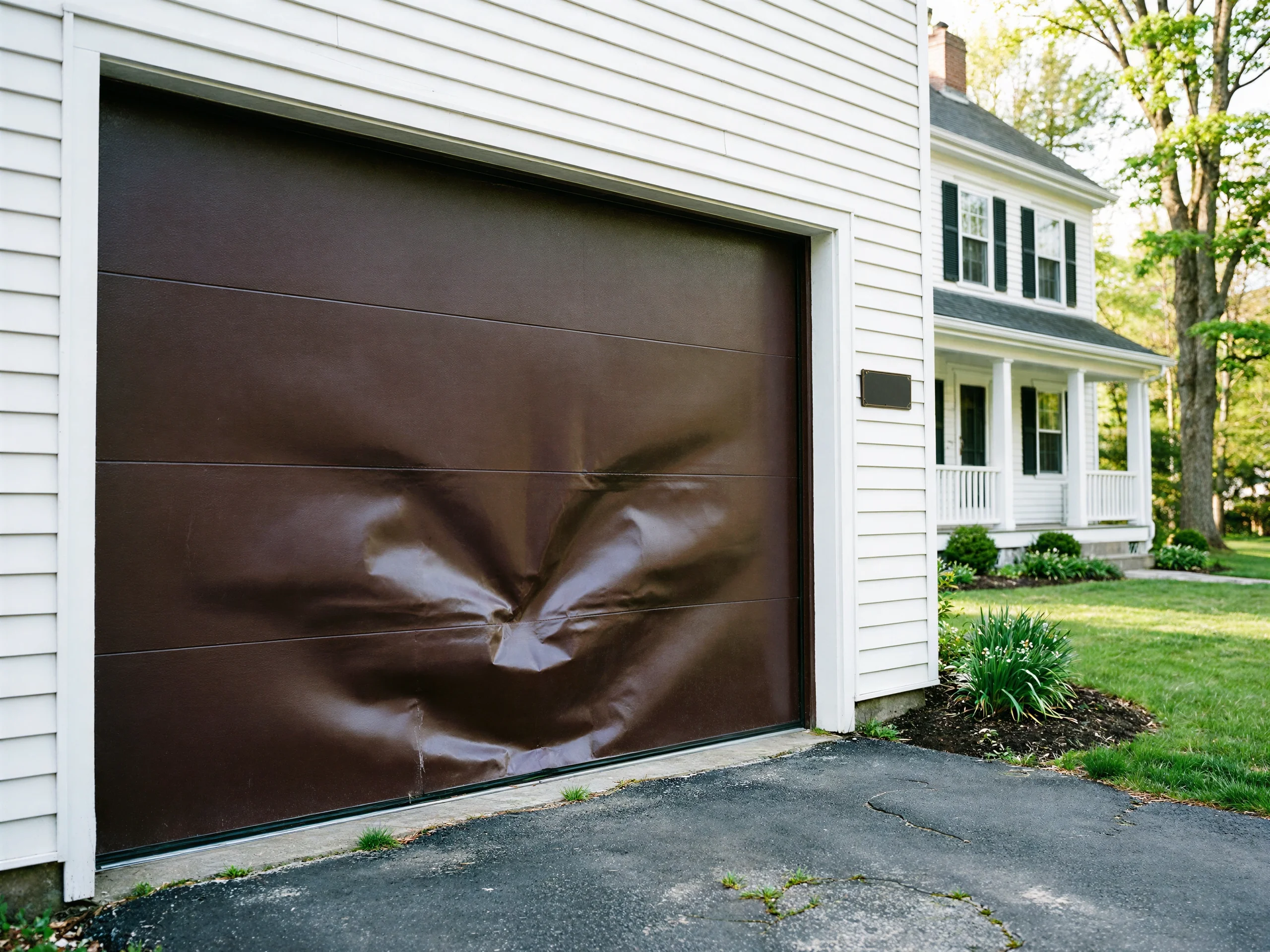
Panel Replacement
Most Orange garages went up around 1963, and the panel hardware is often original. Learn more →Ready when you are
Garage door trouble in Orange?
Milford Garage Door Pros repairs and installs garage doors, springs and openers in Milford, CT and the surrounding area.