
Orange, Milford
Off-Track Garage Door Repair for Orange Homes
Orange homes date to 1963, earlier than the wider Milford service area's 1971 median. That gap changes how doors jump track and what it takes to fix them right.
Why It Happens Here
Orange's housing stock centers on 1963, about eight years ahead of the 1971 median across the rest of Milford Garage Door Pros's coverage area. That earlier build date matters more than it sounds like it should. Doors installed on these houses, or replaced once already by a previous owner, tend to run on narrower track gauges and lighter roller carriages than what you'd find on a house framed in the late 1970s or 1980s. Narrower track has less room for error. A bent bracket, a loose hinge, or one roller that's worn past its flange, and the panel walks off the rail faster than it would on newer, wider-channel hardware.
Cold is the other piece. The service area sits in a severe cold climate band, and track metal contracts in hard freezes. A door that rides fine in October can bind and pop a roller in January once the steel pulls tight against fasteners that were never perfectly aligned to begin with. On a 1963-era track, that misalignment is more often original than retrofitted, which is a different repair than straightening a track that's only a few years old.
Stocked Parts
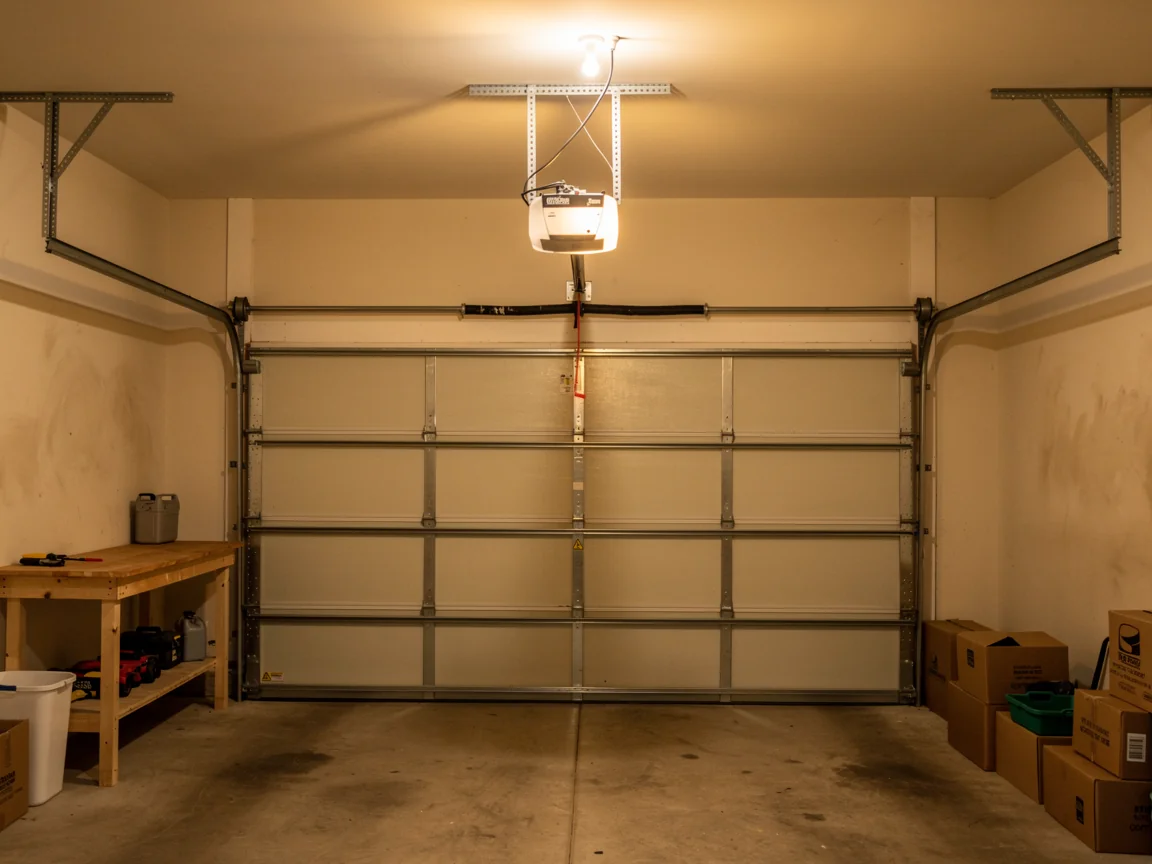
We carry the roller and track hardware sized for the older, narrower-gauge systems common on houses built around 1963, not just the wider modern track you'd find on newer construction elsewhere in the service area. That includes standard steel rollers, replacement track sections in the shorter radius used on these older low-headroom setups, and the brackets that hold track to jamb on framing from that era. If a part on your door turns out to be a size we don't carry on the truck, we'll say so rather than force a mismatched fit, and some older replacement sections do need to be special-ordered.
What the Fix Involves
Getting a door back on track starts with figuring out why it left in the first place, not just lifting the panel back into the channel.
Bracket and roller inspection
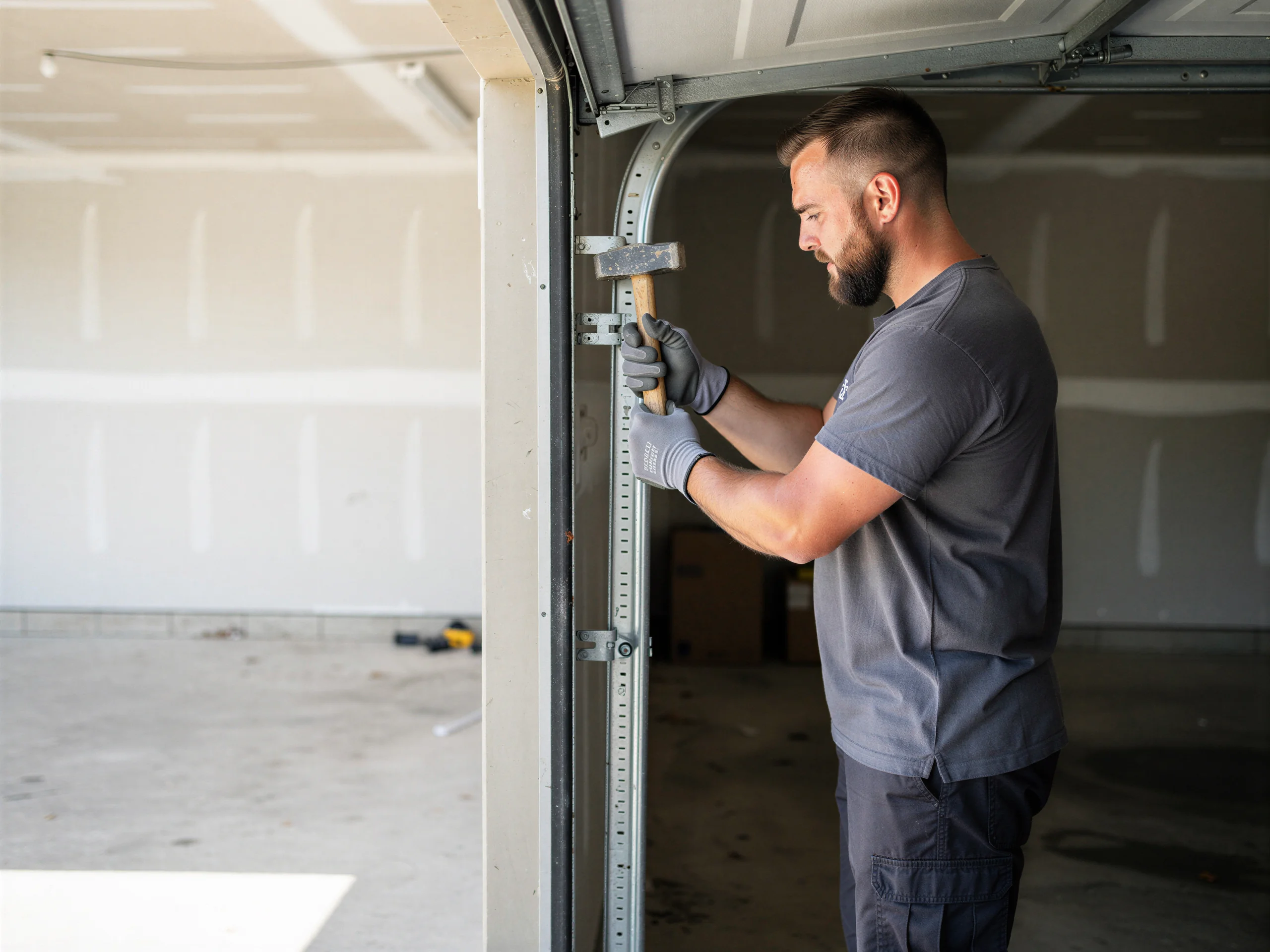
On houses from this era we check the track-to-jamb brackets first, since those fasteners have had six decades of seasonal contraction and expansion to work loose. Next is the roller itself: if the stem is bent or the wheel is chipped, it gets replaced rather than reseated, because a damaged roller will jump the same spot again within weeks.
Track level and kink checks
We also check horizontal and vertical track alignment with a level, since track installed in 1963 was rarely shimmed to the tolerances expected today. If the track has a visible kink or crush point, that section gets swapped rather than hammered straight. Hammering a kink flat looks fine for a week and fails again the first cold snap.
How Long It Takes
A single roller off-track with no bent track is a quick job once we're on site. A door that's jumped on both sides, or has a section of track that's actually bent, takes longer because that section has to come out and get replaced rather than adjusted. Houses with original 1963-era track sometimes need a bracket re-set as well, since the mounting holes in older jamb wood can be worn oversized from decades of vibration, which adds time beyond the roller swap itself.
Can You Do This Yourself
If the door is only off by an inch and still closes under its own weight, some owners can walk it back into the channel by hand with the opener disconnected.
Derailed door drop risk
Past that, we don't recommend it. A door under spring tension that's already partially derailed can drop or swing unpredictably, and on these older track systems the failure point is often a cracked bracket you can't see from the garage floor.
Stiff door means call
If the door won't move freely by hand, or if one side is off and the other isn't, that's a call for a torsion spring or a bent track, not a DIY straighten job.
What You Pay
We don't have a flat number to post here that would hold for every door in Orange, because what you pay depends on whether this is a roller swap, a bracket re-set, or a track section replacement, and those are three different jobs at three different costs. What we can tell you is that Orange's median household income runs well above the wider service area's figure, which is just a fact about the town, not a pricing policy. We quote the actual repair needed after we've looked at the track, not before.
Questions
Common questions
Why does my garage door keep jumping the track every winter?
On houses built around 1963 like most in Orange, track metal and fasteners have had decades to loosen, and a severe cold snap makes steel contract enough to pull a marginal roller or bracket past its tolerance. It's usually not a new problem, just an old weak point finally giving out in the cold.
Is off-track hardware on an older Orange house different from newer houses nearby?
Often, yes. The service area's broader housing stock runs newer on average, with a median build year of 1971 versus Orange's 1963, which means track gauge and bracket spacing here can differ from what's standard on houses built a decade or more later.
Do you have a shop in Orange?
No. We're based in Milford, about 5 miles away, and travel out to Orange for repair calls. We don't keep a branch location in town.
Can I just push the door back onto the track myself?
If it's a minor derail and the door still moves freely by hand with the opener off, some owners manage it. If the door binds, drops, or is off-track on both sides, stop and call, since a door under spring tension can swing or fall without warning.
Explore more
More Services in Orange
Cable Repair
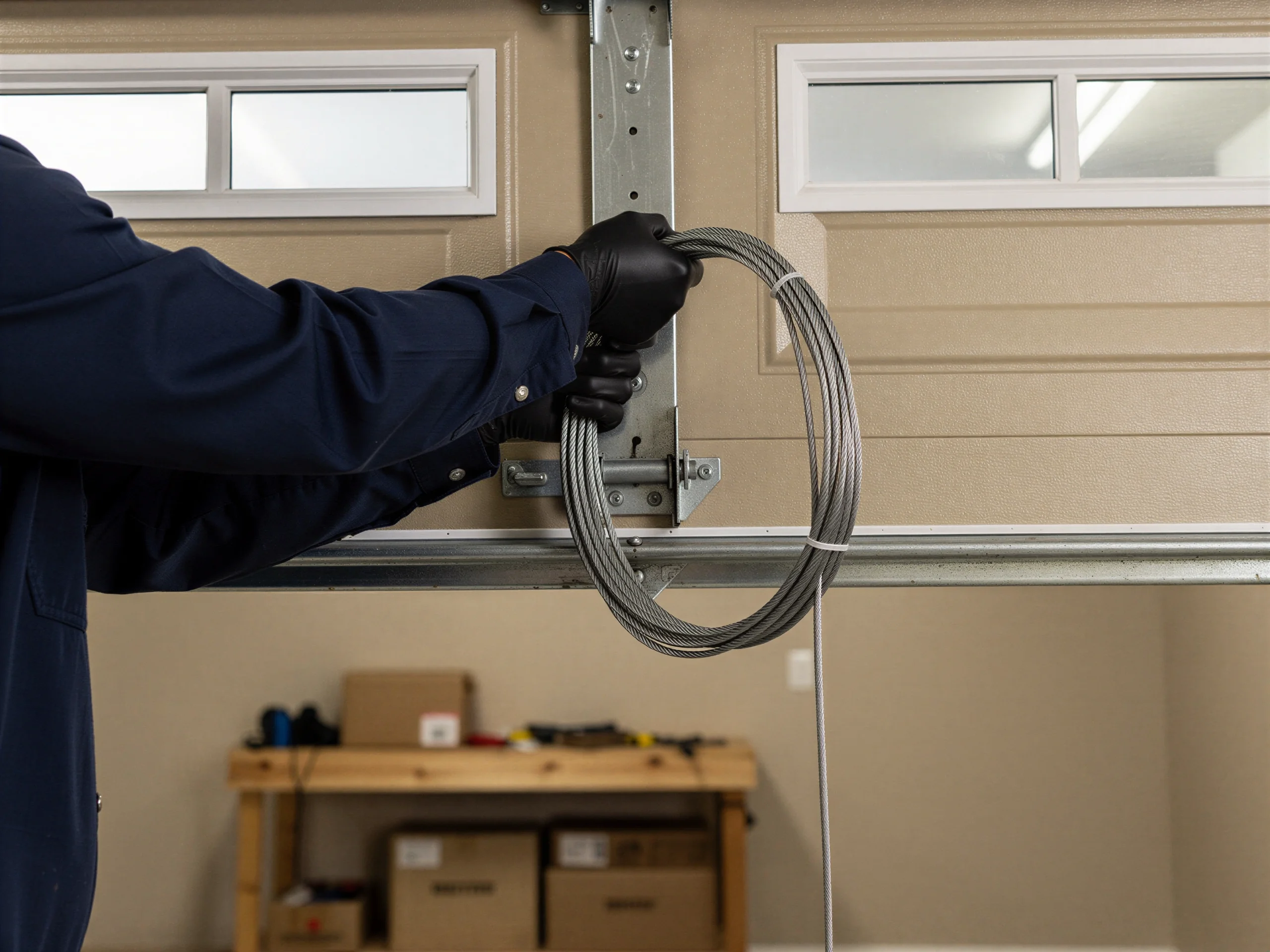
Cable repair for Orange, CT homes built around 1963, served from our Milford shop 5 miles away. Learn more →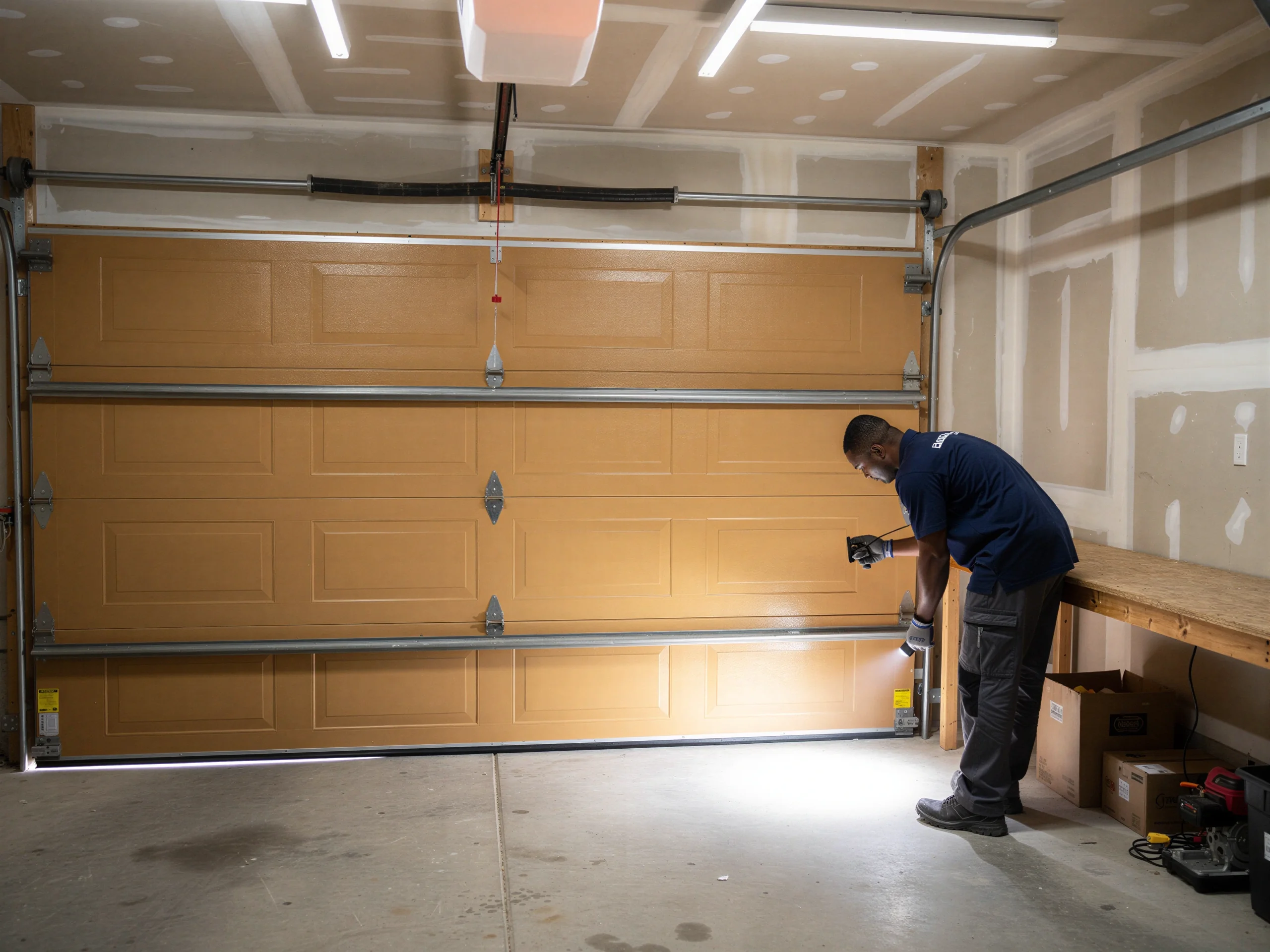
Garage Door Repair
Orange homes date mostly to 1963, with steel doors on side-mounted torsion springs that wear out in Connecticut winters. Learn more →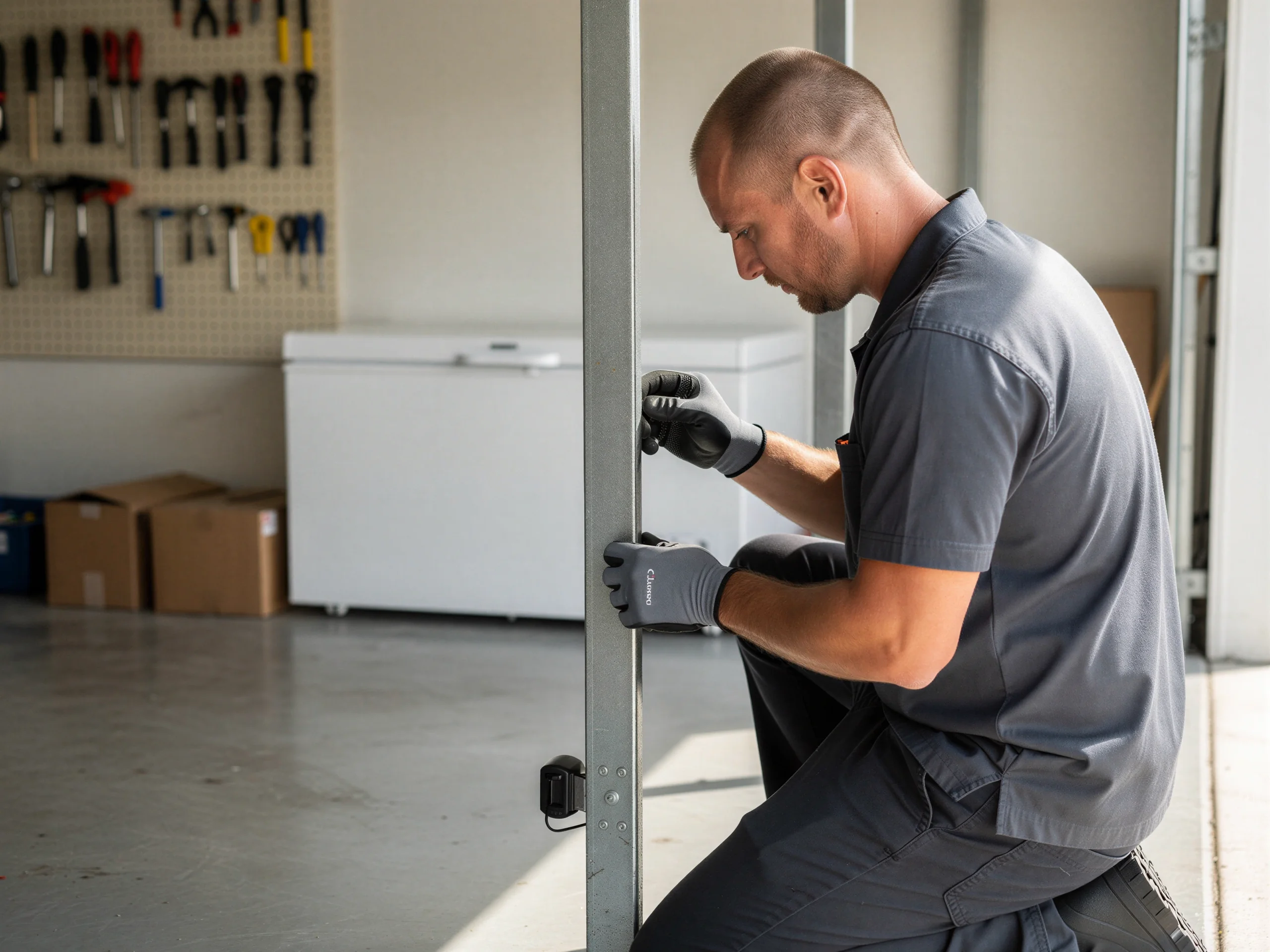
Garage Door Service
Orange homes went up around 1963, mostly with extension-spring doors on horizontal track. Learn more →
Maintenance
Orange, CT homes built around 1963 are reaching the age where springs and openers need real upkeep, not just a squirt of oil. Learn more →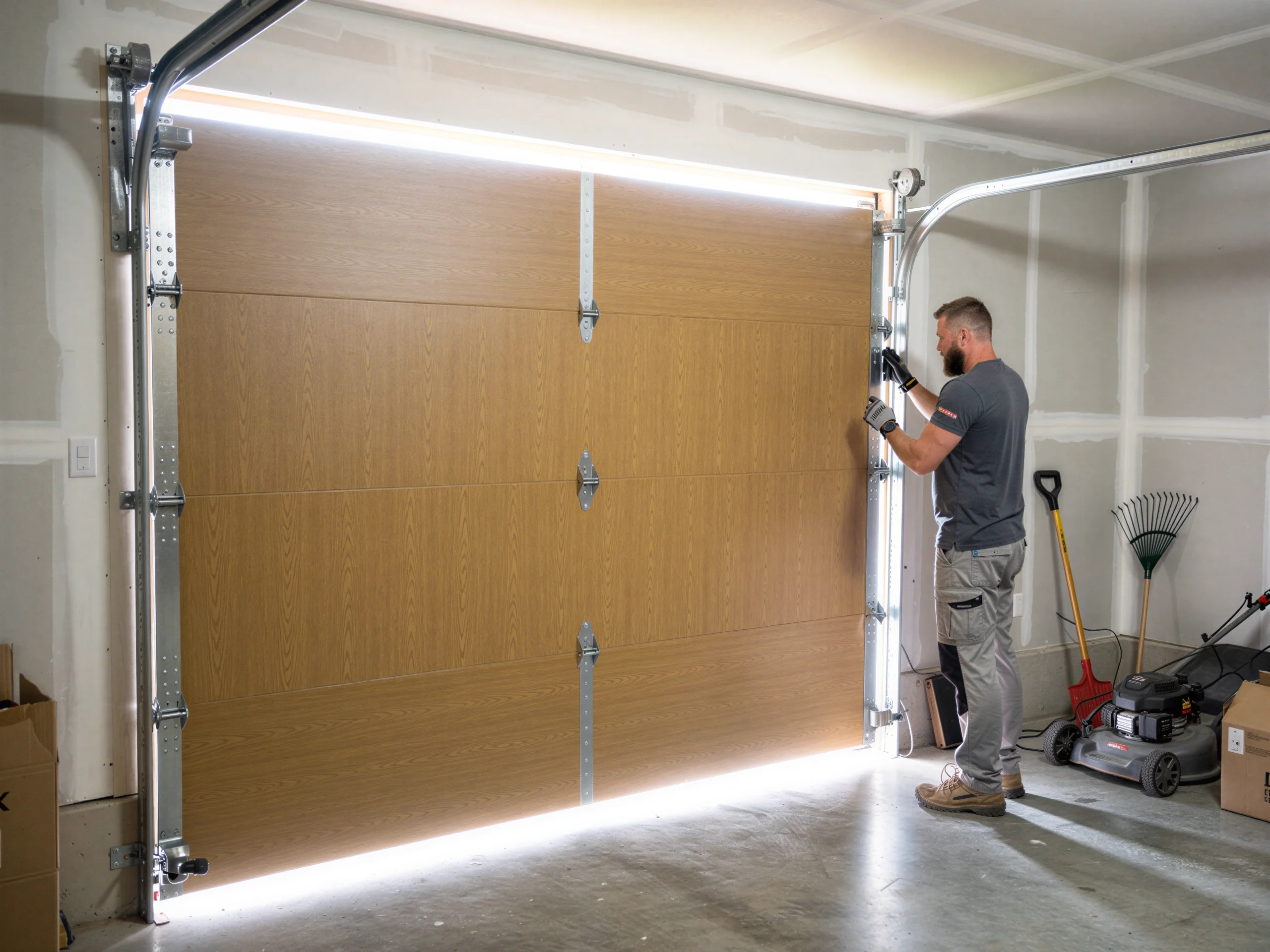
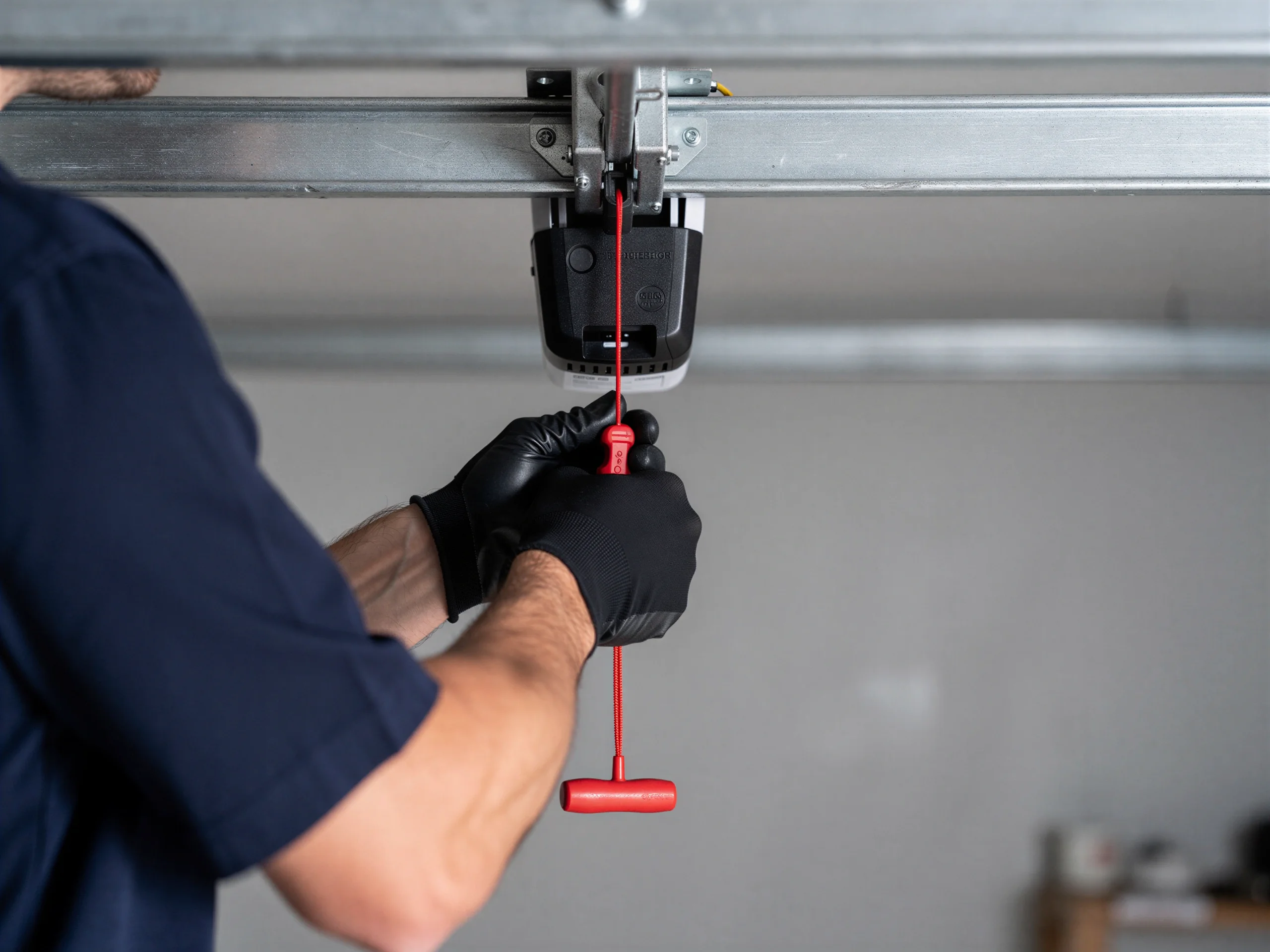
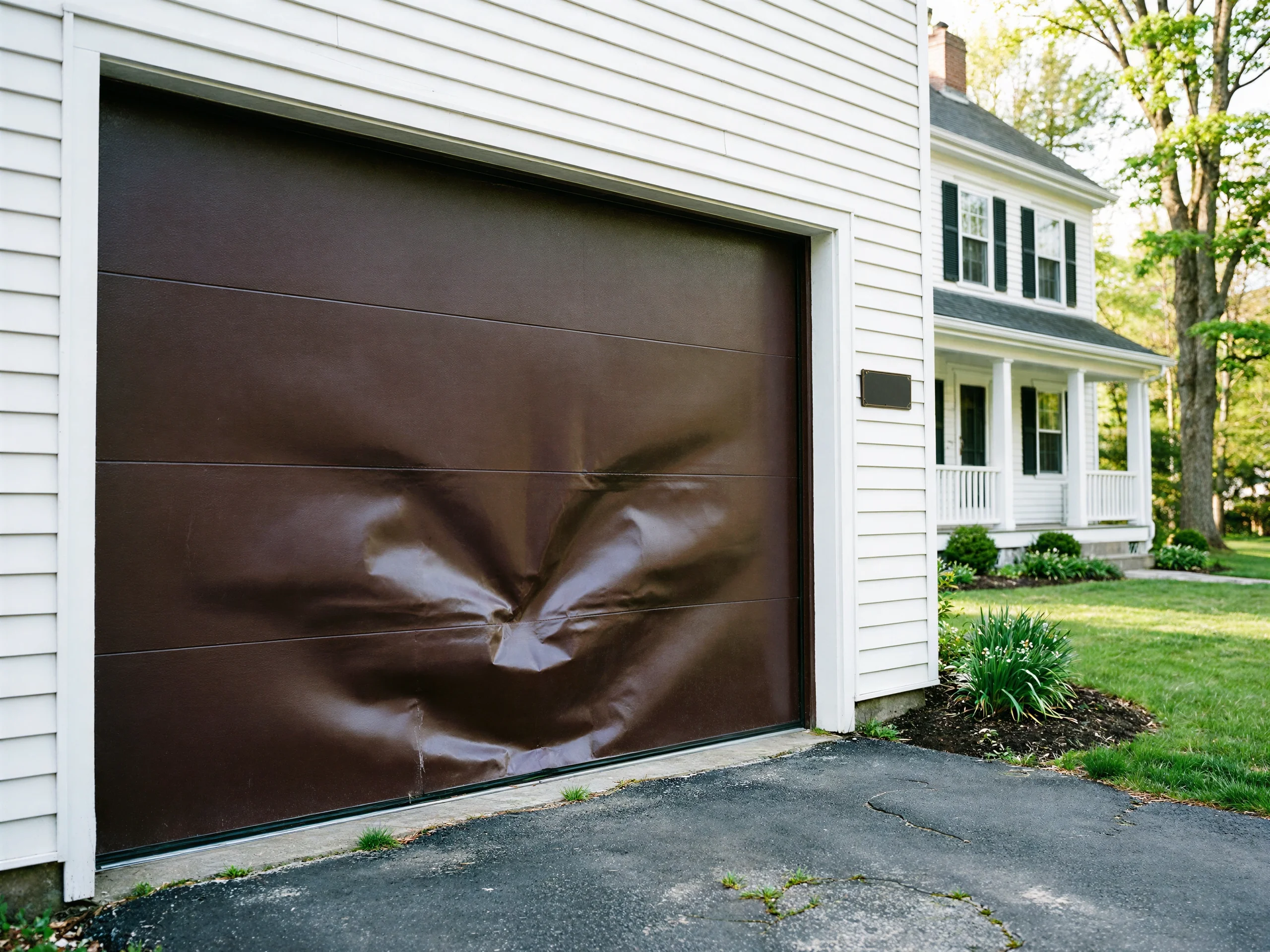
Panel Replacement
Most Orange garages went up around 1963, and the panel hardware is often original. Learn more →Ready when you are
Garage door off its track in Orange?
Milford Garage Door Pros repairs and installs garage doors, springs and openers in Milford, CT and the surrounding area.