Orange, Milford
New Garage Door Installation for Orange Homes
Garage door installation for Orange, CT homes built around 1963. We drive the 5 miles from Milford with the spring, track, and panel sizes this era actually needs.
Why It Happens Here
The drive from our Milford shop to Orange is about five miles, which matters more than it sounds. It's close enough that we load the truck once - door, track, spring set, and the hardware that fits a 1963-era opening - and don't have to turn around mid-job for a part we guessed wrong on. That matters here because Orange's housing runs older than you'd think for a town this size: most of it went up around 1963, a good eight years ahead of the 1971 median across the rest of the area we cover. A door built for a 1963 garage, sized for a single steel panel and a light opener, doesn't match what's sold today. Openings framed sixty-some years ago often run narrow by current standard widths, and the jamb framing wasn't built with an insulated two-inch panel door in mind. On top of that, this is a COLD-severe climate zone, so the gap between an old single-layer door and a new insulated one shows up fast in a winter heating bill, not just in looks. That combination - older framing, heavier modern doors, real cold - is why installation here is rarely a drop-in swap. It usually means reframing or resizing before the new door goes up.
Stocked Parts
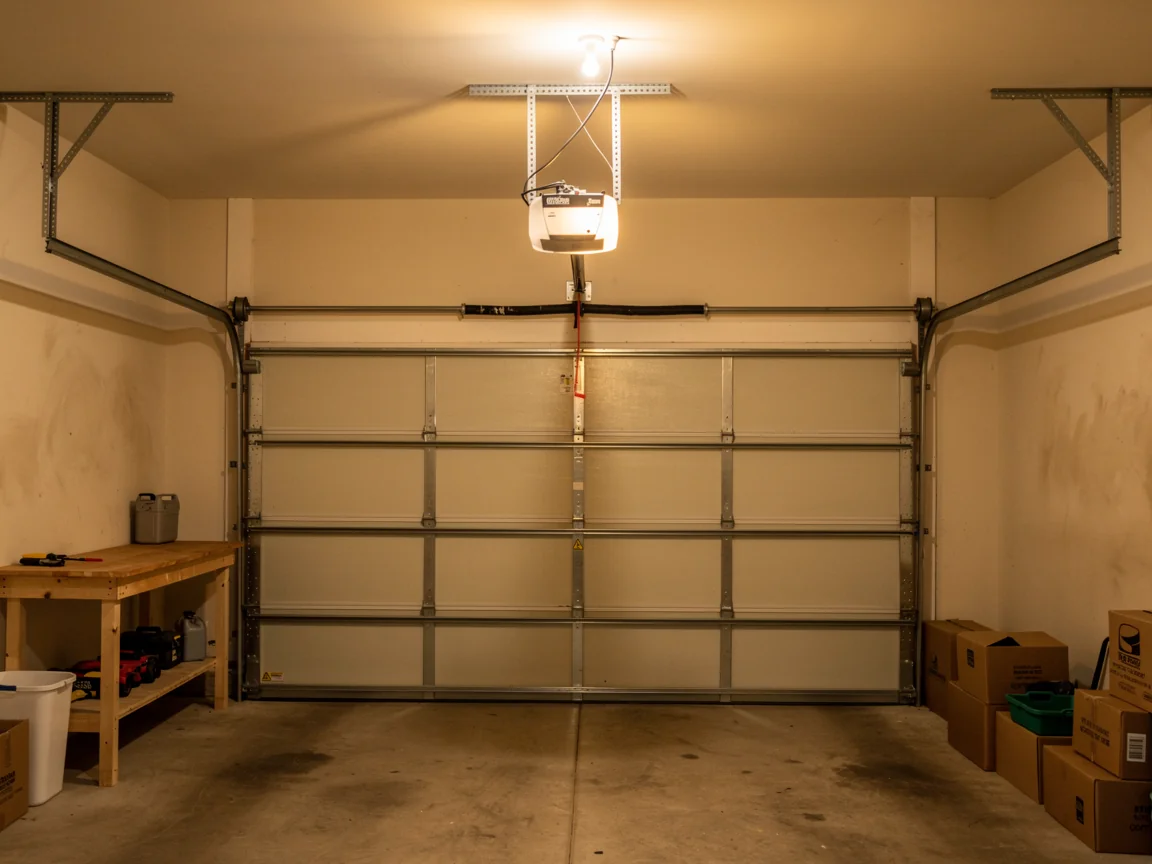
Because so many Orange garages share that early-1960s build window, we carry the torsion spring sizes and jamb hardware that era calls for on the truck, not on backorder. A door from 1963 typically ran on a lighter torsion spring than what a modern insulated panel needs, so when we're replacing rather than repairing, we bring heavier-wind springs rated for the new door's weight, standard 2-inch track for wider openings, and jamb brackets sized to handle a taller rough opening if the frame needs building out. What we don't stock on the truck is anything custom-width - if your opening runs outside standard sizing, that's a special order, and we'll tell you the lead time before we start, not after.
What the Fix Involves
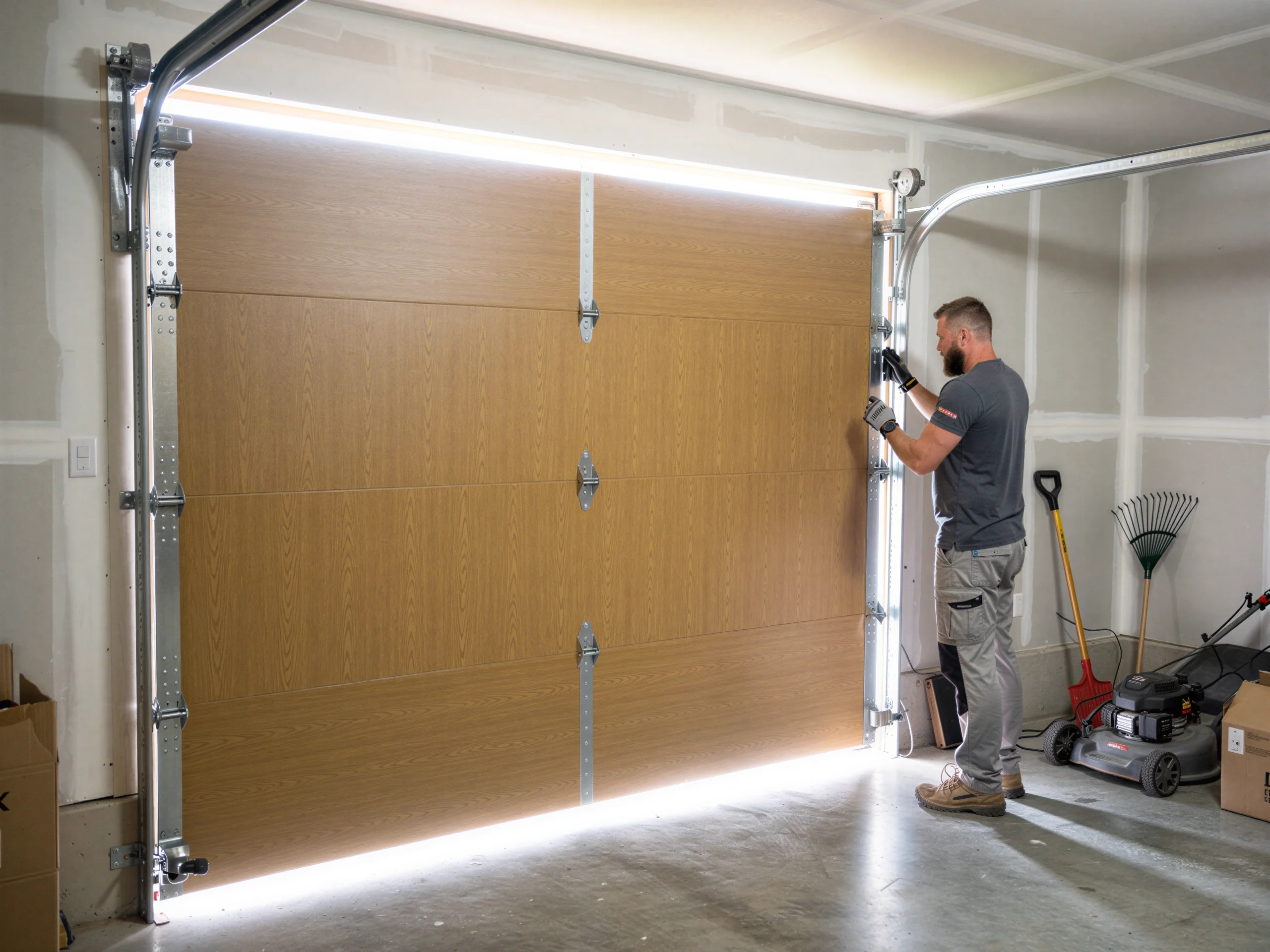
Installation starts with measuring the actual opening, not trusting the old door's dimensions, since framing from the 1963 wave of construction often settled or shifted over sixty years.
Jamb inspection before install
We pull the old door, inspect the jamb for rot or movement (common where the original framing wasn't treated lumber), and square it before the new unit goes in.
Spring sized to new weight
Track gets reset to plumb, the spring is sized to the new door's actual weight - heavier insulated panels need more torque than the single-layer doors they're replacing - and the opener gets remounted or upgraded if the old bracket won't hold the new door's travel.
Weatherseal fit for cold
For a COLD-severe climate like this one, we also check weatherstripping and bottom seal fit, since a gap that didn't matter on a thin 1960s door becomes a real draft on a taller insulated one.
How Long It Takes
A straight swap - same opening size, no reframing - usually runs a single day once the door and hardware are on site. Where the 1963-era framing needs squaring or widening to fit a standard modern door, add time for carpentry before the door itself goes in. We won't know which situation yours is until we measure the opening in person; guessing on an older house like this one usually guesses wrong.
Can You Do This Yourself
Swapping a garage door yourself is possible if you've done torsion spring work before and the opening doesn't need reframing.
Spring tension risk for installs
Most homeowners haven't, and the spring on a new insulated door carries more tension than the one it replaces - that's the part that puts people in the ER, not the panel installation.
Framing work needs carpentry
If your Orange home's opening needs widening or the jamb has shifted, as a lot of 1963-vintage framing has, that's carpentry most people don't have the tools or experience for either. We'll say plainly: if the door swap is simple and you're comfortable with spring tension, you can do it. If the frame needs work, call.
What You Pay
We don't have a published price list for this page, and quoting a number without seeing your opening would be a guess, not a fact. What we can tell you is what drives the cost here specifically: whether your 1963-era opening needs reframing before a standard door fits, whether the old spring and track can be reused or need full replacement for a heavier insulated panel, and the door size and insulation level you pick. Households in this part of our service area run a median income well above the broader area we cover, and a fair number choose higher-end insulated doors for that reason - but the framing condition, not the budget, is usually what moves the price most.
Questions
Common questions
Do you have a branch or shop in Orange?
No. We run out of Milford, about five miles away, and travel to Orange for every job. There's no local depot here - just a short drive and a truck stocked for the hardware this town's housing stock typically needs.
Will my 1963 garage opening fit a standard new door?
Sometimes. A lot of Orange homes from that era have openings narrower than current standard widths, and the jamb framing may need squaring or widening. We measure before quoting a door size rather than assuming the old opening matches today's standards.
Is a new insulated door worth it in a cold climate like this?
For a 1960s-built single-layer door in a COLD-severe zone, yes - the difference in draft and surface temperature is noticeable. We can't promise a specific energy savings number since we don't have that data, but the insulation gap between old and new is real.
Explore more
More Services in Orange
Cable Repair
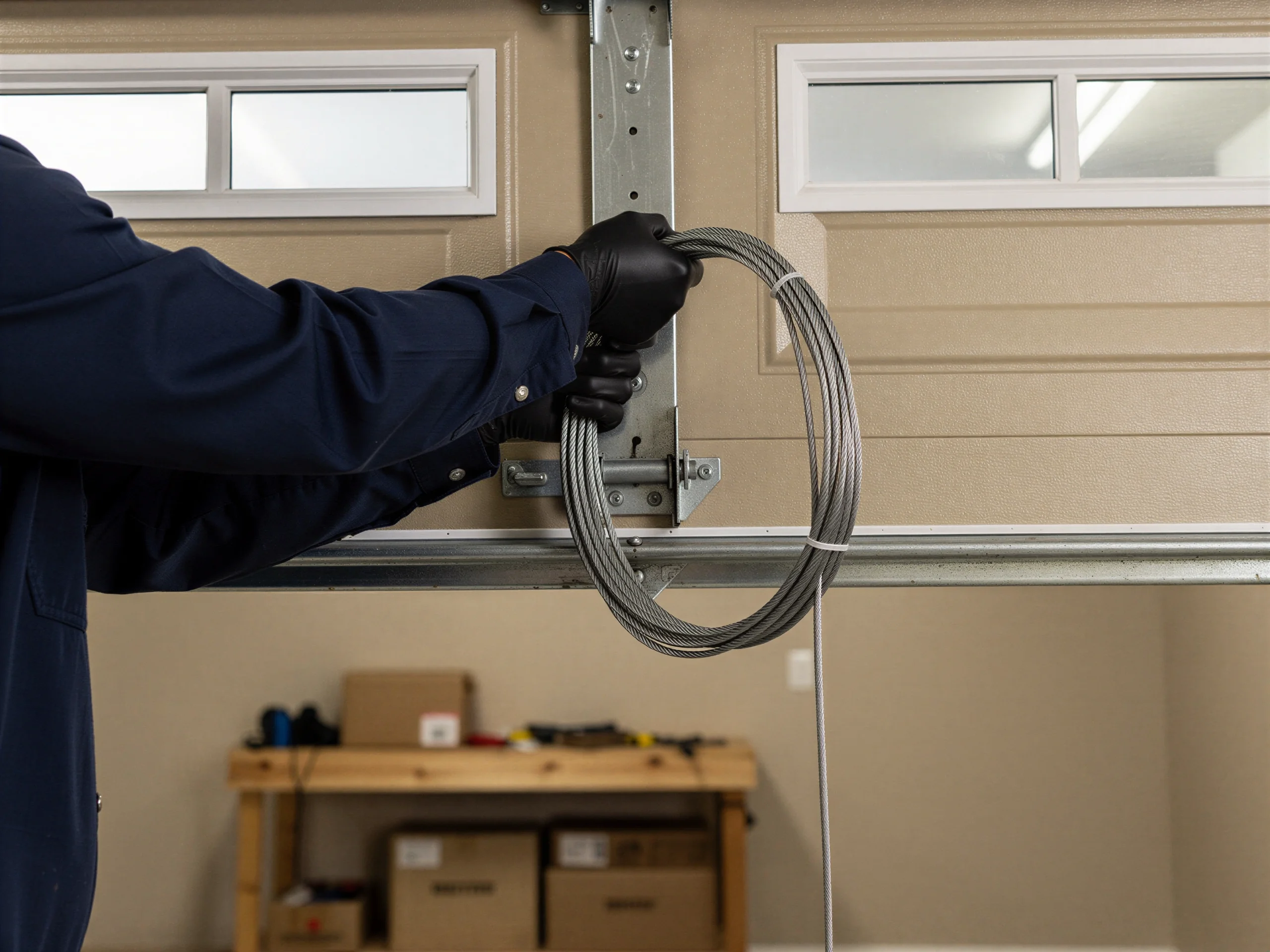
Cable repair for Orange, CT homes built around 1963, served from our Milford shop 5 miles away. Learn more →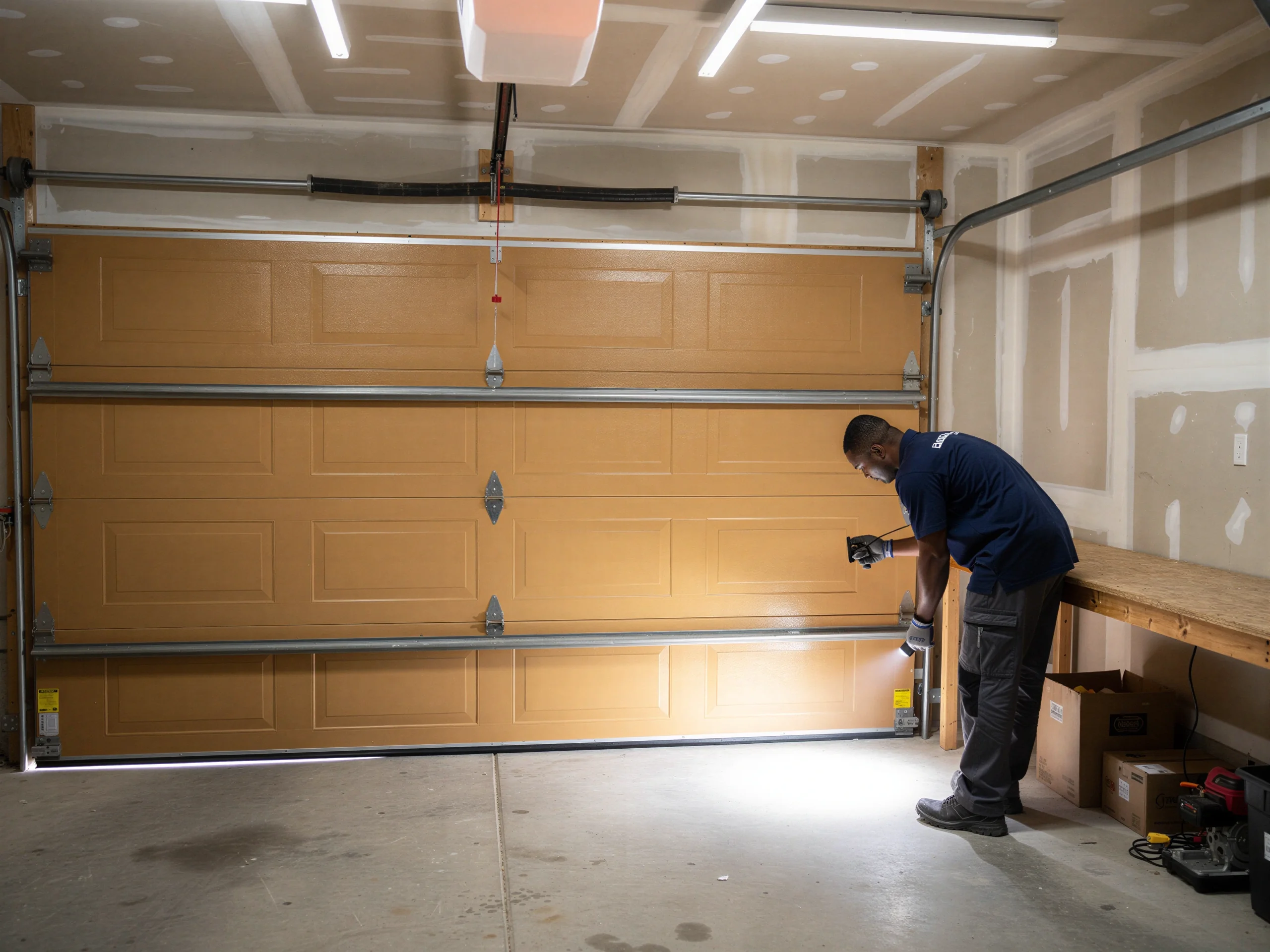
Garage Door Repair
Orange homes date mostly to 1963, with steel doors on side-mounted torsion springs that wear out in Connecticut winters. Learn more →
Garage Door Service
Orange homes went up around 1963, mostly with extension-spring doors on horizontal track. Learn more →
Maintenance
Orange, CT homes built around 1963 are reaching the age where springs and openers need real upkeep, not just a squirt of oil. Learn more →
Off Track Repair
Orange homes date to 1963, earlier than the wider Milford service area's 1971 median. Learn more →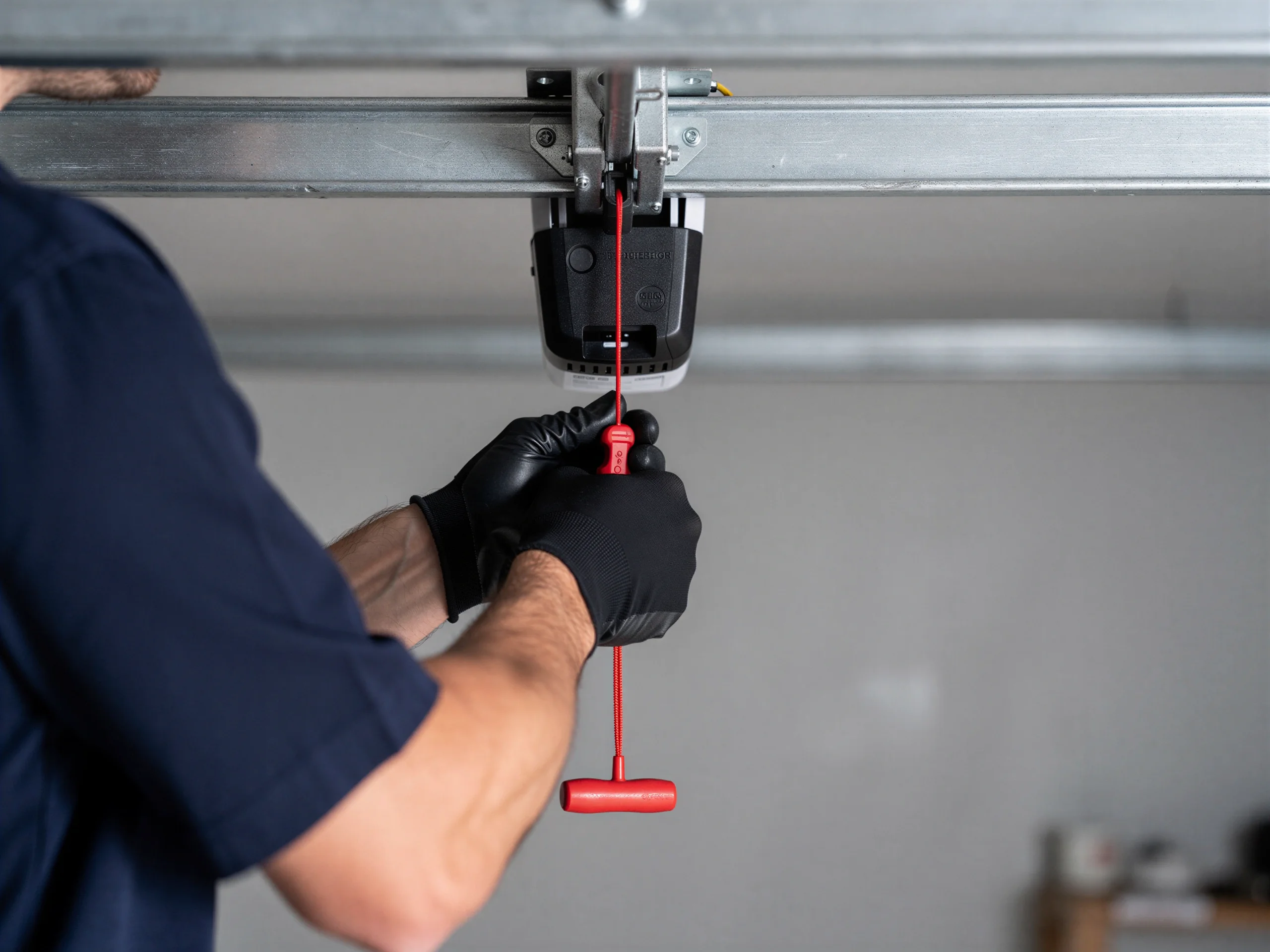
Panel Replacement
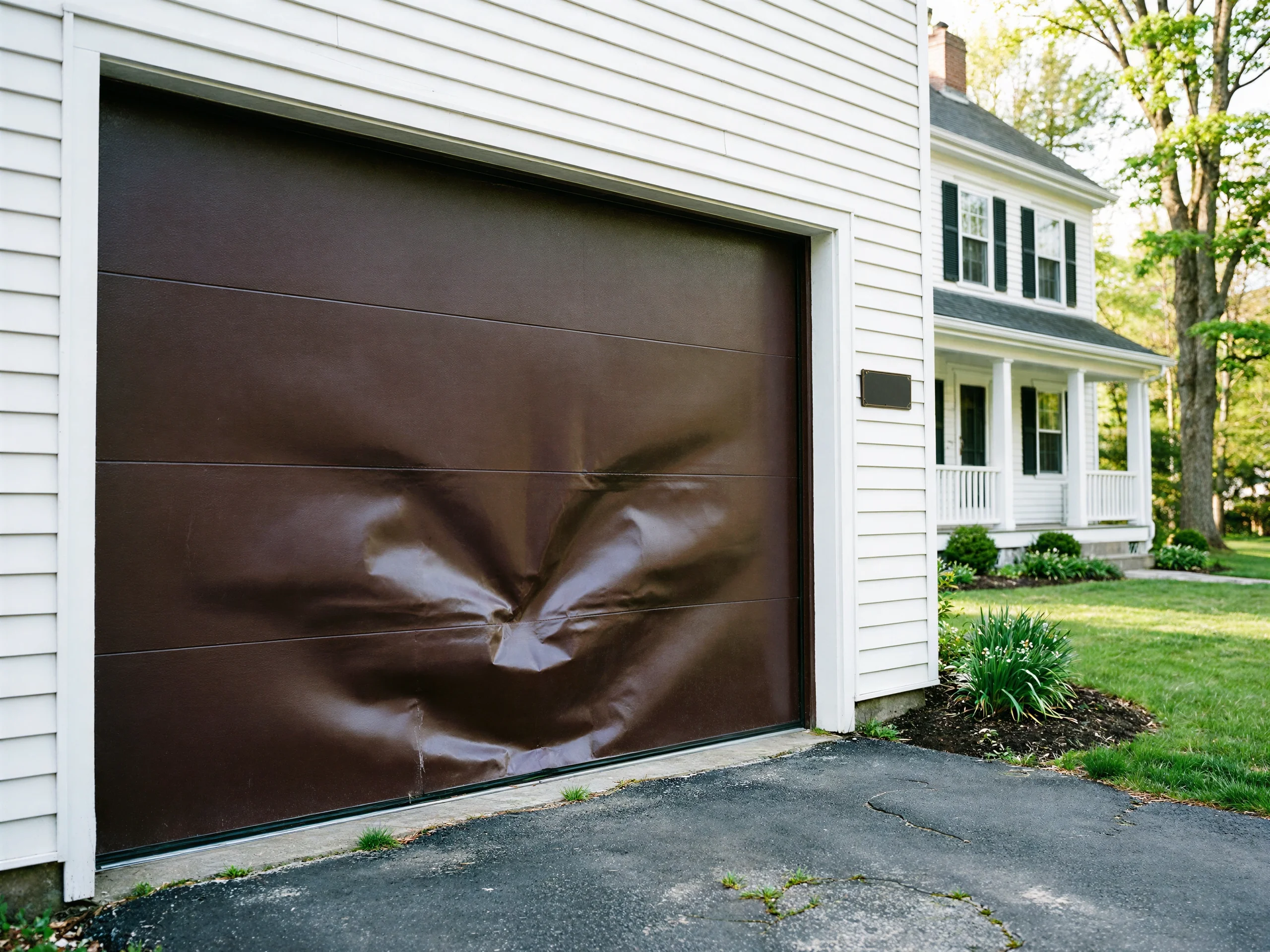
Most Orange garages went up around 1963, and the panel hardware is often original. Learn more →Ready when you are
Ready for a new garage door in Orange?
Milford Garage Door Pros repairs and installs garage doors, springs and openers in Milford, CT and the surrounding area.