Orange, Milford
Keeping 1960s-Era Garage Doors Running in Orange
Orange, CT homes built around 1963 are reaching the age where springs and openers need real upkeep, not just a squirt of oil. Serviced from Milford, 5 miles away.
Why It Happens Here
Start with the number that actually matters: median household income in Orange runs $145,625, well above the $126,807 average across the wider service area we cover from Milford. That gap changes the math on whether a worn part gets fixed or the whole door gets replaced - more owners here can afford to swap a tired opener for a quieter, better-insulated one instead of nursing it along for another two winters.
But the income doesn't change the hardware sitting in the garage. Most houses in Orange went up around 1963, squarely inside the 1954-1986 building wave that shaped this whole part of Connecticut, and most of that stock is 1960s-70s construction specifically. That means original torsion springs, steel tracks, and hardware that's now 50-plus years removed from install, whether or not anyone's touched it since. Springs rated for a certain number of cycles don't care what the house is worth - they wear the same in a $145,000-income town as anywhere else. The difference here is more owners catch the wear before the spring snaps, because a maintenance call is a smaller decision to make.
Stocked Parts
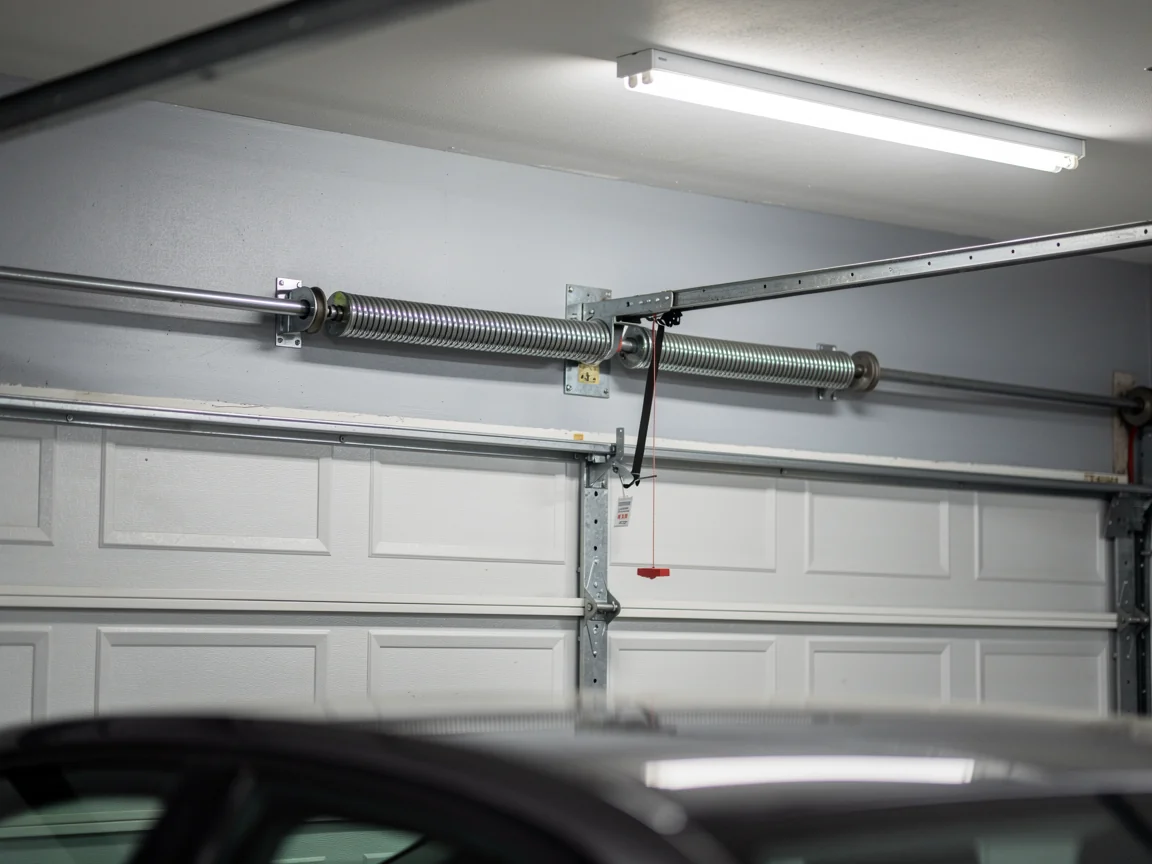
We carry the parts that actually fail on doors from this era: torsion springs sized for the heavier wood and steel panels common on 1960s and 70s construction, steel rollers to replace the nylon ones that have gone brittle, and standard-width tracks that fit the older door widths still common in this part of the service area. We don't carry every spec for every custom door ever made - if your door is an oddball width or a newer composite panel system, a part may need to be ordered, and we'll tell you that up front rather than make you wait at the curb to find out.
What the Fix Involves
A maintenance visit on a door this age starts with the spring - checking tension, looking for rust pitting or stretched coils, since steel that's been through fifty-plus Connecticut winters under this region's severe cold band doesn't flex the way it did new.
Checking for hairline cracks
Cold stiffens lubricant and makes metal more brittle, so we check for hairline cracks before they become a full break. From there it's rollers, the track alignment they ride in, and the cables that run alongside the spring system - all original-era parts unless a prior repair already swapped them.
Opener force calibration
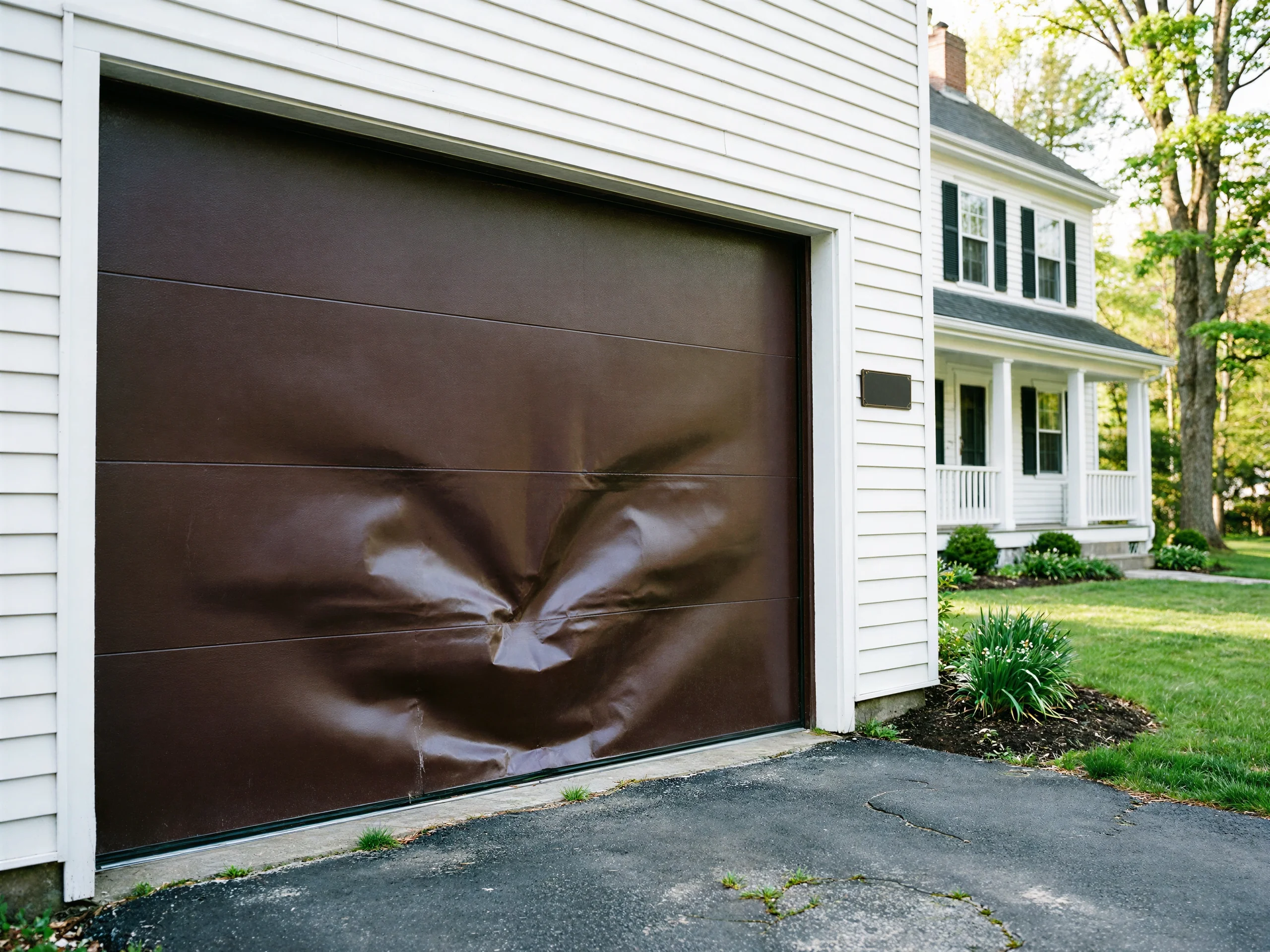
We check the opener's force settings too, since a motor straining against a stiff, aging spring wears out years before it should. If the panel itself has started to sag or bow, that's a separate conversation from maintenance, and we'll say so rather than patch around it.
How Long It Takes
A standard maintenance check on a single door - spring, rollers, track, cables, opener settings - takes under an hour once we're on site. If the inspection turns up a cracked spring coil or a cable close to fraying, replacing that part on the spot usually adds another 30 to 45 minutes, since we're already carrying the common sizes for this era of hardware. What we can't promise is a same-day slot or a fixed arrival window here - Orange is served from Milford, not from a crew based in town, so timing depends on the day's route.
Can You Do This Yourself
Lubricating hinges and rollers, tightening loose bolts on the track brackets, and visually checking cables for fraying are all fine to do yourself, and worth doing a couple times a year on a door this old.
Leave torsion spring alone
What isn't worth doing yourself is touching the torsion spring. A spring wound for a door built in the 1960s or 70s carries real tension, and loosening or replacing it without the right bars is how people end up in the emergency room, not just annoyed.
Signs needing a pro
If you can see rust pitting, a gap in the coil, or the spring looks stretched compared to its neighbor, that's a call, not a weekend project.
What You Pay
We don't have a flat number to quote here since every door's hardware and condition is different, and FACTS for this page don't include a set price list for Orange specifically. What we can say is that at an income level like the one common here, replacing a failing spring or opener outright often costs less over a few years than repeated service calls on parts original to a 1963-era house - the decision tends to favor replacement sooner than it would in a lower-income household working with the same worn hardware. Ask for a number before any work starts, and you'll get one in writing, not an estimate that moves once the truck's in the driveway.
Questions
Common questions
How old is the garage door hardware in most Orange homes?
Most houses in Orange were built around 1963, part of the broader 1954-1986 wave across this area. That means original torsion springs, tracks, and rollers in a lot of garages are approaching or past 50 years old, even in houses where nothing's visibly broken yet.
Does Milford Garage Door Pros have a branch in Orange?
No. We're based in Milford and drive the roughly 5 miles into Orange for service calls. There's no local depot or branch here, so scheduling depends on the day's route rather than a fixed response window.
Is it worth replacing an old opener instead of repairing it?
Often yes, especially in a town like Orange where median household income runs well above the regional average. Replacing a failing opener outright tends to cost less over time than repeated repairs on a unit that's already straining against a stiff, aging spring.
What maintenance can I safely do myself?
Lubricating hinges and rollers, tightening loose track bolts, and checking cables visually for fraying are all reasonable DIY tasks. Anything involving the torsion spring itself should go to someone with the right tools - the tension on a spring this age can cause serious injury if handled wrong.
Explore more
More Services in Orange
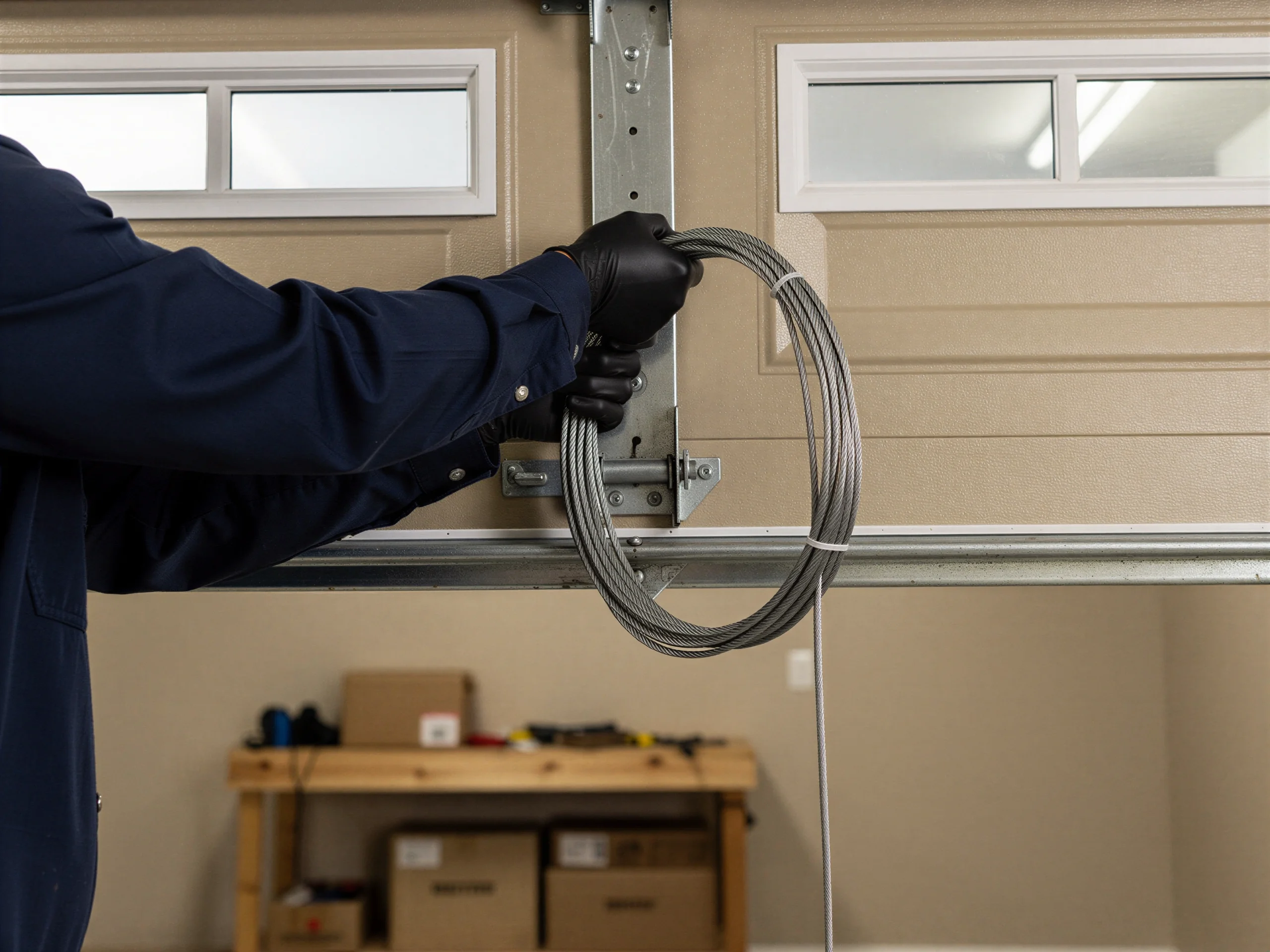
Cable Repair
Cable repair for Orange, CT homes built around 1963, served from our Milford shop 5 miles away. Learn more →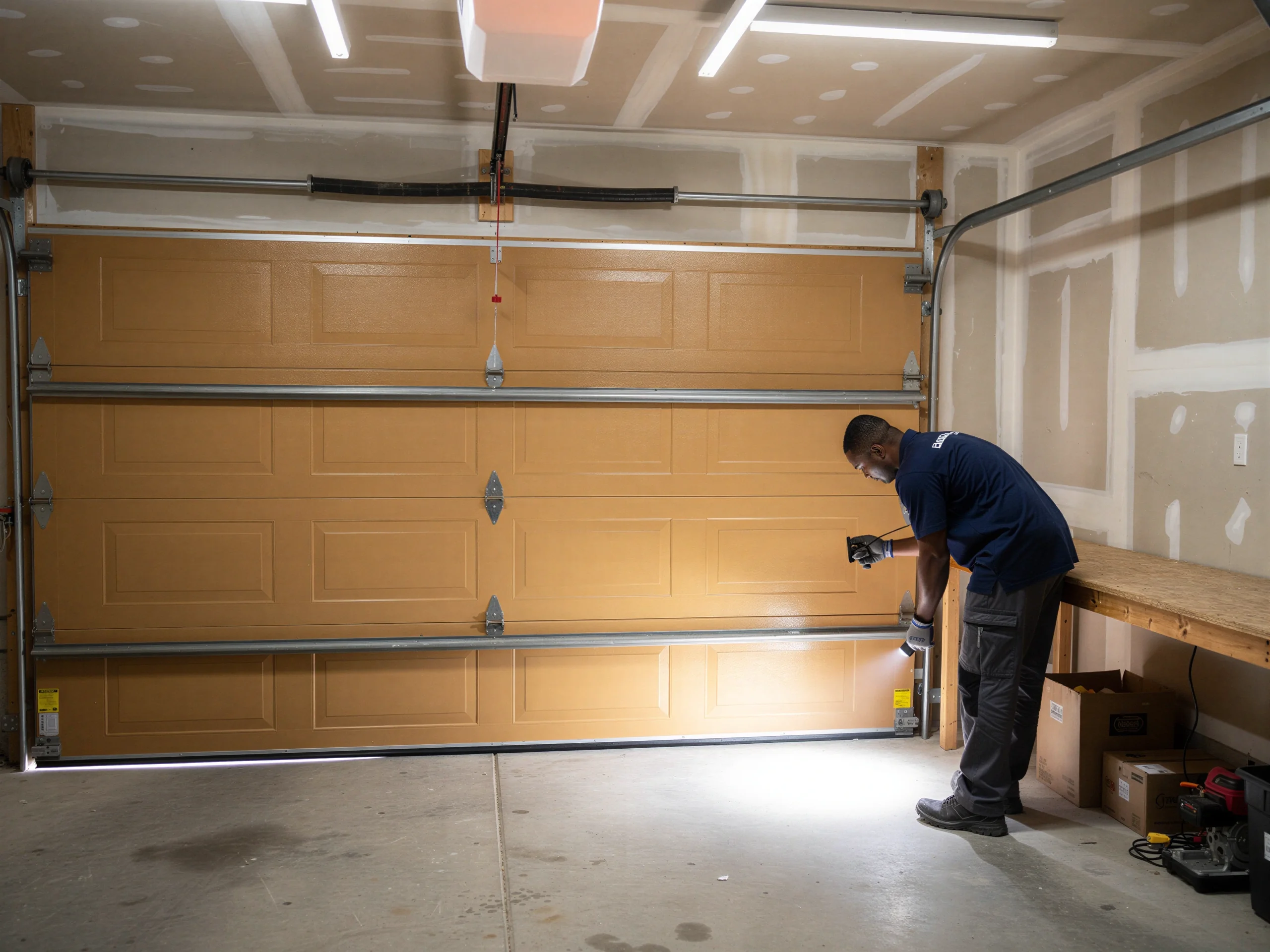
Garage Door Repair
Orange homes date mostly to 1963, with steel doors on side-mounted torsion springs that wear out in Connecticut winters. Learn more →
Garage Door Service
Orange homes went up around 1963, mostly with extension-spring doors on horizontal track. Learn more →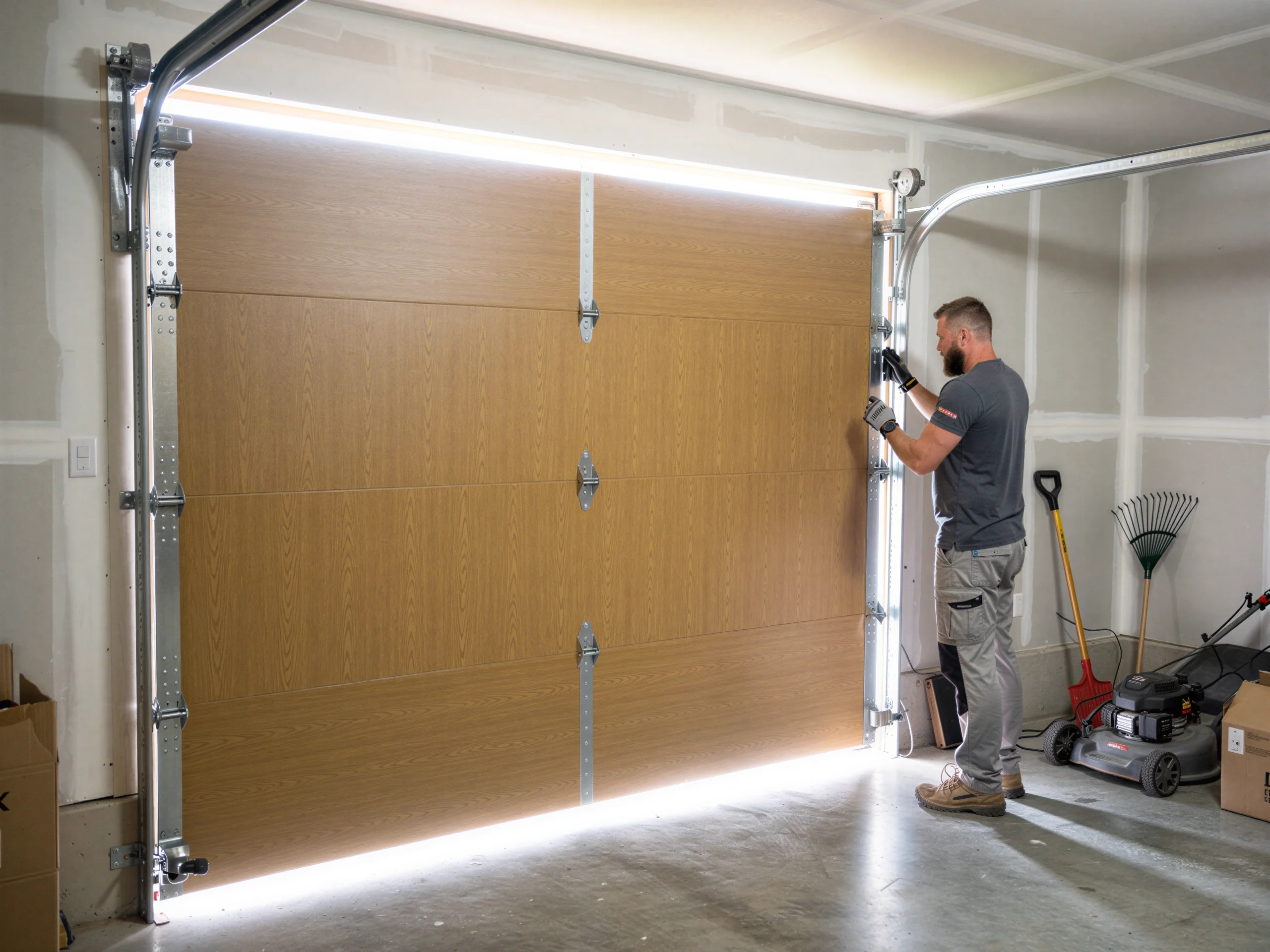
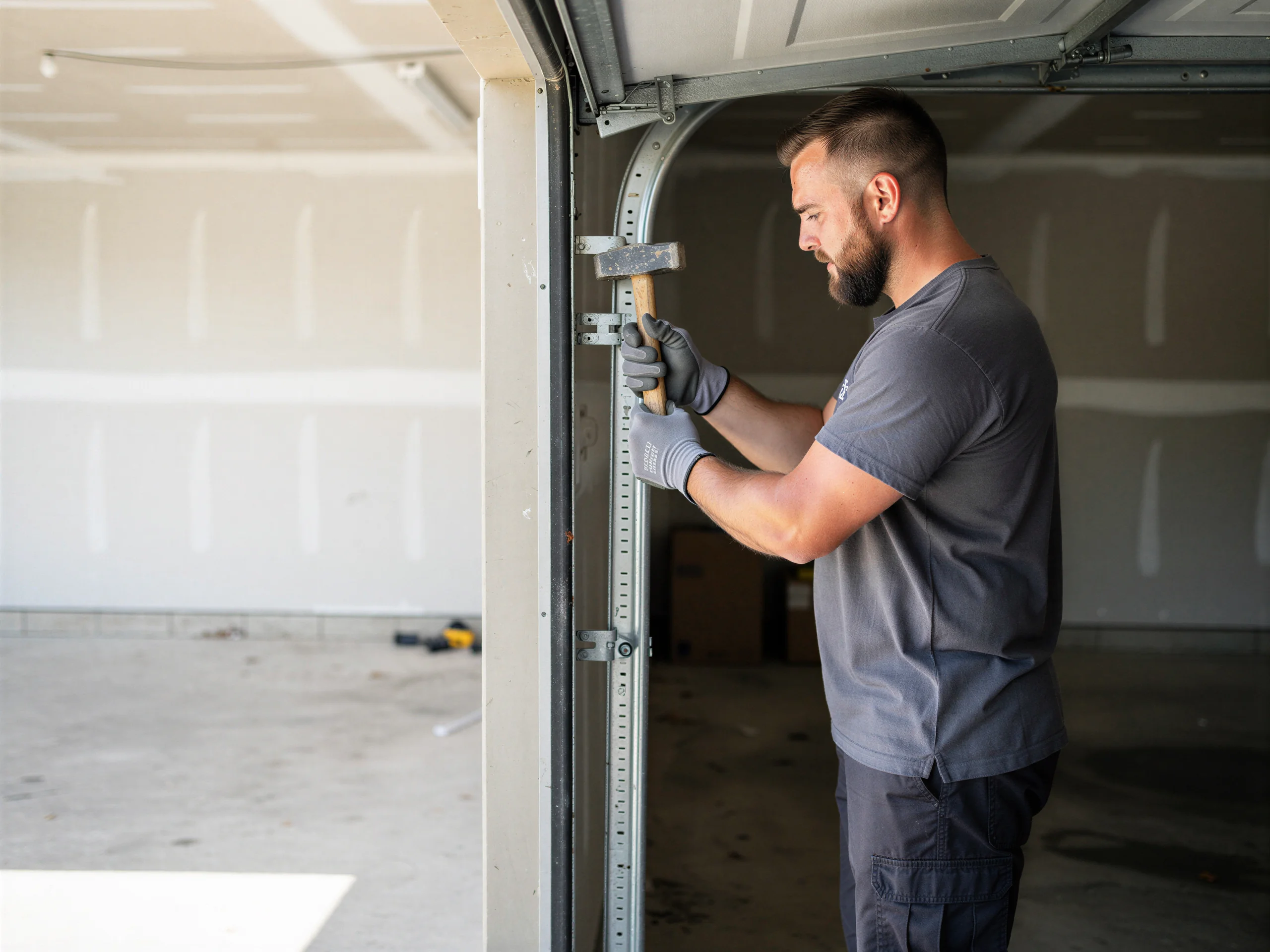
Off Track Repair
Orange homes date to 1963, earlier than the wider Milford service area's 1971 median. Learn more →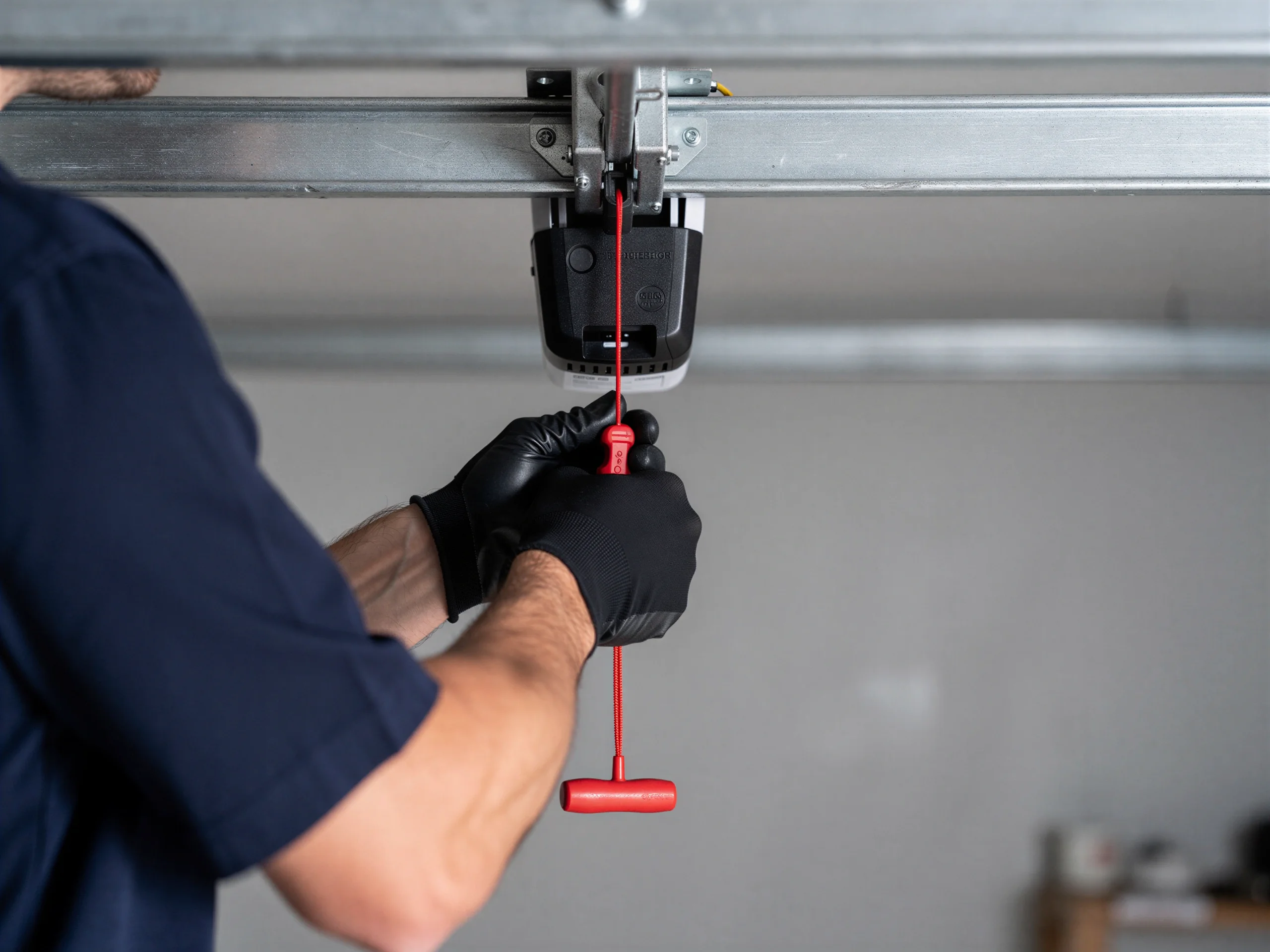
Panel Replacement
Most Orange garages went up around 1963, and the panel hardware is often original. Learn more →Ready when you are
Time for a garage door tune-up in Orange?
Milford Garage Door Pros repairs and installs garage doors, springs and openers in Milford, CT and the surrounding area.