Guilford, Milford
New Garage Doors for Guilford's 1970s Housing Stock
Guilford's 8,770 households sit mostly in 1973-era houses; Milford Garage Door Pros installs cold-rated doors sized for those original openings, 20 miles out.
What You Pay
Guilford is a town of about 8,770 households, not a dense job mix. That size doesn't change what a door costs, but it does change how we price the drive out: a Guilford installation comes out of Milford as a dedicated trip, 20 miles each way, built into the quote rather than tacked onto a day already full of local jobs.
House drives the price
What moves the price here is the house itself. With most of Guilford's housing dating to 1973, square in the area's 1954-1986 building run, the common call is a single steel door on an opening framed for older hardware - replacing that with a new insulated door means new track, new jamb seal, sometimes a header adjustment, and that's labor beyond the slab price of the door itself.
Upgrades owners choose
Household income in town runs a median $130,036, well above what moves the needle on options: more Guilford owners spec the higher-R-value panel and a quieter belt-drive opener rather than the base steel door most jobs start from.
Opening size and header
We don't have a flat number to print here - every one of those variables above changes it - but the two things that move it most are opening size and whether the old jamb and header need rework to take a modern door.
Stocked Parts
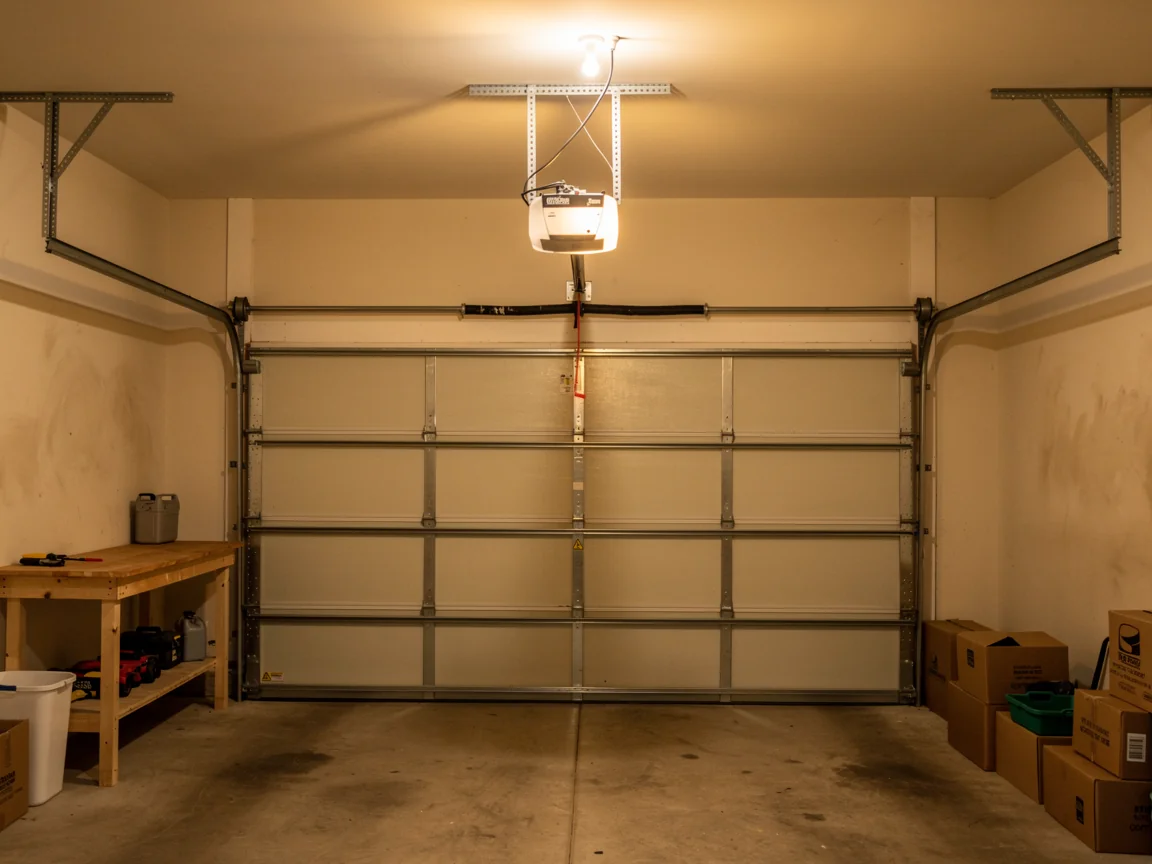
The parts load for a Guilford job looks different from a job in a newer subdivision. Houses built around 1973 mostly ran torsion springs sized for a single steel door and a lightweight panel, not the heavier insulated sections sold today, so swapping in a new door usually means swapping the spring size and the drum along with it - the old torsion bar won't carry the new door's weight safely.
Narrow jamb brackets
Jamb brackets from that era are often the narrower profile, built before current double garage openings were standardized wider, which is why a straight panel swap on an original 1970s opening sometimes isn't possible without reframing.
Cold-rated weatherseal stocked
We carry the common spring sizes and track sections that fit this stock because it is what a 1954-1986 house in this area needs, cold-rated weatherseal included, since the area's cold climate band makes a loose bottom seal a real heat loss, not just a nuisance draft.
Custom widths ordered ahead
What we don't carry on the truck is anything custom-width for an opening that's been altered from the original framing - that gets measured and ordered ahead of the install date, which adds a few days to the job here that a stock-size swap doesn't.
What the Fix Involves
On a typical Guilford install, the crew starts by checking whether the opening is original. Most of the town's houses date to 1973, and that generation of garage was framed for a single-layer steel door on side-mounted torsion hardware, not the wider, heavier insulated doors sold now.
Confirming frame first
If the jamb and header are original, the first real step isn't hanging the new door - it's confirming the frame can take it, resetting the track plumb, and in some cases shimming the header before the new panel ever goes on the hinges.
Standard install sequence
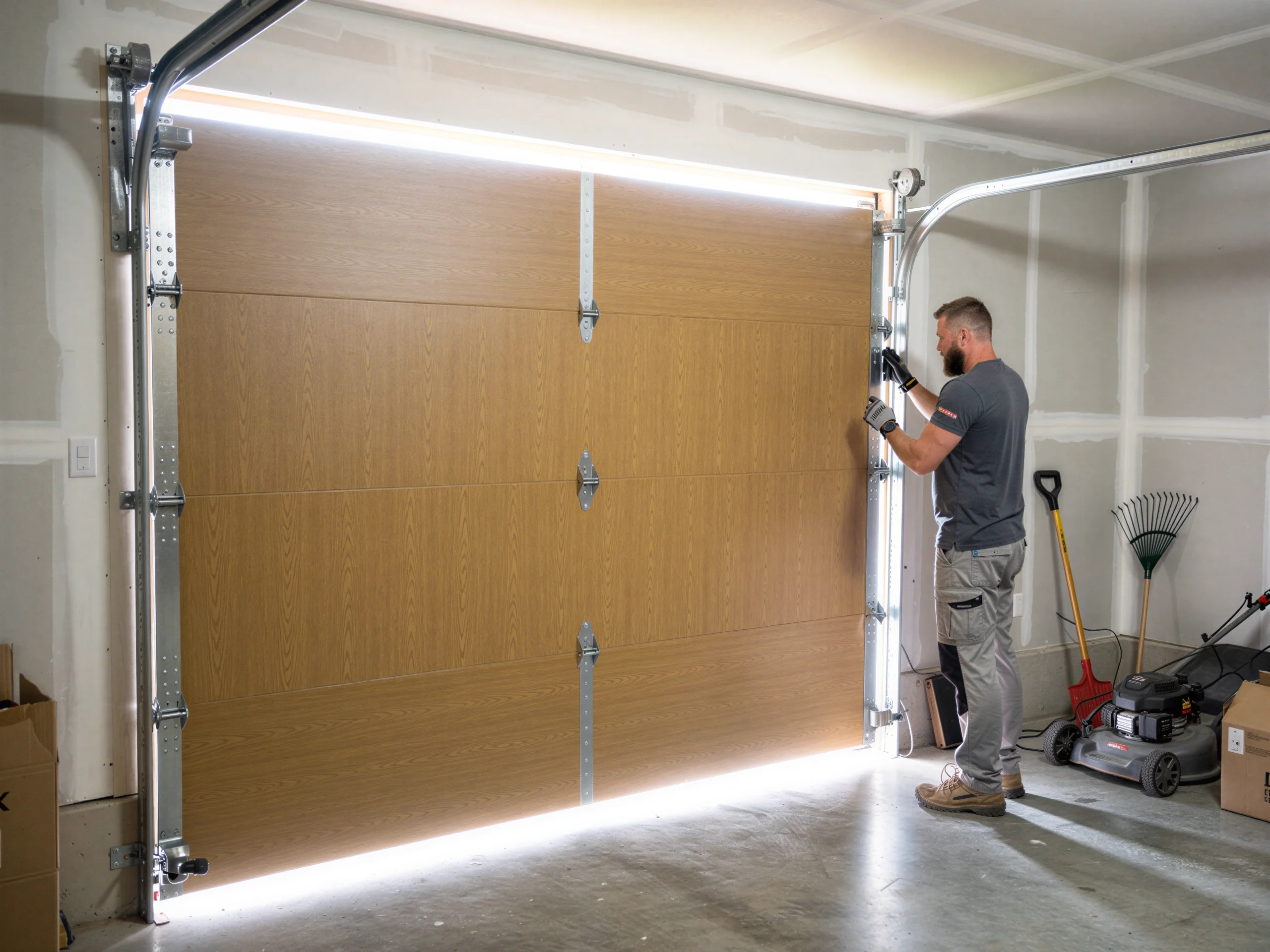
Once the frame is sound, the job runs the usual sequence: remove the old door and springs, mount new track and drums sized to the new door's weight, hang the panels, set the new torsion spring to balance, and wire in the opener.
Seal checks last
Because the area sits in a cold climate band with real winter load, the last step that matters here is the seal - bottom astragal, jamb weatherstrip, and the header gap all get checked, because a door that balances fine in the shop but leaks air at the slab doesn't do the job a Guilford winter asks of it. The one thing this doesn't cover is structural repair to a header or jamb that's rotted or out of square - that's a separate carpentry job we flag before quoting the door, not something bundled into the install price.
The Symptom
The symptom that usually turns into a Guilford installation call, rather than a repair call, is a door that still runs but won't seal or balance right anymore. On a house from the early 1970s, that's often the original door itself - thin single-layer steel, no insulation, hardware that's decades past the spec it was built to. The door opens and closes, the opener still works, but the bottom seal has compressed flat, the panels have started to bow, and cold air comes through the gap at the floor in a way weatherstripping alone won't fix. That's different from a spring snapping or a cable fraying, which is a repair regardless of the house's age. The call to replace instead of patch usually comes down to the math: a 1973-era door with a worn-out panel and undersized hardware for modern code loads is close enough to the end of its service life that spending repair money on it doesn't buy much more time. If the door is newer, or the only problem is a broken spring or a bent panel from a backed-into mishap, that's a repair, and we say so rather than selling a replacement a working door doesn't need.
Questions
Common questions
How far out is Guilford from your Milford shop?
About 20 miles, so Guilford installs go on the schedule as a dedicated trip rather than a stop between closer jobs. We still quote and install there, just with that drive built into the date we can offer.
Will a new door fit my original 1970s opening?
Usually with some adjustment. Most Guilford houses were framed around 1973 for a narrower single steel door, so hanging a new insulated door often means resetting track and jamb hardware, and sometimes a header shim, before the panel goes on.
Do you carry parts for older torsion hardware?
We stock the spring and drum sizes common to 1954-1986 era houses, which covers most of what's on Guilford garages. A custom-width opening that's been altered from the original framing gets measured and ordered ahead of the install date instead.
Explore more
More Services in Guilford
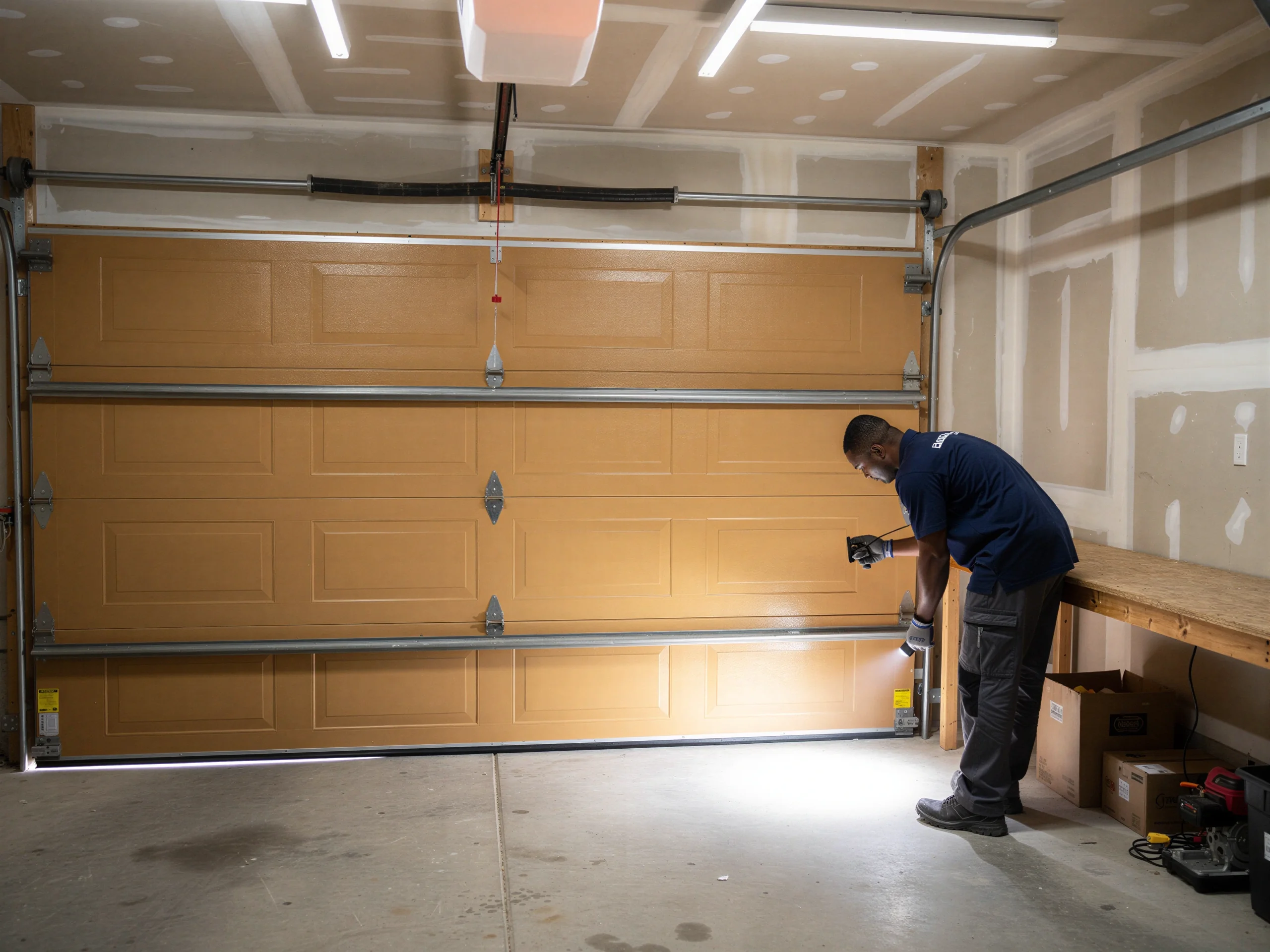
Garage Door Repair
Guilford's homes mostly date to 1973, so most doors here still run extension springs on the horizontal track. Learn more →
Garage Door Service
Garage door repair and installation in Guilford, CT, 20 miles from our Milford shop. Learn more →
Maintenance
Guilford's garage doors mostly date to 1973, slightly newer than Milford's average, which changes what a maintenance visit should check and replace first. Learn more →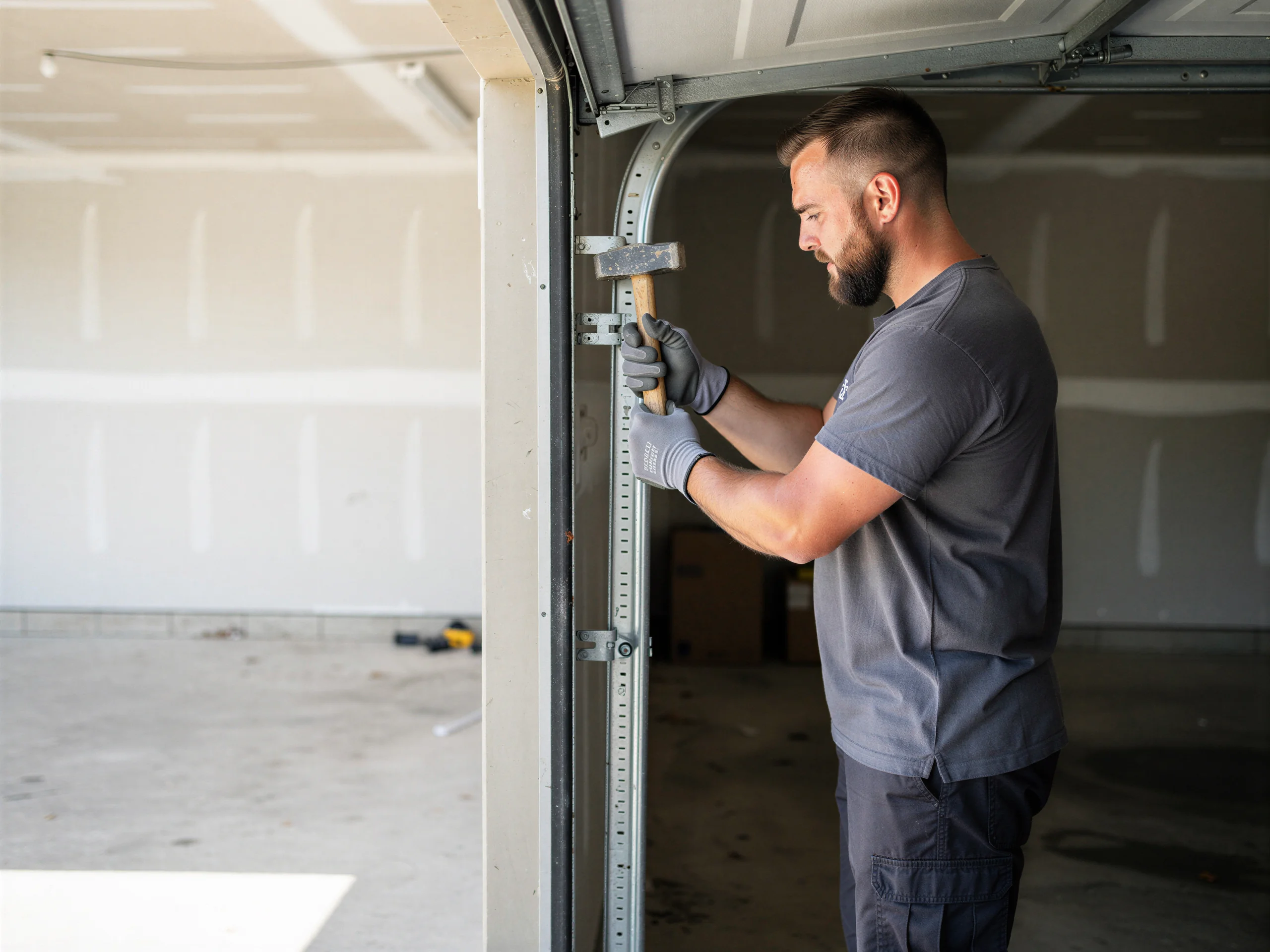
Off Track Repair
Guilford homes built around 1973 often run older track styles that bend or walk off their rollers. Learn more →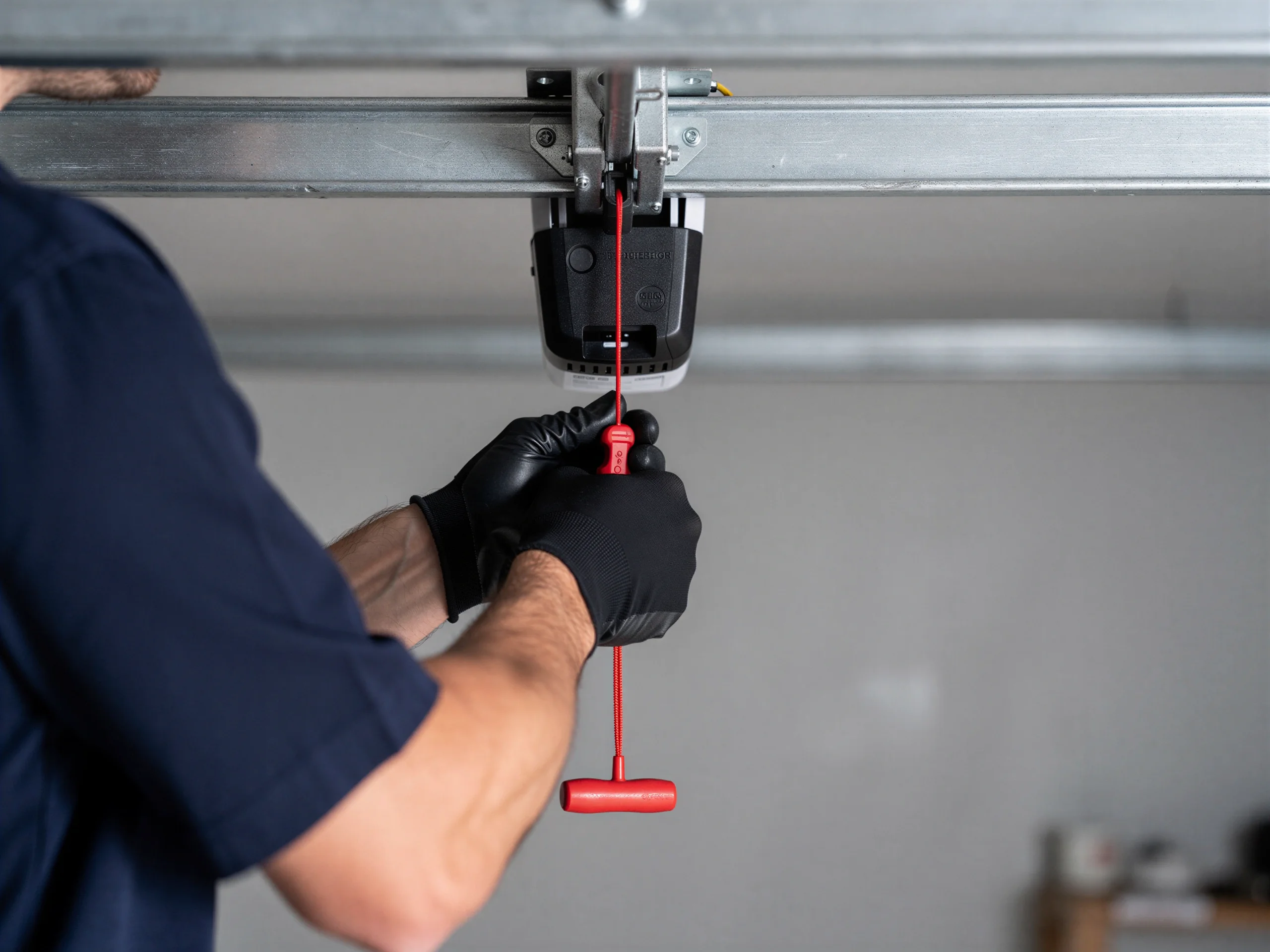
Opener Repair
Guilford homes built around 1973 often still run original chain-drive openers on steel track. Learn more →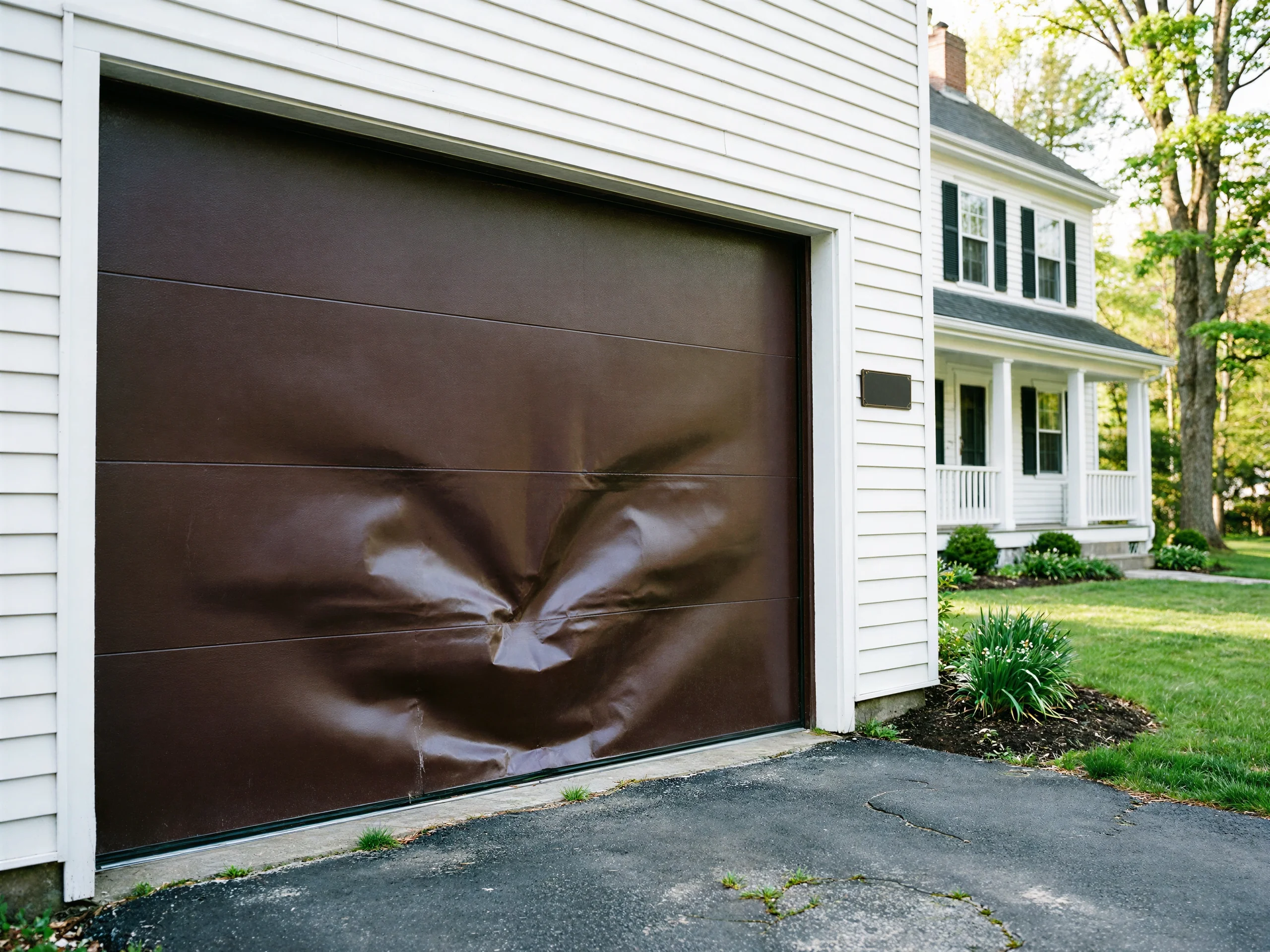
Panel Replacement
Guilford homes built around 1973 carry steel panel doors that don't match today's stock sizes. Learn more →Ready when you are
Ready for a new garage door in Guilford?
Milford Garage Door Pros repairs and installs garage doors, springs and openers in Milford, CT and the surrounding area.