Guilford, Milford
Garage Door Repair for Guilford's Early-1970s Doors
Guilford's homes mostly date to 1973, so most doors here still run extension springs on the horizontal track. We drive out from Milford to fix them.
What You Pay
We don't post a flat number here because what a Guilford door needs depends on what's actually hanging on it, and in this town that varies more than you'd think.
Extension springs in 1973
A lot of houses here went up around 1973, which was still solidly extension-spring territory for garage doors - springs that stretch along the horizontal track rather than torsion springs mounted overhead on a shaft. Replacing a pair of worn extension springs costs less than converting the whole setup to torsion, and converting costs less than swapping the whole door.
Diagnosis before work
We tell you which one your door actually needs before we touch anything, not after. Guilford sits about 20 miles from our Milford shop, farther than most of the towns we cover day to day, so we build the drive into scheduling rather than into the invoice.
No travel surcharge
You're not paying a travel surcharge - you're just one of the stops that takes longer to get to on a given day, so we ask up front what's wrong so we bring the right parts the first trip.
Owners want torsion conversion
With 8,770 households in Guilford and a median income of $130,036, well above the $126,807 median across our wider coverage area, we see more owners here ask for the permanent fix - a torsion conversion - over a patch job on a dying extension spring. That's a choice, not something we push.
Stocked Parts
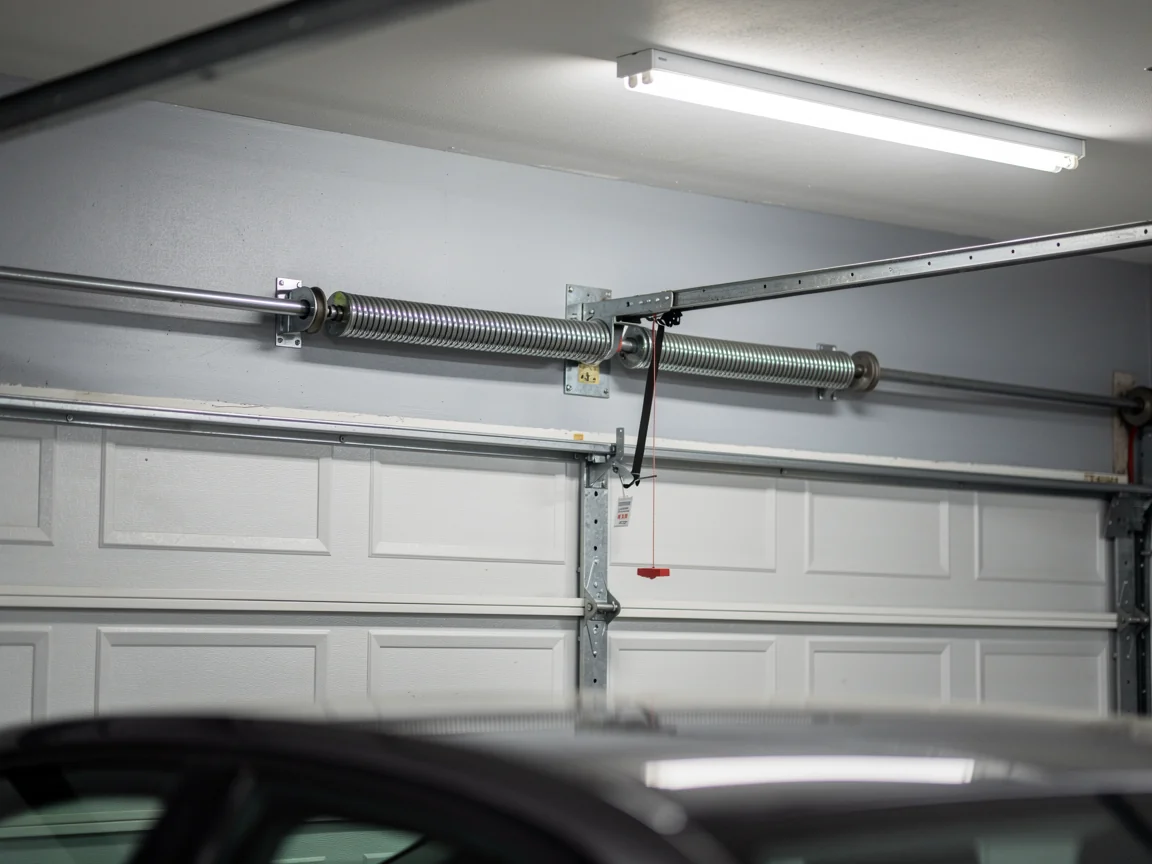
Because Guilford's housing clusters around that 1973 median build year, the parts we load for a Guilford call lean toward what an early steel sectional door actually used: extension springs in a couple of common lengths and wire gauges, the pulleys and cables that ride with them, and the safety cables that should be threaded through an extension spring but often aren't on a door this old.
Torsion conversion kits
We also carry torsion conversion kits - shaft, drum, cable, and a matched torsion spring sized to the door's weight - for the houses where the owner wants off extension springs for good. We don't stock every opener logic board or every original-manufacturer panel.
Brand-specific parts ordered
If a door needs a part specific to a brand that stopped making that model years ago, we order it, and that can mean a wait of a few days rather than a same-visit fix.
Standard stock limits
That's the honest limit on what showing up with a truck full of parts can do - we carry what fits most doors from this era, not what fits all of them. Rollers, hinges, and bottom brackets are standard stock regardless of door age, so those repairs usually happen in one visit no matter which part of Guilford you're in.
What the Fix Involves
On a 1973-era door, the job usually starts the same way: check whether the extension springs are stretched out, snapped, or just missing their safety cable, then check whether the track they ride on has been bent by someone backing into the door at some point over 50 years.
Corroded end brackets
If the springs are original, we're often not just replacing them - the hardware they're bolted to has usually corroded enough that we replace the end brackets too.
Center bearing plate install
For owners who want off extension springs entirely, the torsion conversion means removing the old track-mounted hardware, installing a center bearing plate and torsion shaft above the door, and setting a torsion spring to the door's exact weight. This takes longer than a straight spring swap - plan on it filling most of a service call rather than a quick in-and-out.
Flagging missing sensors
We also check the opener. A lot of original openers on houses from this era predate the photo-eye safety sensors required on anything sold today, so if yours doesn't have them, we flag it - not because it's an emergency, but because it's worth knowing.
The Symptom
The call we get most from this part of town is a door that's gotten heavy to lift by hand or that the opener strains against and sometimes reverses halfway up. On a house with original 1973-era hardware, that's almost always a stretched or broken extension spring, not the opener itself - the opener is just doing the job the spring used to do, and it's losing.
A second common one: the door shudders or binds a few inches off the floor. That's usually a bent track or a bottom roller that's worn enough to catch, both common on doors that have been opened and closed for five decades without the track ever being reset.
Less common but worth mentioning - a door that reverses the instant it touches the floor, with no obstruction in sight, which usually points to the opener's limit settings drifting over time rather than anything broken. We check that before replacing anything.
Questions
Common questions
Why does the age of my house matter for a garage door repair?
Because the hardware standard for garage doors in 1973, when most Guilford houses went up, isn't what's standard now. Extension springs along the track were common then; torsion springs overhead are the current standard. Knowing the build era tells us what we're likely dealing with before we even see the door.
Do you have a shop in Guilford?
No. We're based in Milford, about 20 miles out, and drive to Guilford for service calls. We don't operate a second location here, so we plan the parts we bring based on what you tell us is wrong before we head out.
Is it worth converting from extension springs to torsion springs?
If the door is original to a 1970s-era house and the extension springs have failed once, there's a decent case for converting - torsion springs last longer and don't carry the same risk if a cable snaps. It costs more than a straight spring swap, so it's your call, not a given.
How fast can you get to Guilford?
We don't quote a response time for Guilford specifically since it's the farthest edge of where we work from Milford. We can tell you the day's availability when you call, but we're not going to promise a window we can't back up.
Explore more
More Services in Guilford
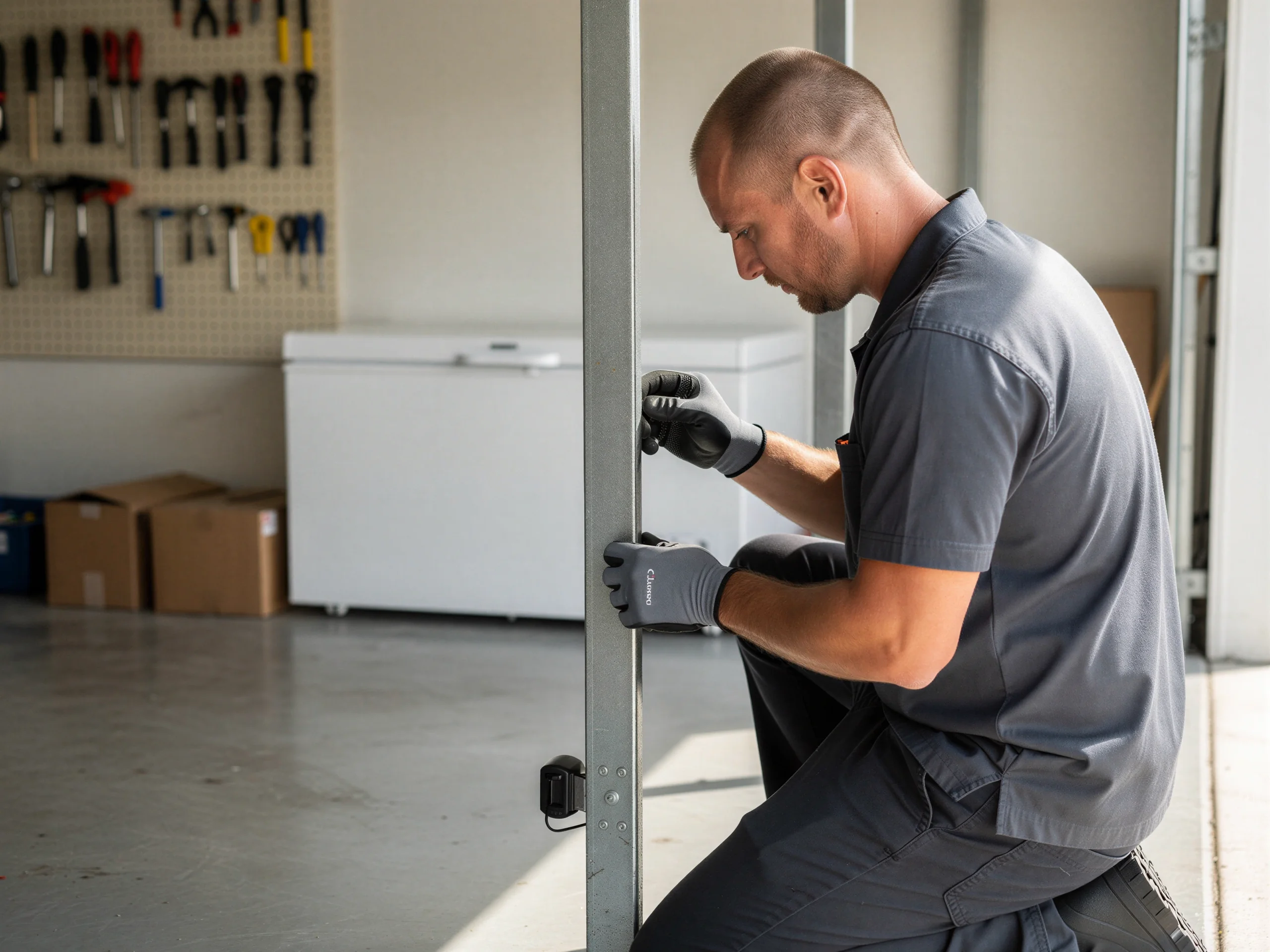
Garage Door Service
Garage door repair and installation in Guilford, CT, 20 miles from our Milford shop. Learn more →
Maintenance
Guilford's garage doors mostly date to 1973, slightly newer than Milford's average, which changes what a maintenance visit should check and replace first. Learn more →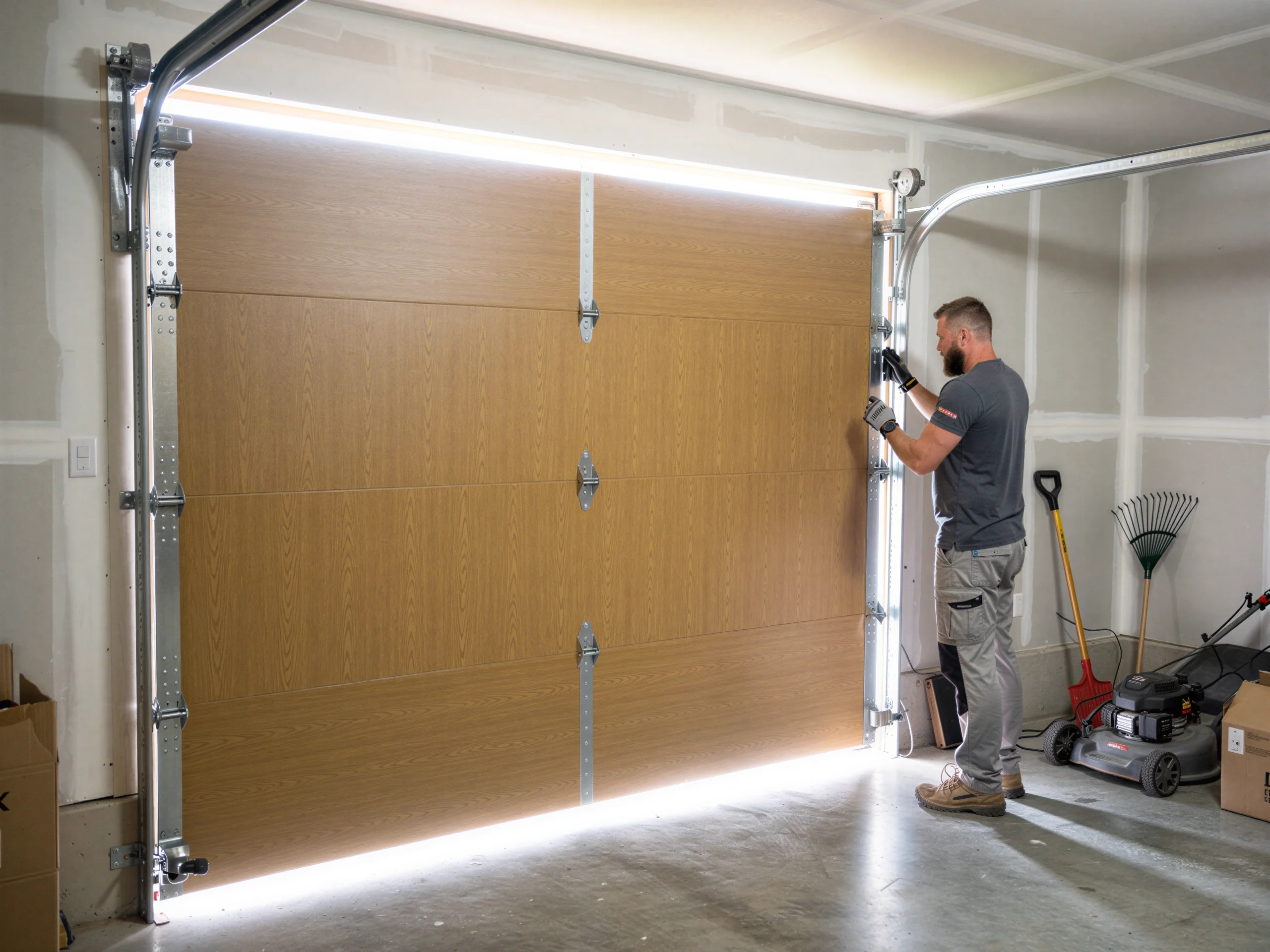
New Door Installation
Guilford's 8,770 households sit mostly in 1973-era houses; Milford Garage Door Pros installs cold-rated doors sized for those original openings, 20 miles out. Learn more →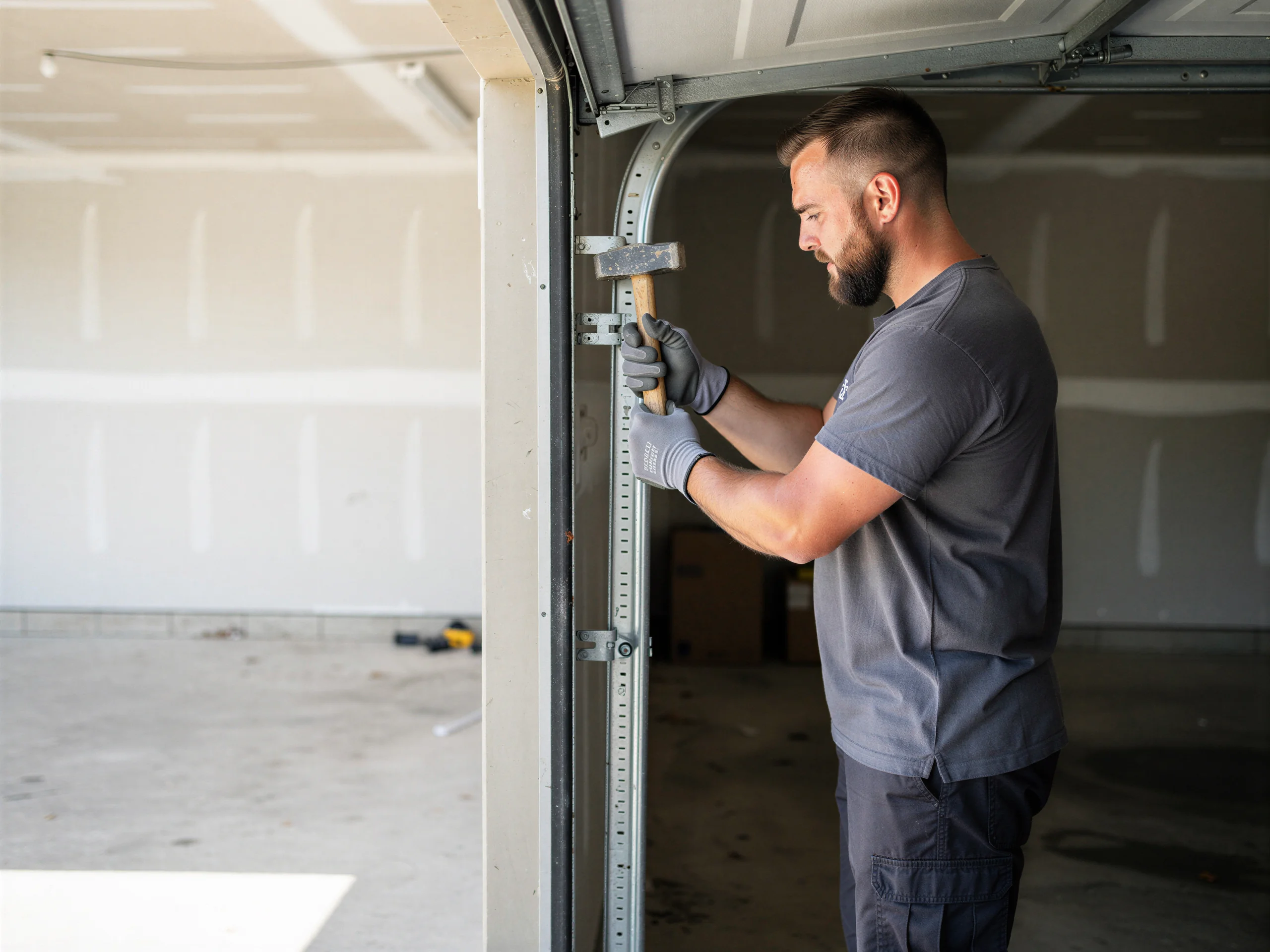
Off Track Repair
Guilford homes built around 1973 often run older track styles that bend or walk off their rollers. Learn more →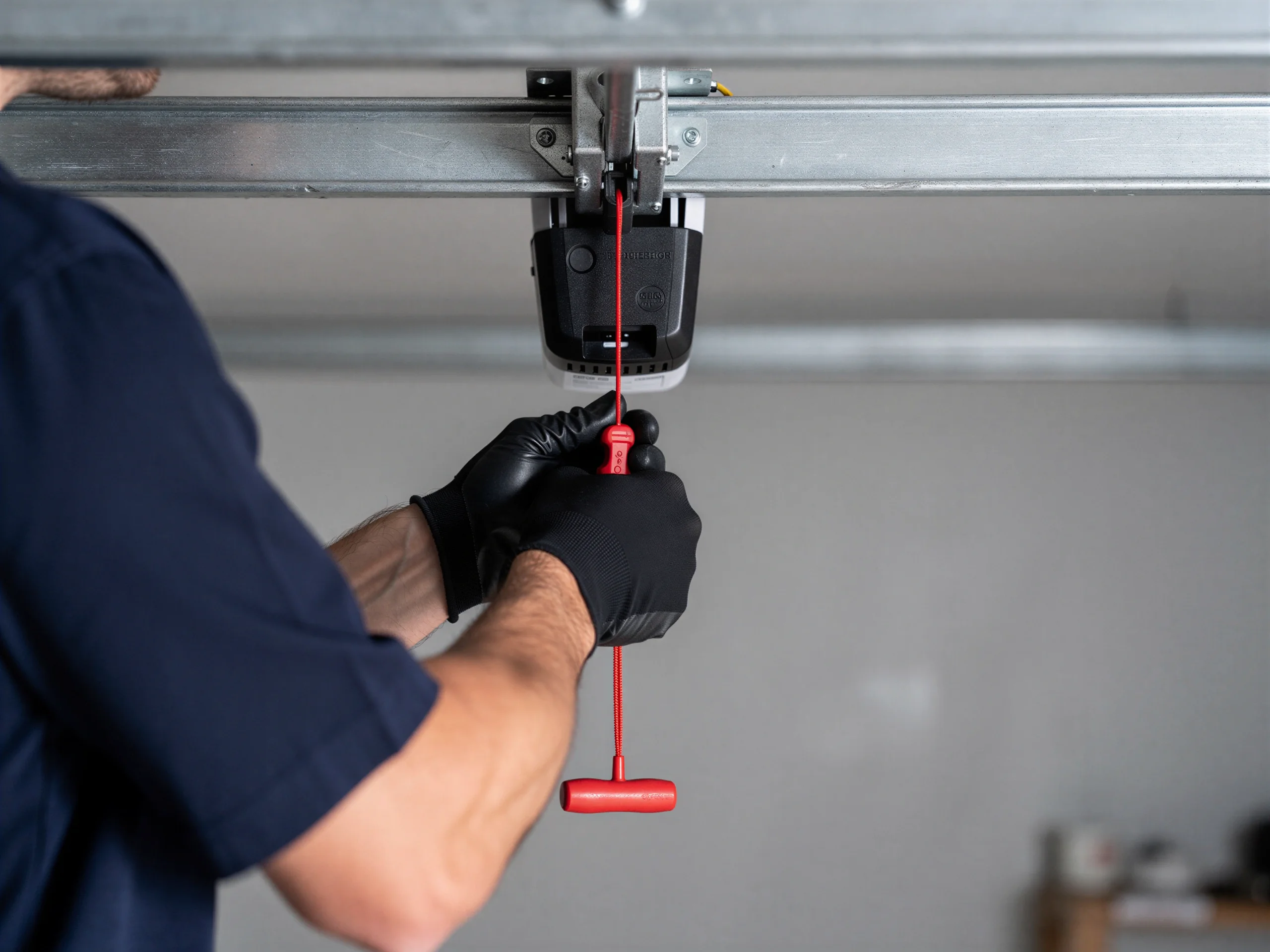
Opener Repair
Guilford homes built around 1973 often still run original chain-drive openers on steel track. Learn more →
Panel Replacement
Guilford homes built around 1973 carry steel panel doors that don't match today's stock sizes. Learn more →Ready when you are
Garage door trouble in Guilford?
Milford Garage Door Pros repairs and installs garage doors, springs and openers in Milford, CT and the surrounding area.