Stratford, Milford
Panel Replacement for Stratford's Older Garage Doors
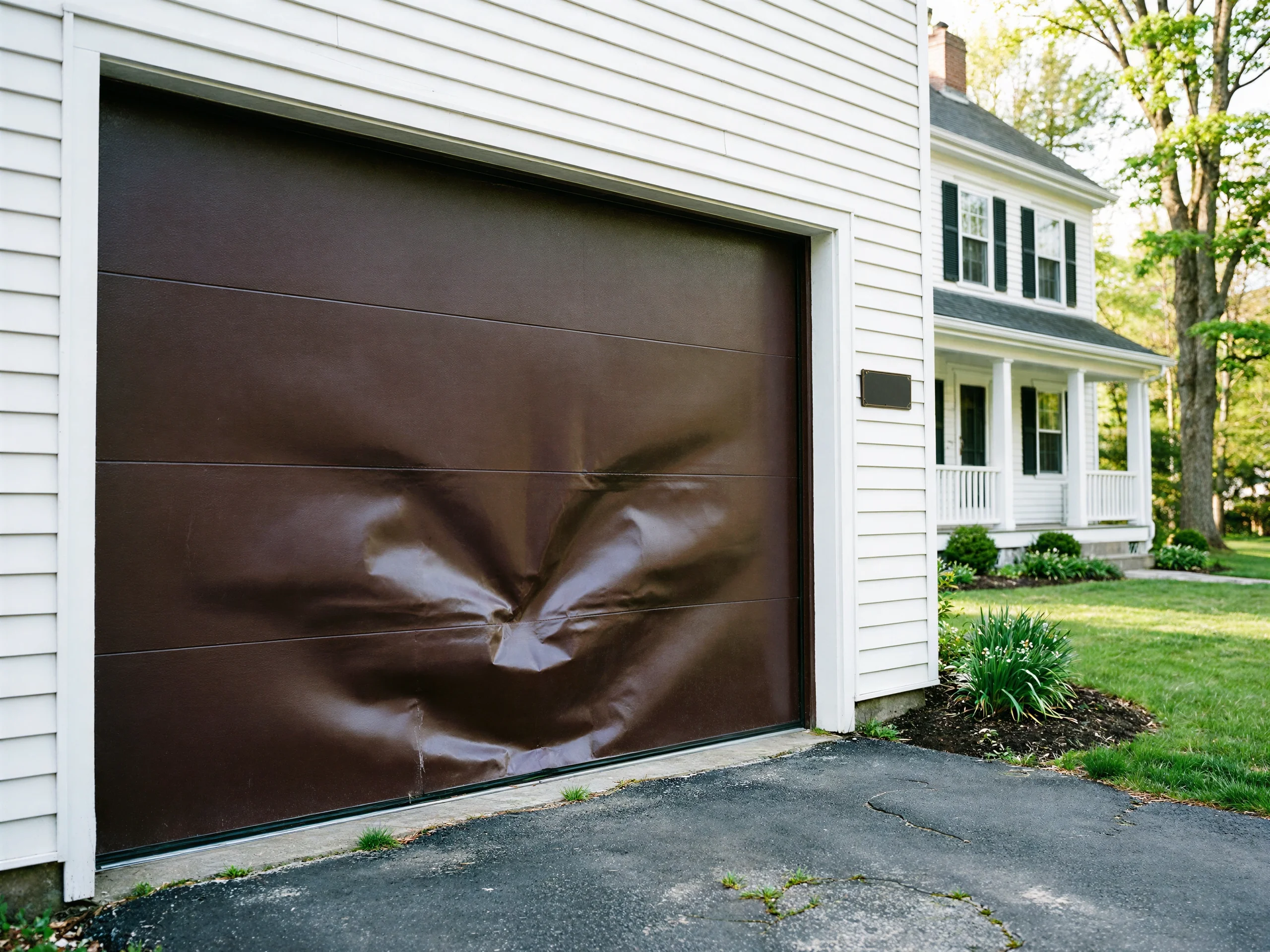
Panel replacement for Stratford's 1950s-era garage doors. Milford Garage Door Pros matches old panel runs and handles the cold-weather wear specific to this housing stock.
How Long It Takes
Stratford has 20,679 households, and a good share of those sit on streets built around 1957 - earlier than the median across our wider service area, which runs closer to 1971. That earlier build year matters for a panel job: a single dented or rusted panel on a house from that era often has to be matched to a run that the original manufacturer stopped making long ago, which is a different clock than swapping a panel on a 1980s door.
A straightforward single-panel swap on a door where we can source a matching or close-enough panel usually runs a few hours on site. Where the match isn't close - mismatched panel height, a discontinued groove profile, hardware that doesn't line up with current stock - the on-site time stretches because we're fitting rather than bolting. We come from Milford, four miles out, so travel time here isn't the variable. The panel itself is.
What You Pay
Stratford's median household income is $93,820, lower than the broader service area's $126,807, and we see that show up in which jobs people choose.
Partial panel swaps save money
A lot of Stratford calls are for single or double-panel replacement rather than a full door swap, because matching one or two panels on an older door costs less than replacing the whole section - as long as a matching panel can be found or reasonably approximated.
Discontinued panels cost more
Where we can't get a close match, the honest math changes: fabricating or special-ordering a one-off panel for a discontinued profile can run close to what a new door section costs, and at that point replacing the whole door often makes more financial sense than chasing an exact match. We'll tell you straight when that's the case rather than quote a custom panel job that isn't worth it.
The Complications
The area's overall housing stock runs mostly 1960s and 70s construction across the towns we work in, but Stratford's median build year of 1957 puts a lot of its doors on the early edge of that range. Earlier doors mean narrower panel widths, different track spacing, and hinge spacing that doesn't always match a panel pulled off a newer stock shelf.
The region sits in a cold, severe winter climate zone, and steel panels that age that long develop rust at the bottom edge first - the part that sits closest to snowmelt and road salt runoff in driveways. A rusted bottom panel is usually structurally fine everywhere else on the door, which is exactly the case where panel replacement beats a full door swap. The complication is finding a panel that was made for hardware this old, not the repair itself.
Can You Do This Yourself
Swapping a single panel sounds simple and sometimes is - unbolt the end hinges, slide the panel out, slide the new one in, rebolt.
Newer doors easier to DIY
On a newer door with current panel stock, a handy homeowner can do that safely. On a door built when Stratford's housing stock went up, the panel you're replacing might not be a current size, and getting it wrong means a door that doesn't sit flush, stresses the track, or won't seal against the cold.
No mismatched kits sold
We won't tell you it can't be done at home - some of it can. What we won't do is sell you a panel kit sized for a modern door and let you find out on install day that it doesn't fit 1950s hardware.
Why It Happens Here
Stratford's panels fail for reasons tied directly to how old the stock is. A house built around 1957 has had roughly seven decades of winters working on its garage door, and steel panels from that era weren't galvanized to the standard used today. Combine that with road salt spray in a cold-climate zone and the bottom panel is usually the first to go - rust eats through from the inside of the seam before it shows on the face.
Across the wider area, most housing dates to the 1960s and 70s, which is a slightly different failure pattern - later panels, different gauge steel, less rust but more warping from sun-baked aluminum trim. Stratford's earlier build years push it toward the rust-first pattern rather than the warp-first one. That's the local detail that decides whether a panel job here is a quick swap or a hunt for an obsolete part.
Questions
Common questions
Can you match a panel on an older Stratford garage door?
Often, yes, though it depends on how old the door is and whether the manufacturer still makes that profile. Stratford's housing runs older on average than the rest of our service area, so matches aren't guaranteed. If we can't get a close match, we'll tell you before you pay for a panel that won't fit right.
Why does my bottom panel rust out first?
In this cold-climate region, road salt and snowmelt sit against the bottom of the door more than anywhere else on the panel. On older steel that wasn't galvanized to today's standard, that moisture works through the seam from the inside, so the bottom panel usually fails years before the rest of the door shows any wear.
Is it cheaper to replace one panel or the whole door?
If we can source a matching panel, one or two panels usually costs less than a full door. If your door's panel profile is discontinued and has to be custom-made, the price can get close to a new door section, and at that point replacing the whole door is usually the better call.
Explore more
More Services in Stratford
Cable Repair
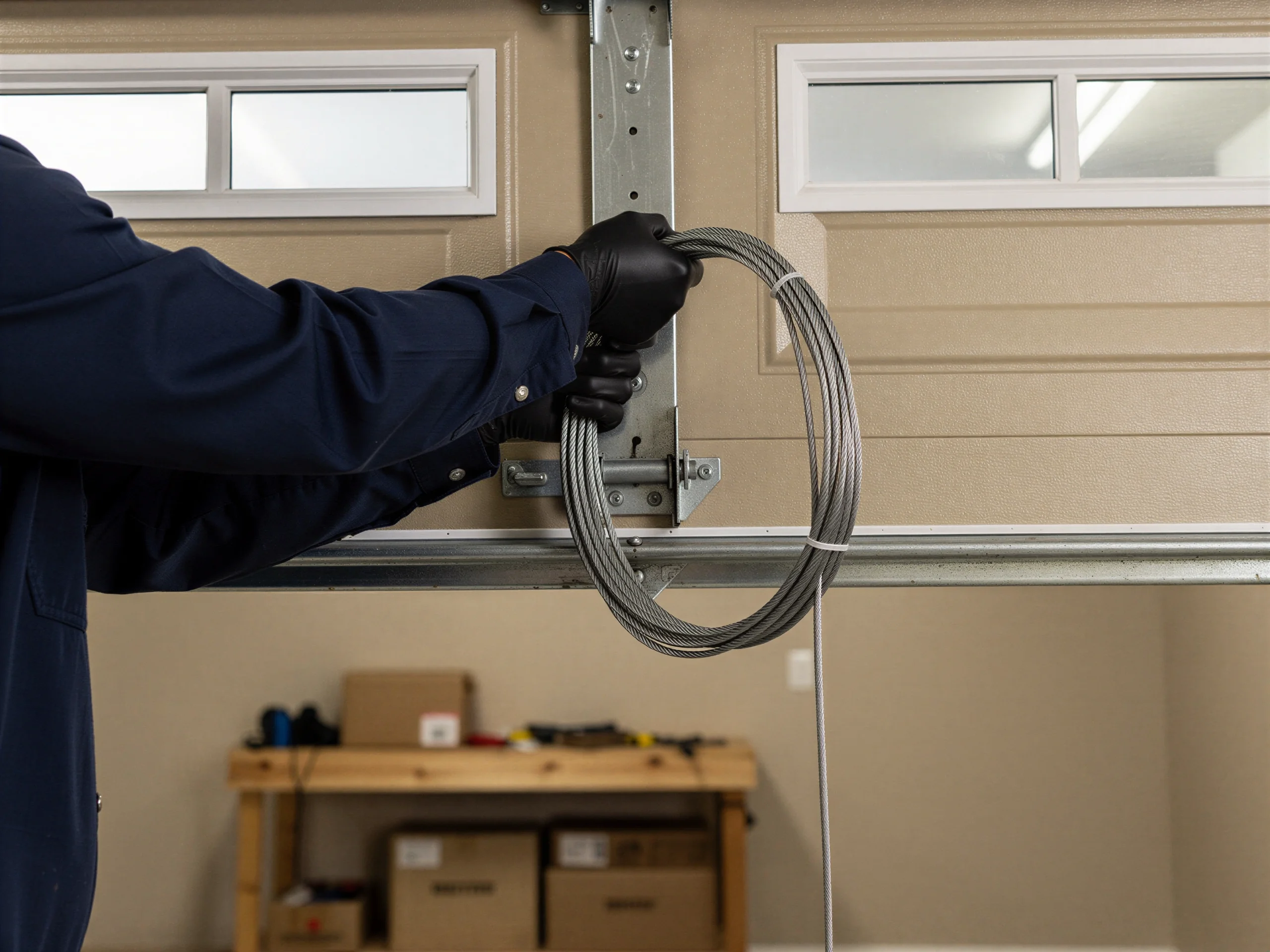
Cable repair for Stratford homes built mostly before 1971, where original drums and fittings from the 1950s and 60s are still common. Learn more →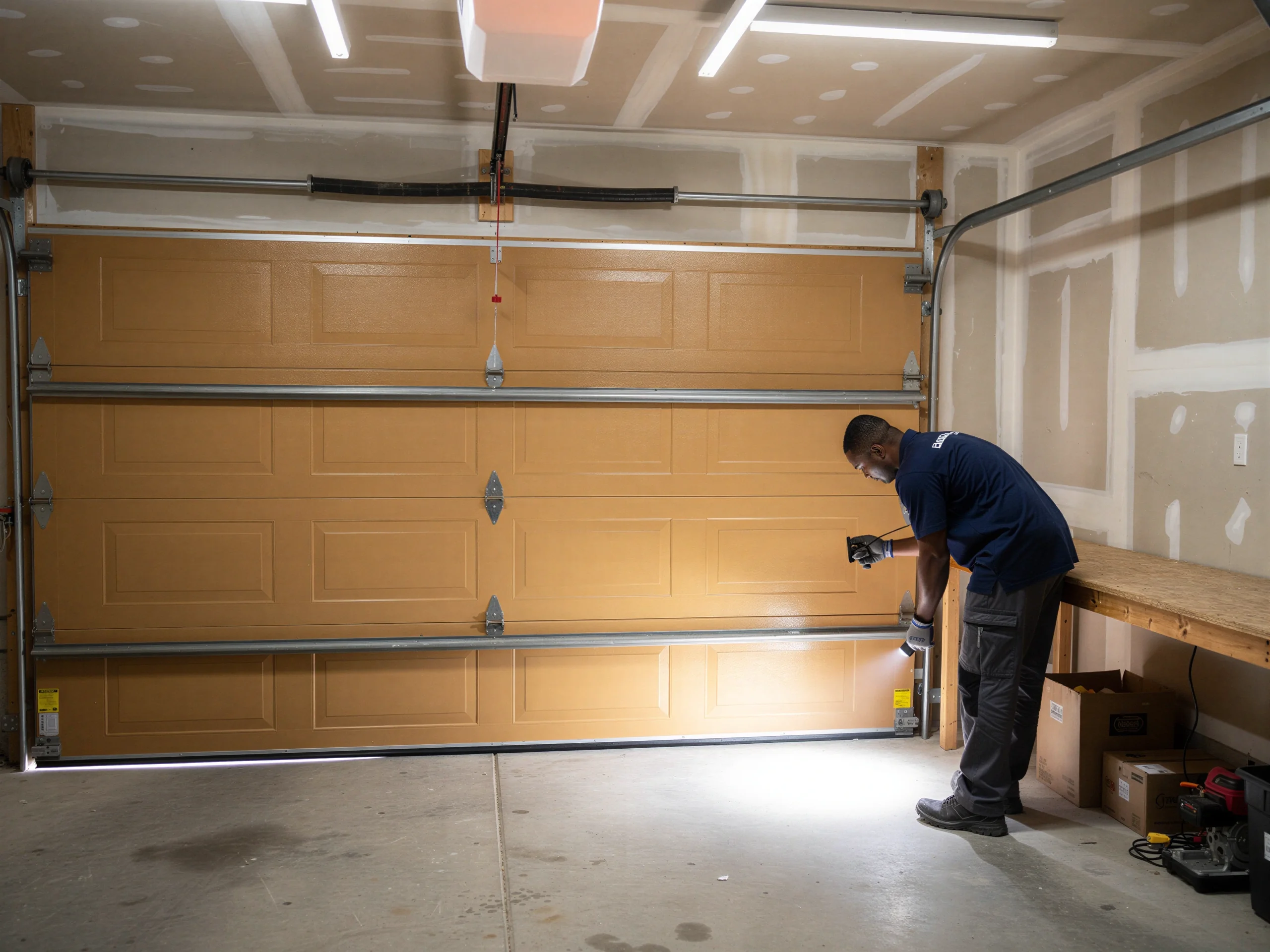
Garage Door Repair
Stratford homes run older than the Milford median, with 1950s hardware still in a lot of garages. Learn more →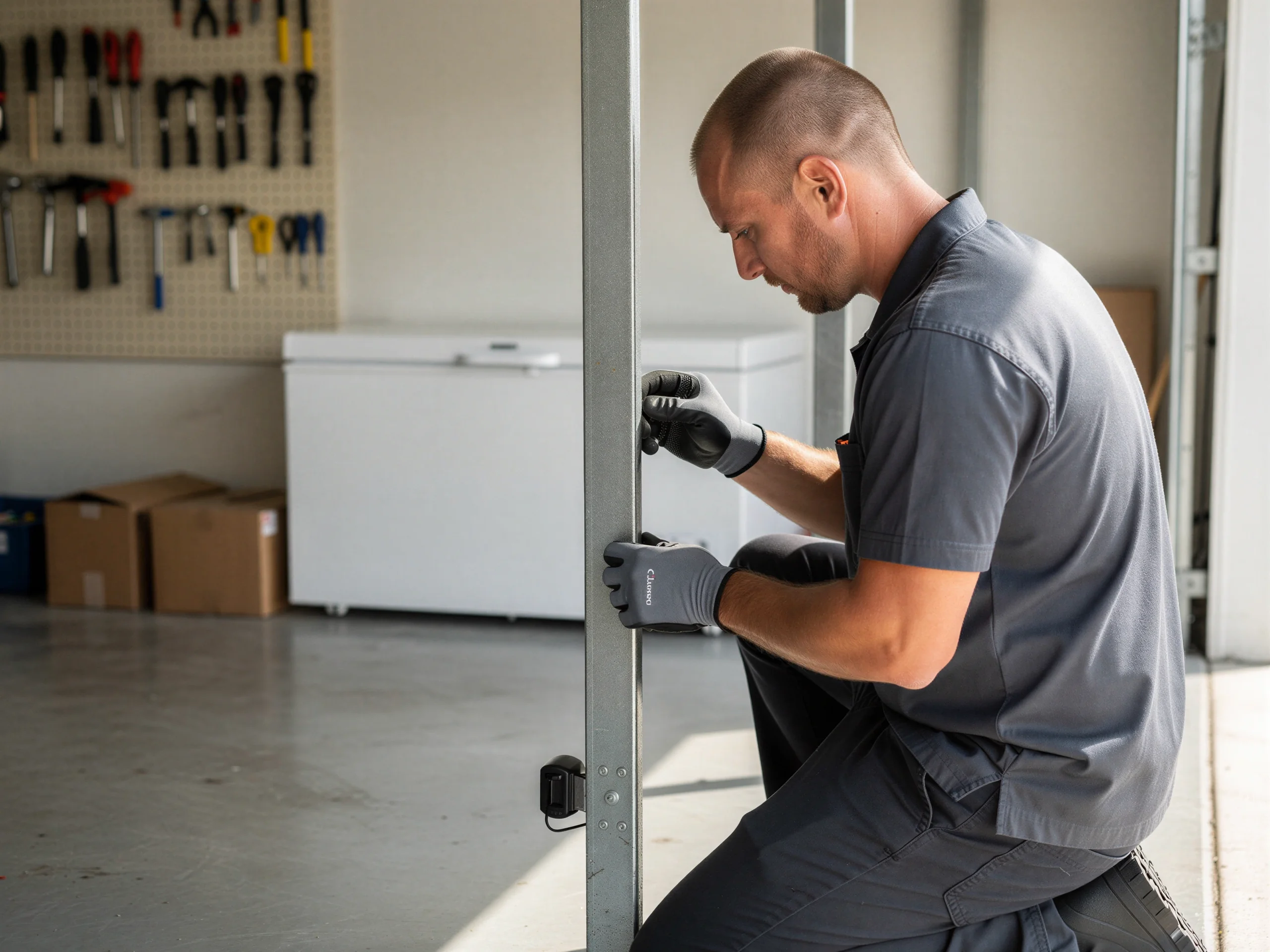
Garage Door Service
Stratford homes mostly went up in 1957, well before Milford's 1971 median - older torsion setups mean different parts and different failure points. Learn more →
Maintenance
Stratford's garage doors mostly date to the late 1950s - steel panels and torsion hardware now past 65 years old. Learn more →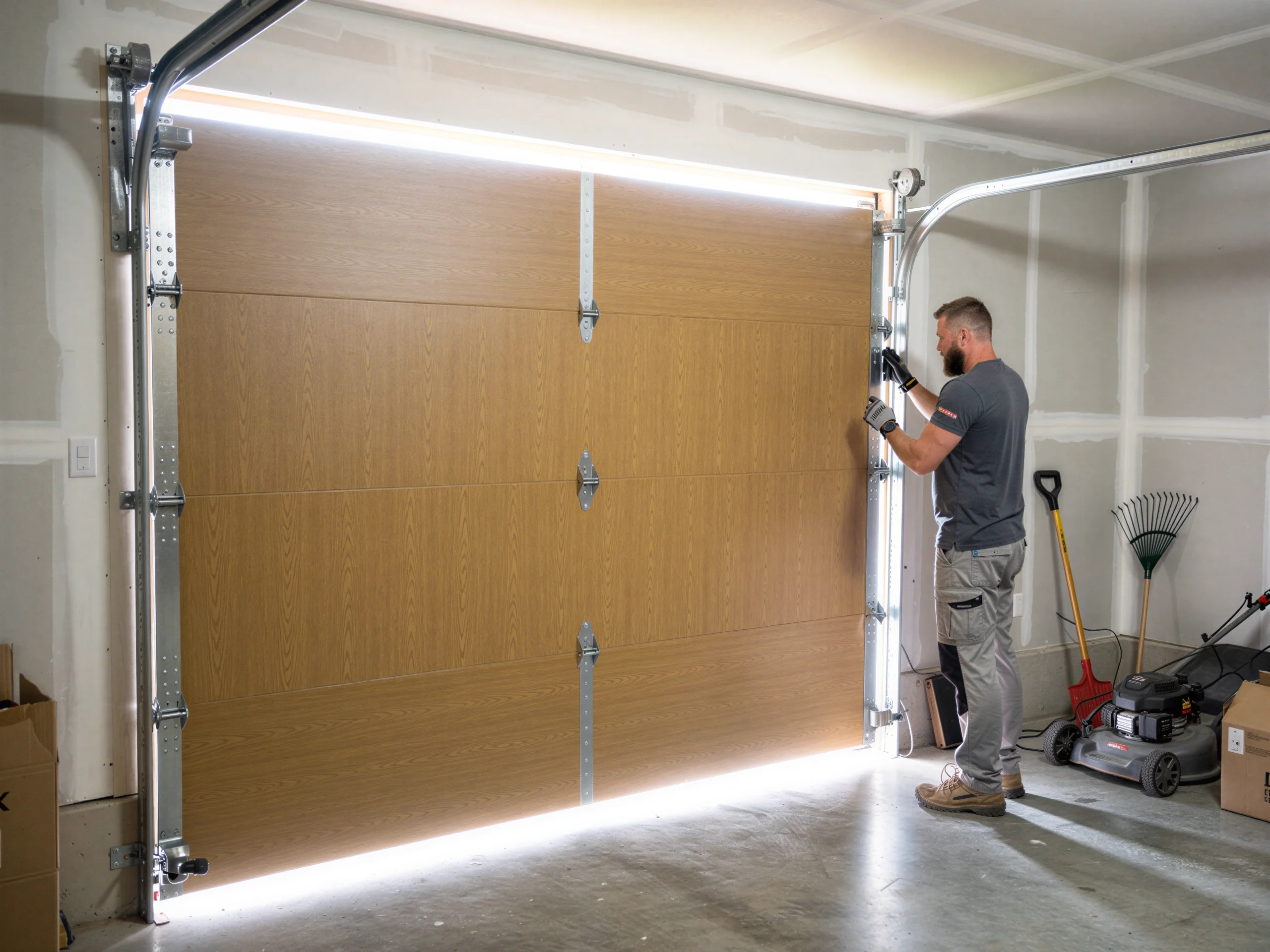
New Door Installation
Stratford's housing dates to 1957 on average, older than the service area norm, which means openings and track widths that current standard doors often don't fit without adjustment. Learn more →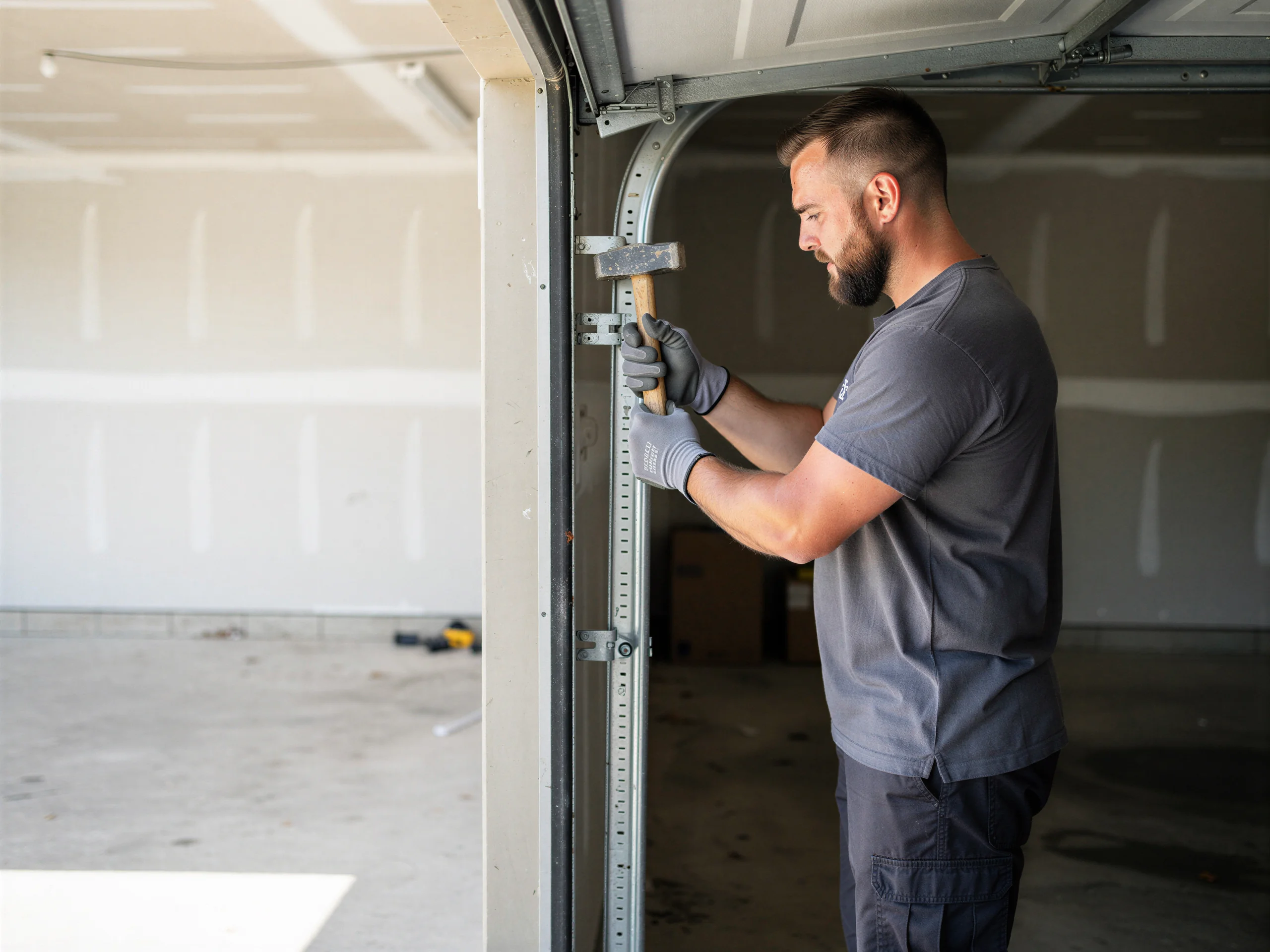
Off Track Repair
Stratford homes built around 1957 often ran steel track on loose jamb brackets. Learn more →
Opener Repair
Opener repair for Stratford's 1950s-60s garage stock, serving the 4-mile run from Milford. Learn more →Ready when you are
Cracked or dented door panel in Stratford?
Milford Garage Door Pros repairs and installs garage doors, springs and openers in Milford, CT and the surrounding area.